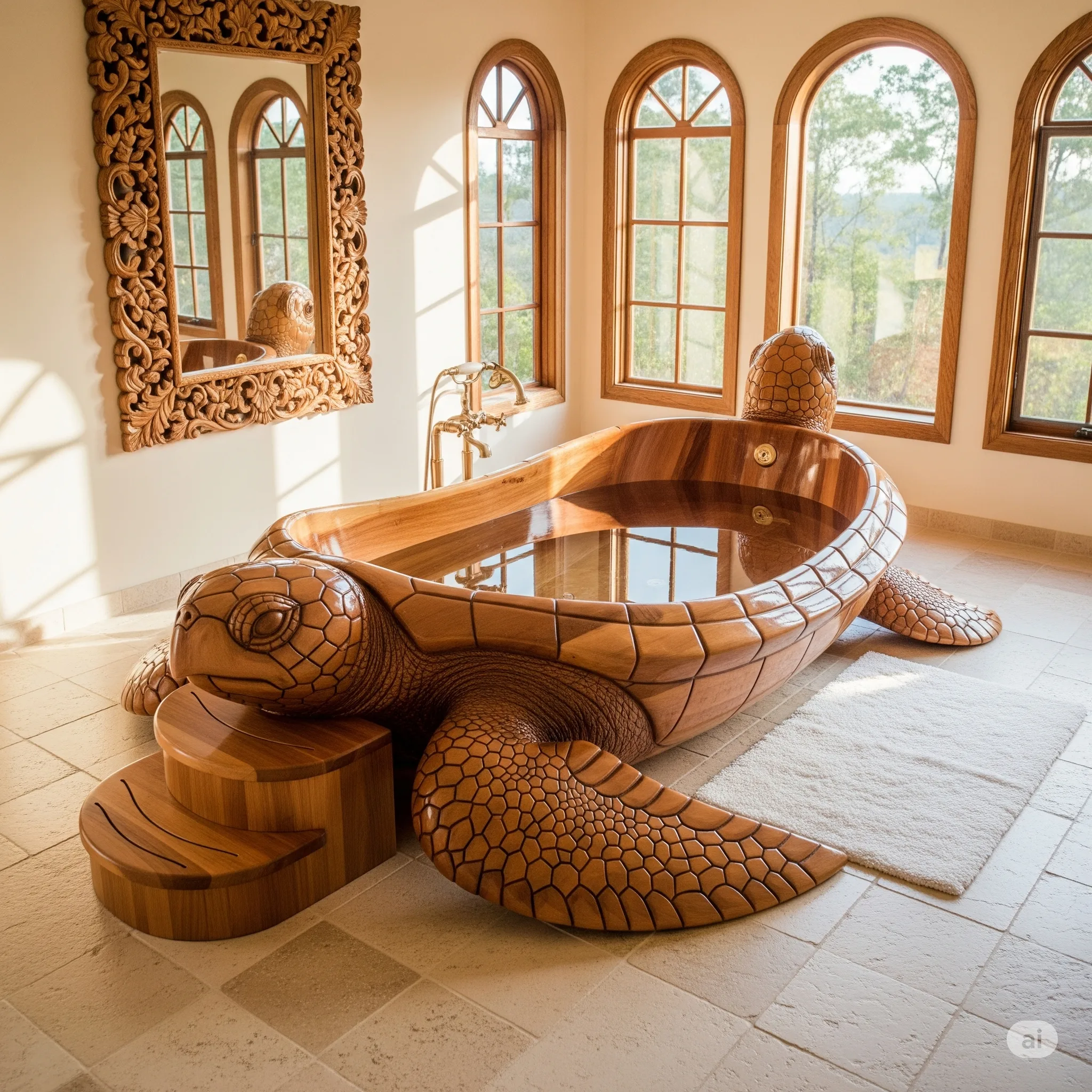
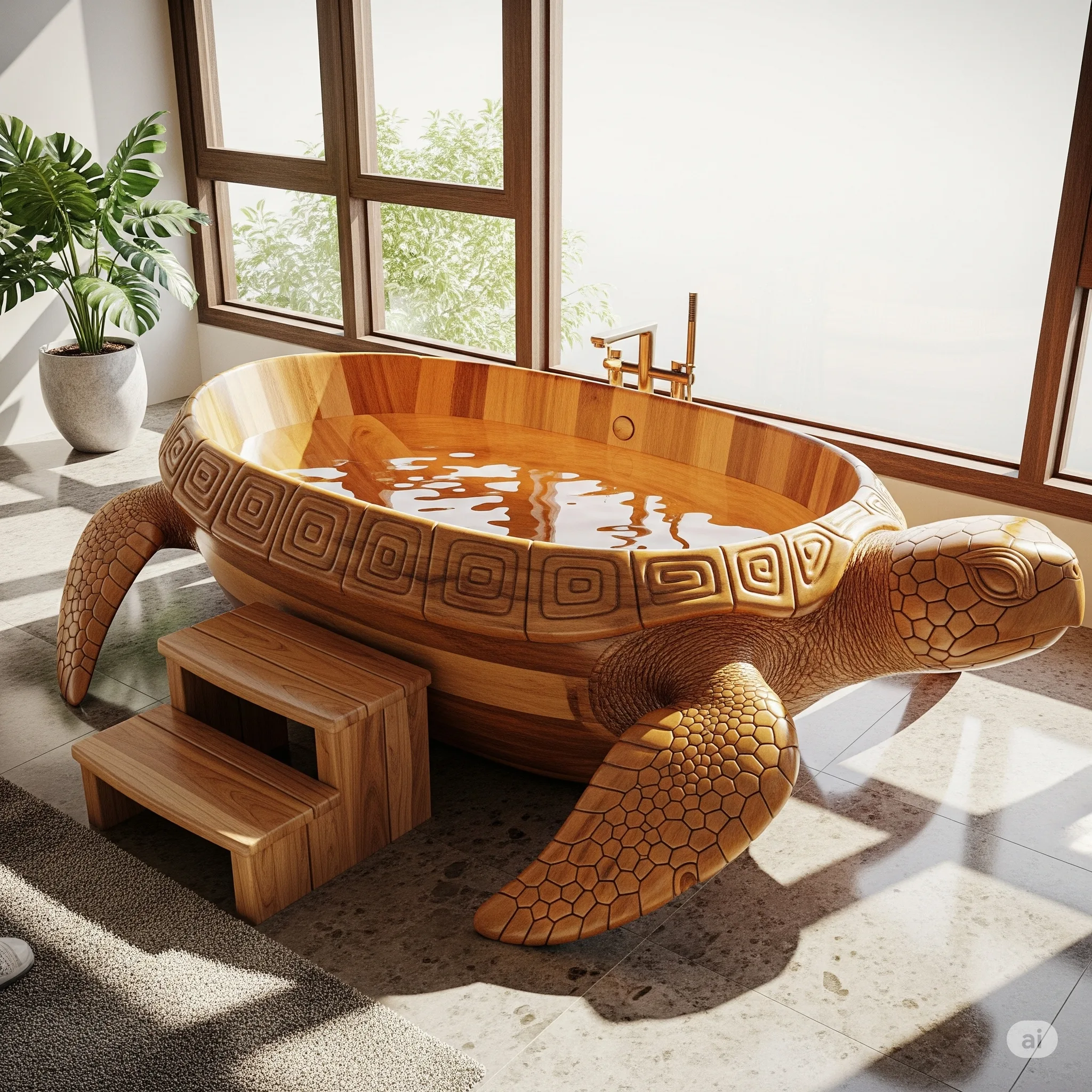
A Spa Retreat in Turtle Form
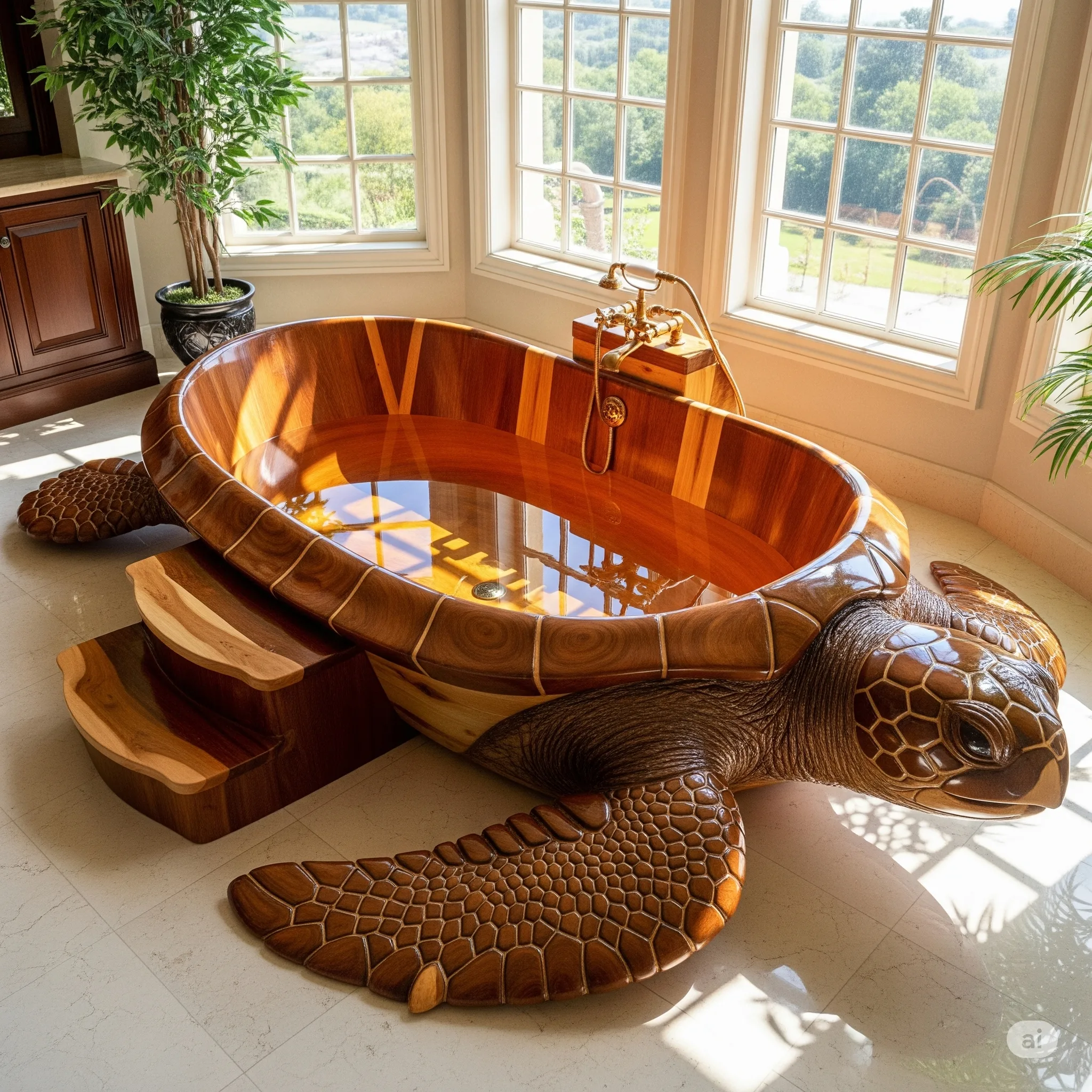
A wooden turtle bathtub is more than a vessel for bathing; it is a deliberate convergence of craft, symbolism, and domestic ritual. Choosing a wooden turtle bathtub signals an invitation to slow down, to treat bathing as a restorative ceremony rather than a hurried task. The image of a turtle—slow, steady, protected by its shell—resonates across cultures as an emblem of longevity, shelter, and measured movement. When translated into a bathtub, that shell becomes a container for warmth, buoyancy, and privacy: a place where the body is gently cradled and the senses reoriented. In this article I will explore why wooden turtle bathtubs are the perfect and unique choice for homeowners, designers, spas, and anyone seeking to fuse aesthetics, wellbeing, and craftsmanship. I will cover cultural meaning, design types, materials and construction, engineering and safety, maintenance and care, placement and styling, sustainability, costs, commissioning, and practical buying advice. Read on if you are considering a bathtub that behaves like a piece of living furniture and a ritual object all at once.
The Symbolic Meaning of the Turtle in Design
The turtle carries layered meanings in myth and design: endurance, protection, and patient wisdom. In many traditions the turtle is a cosmic carrier, its shell a microcosm that shelters life. Translating this into a bathtub shapes the bathing moment into more than hygiene—into an act of protection and regeneration. Wooden turtle bathtubs do this literally through rounded, enveloping forms and tactile wood surfaces that feel human-warm rather than cold. They become metaphors for safety: entering a turtle-shaped tub is like stepping into a pocket of calm where the world’s rhythms slow and the breath deepens. Designers who use turtle imagery are not always aiming for whimsy; often they are purposefully invoking a psychological shift that encourages longer, more attentive baths and deeper mental rest.
Design Typologies: How Turtle Motifs Translate into Bathtubs
Wooden turtle bathtubs come in several distinct typologies, each with practical and aesthetic consequences. The simplest is the staved, barrel-inspired tub whose exterior profile is shaped and finished to suggest a turtle’s rounded shell while remaining functionally a conventional tub. The carved monolith is a sculptural piece: laminated blanks or thick planks are hollowed to create a seamless, organic shell with integrated seating contours. Laminated veneer shells offer thin, elegant curves and lighter weight, suitable where mass would be problematic. Hybrid shells pair an inner watertight liner (stainless, copper, or acrylic) with an outer timber cladding shaped like a shell—this decouples structural water containment from the wood’s aesthetic role and reduces moisture risk. Outdoor variants include larger, round hot-tub forms with external stoves or heaters and deck integrations that turn the tub into a landscape object. Finally, modular turtle tubs are composed of panels that can be removed or replaced for maintenance, useful in settings where serviceability matters. Each typology answers different needs—accessibility, portability, visual focus, or longevity—and the right choice depends on context and intent.
Materials: Timber Choices That Balance Beauty and Durability
Selecting wood for a wooden turtle bathtub is a matter of balancing grain, durability, and moisture resistance. Teak is a favored species for this work because of its natural oils, dimensional stability, and resistance to rot; it also rewards polishing and develops a rich patina over time. Western red cedar and cedar varieties are aromatic, lightweight, and naturally decay-resistant, making them excellent for outdoor or semi-outdoor installations. Hinoki (Japanese cypress) carries cultural resonance in ofuro traditions, offering a soft aromatic character and a buttery feel under the hand. Hardwoods like walnut and mahogany provide luxurious color and grain depth but must be managed carefully for moisture expansion; engineered cores and robust finishes are critical with these species. For structural members and hidden substrates, marine-grade plywood and laminated beams give predictable behavior across humidity cycles. Hardware should be stainless or bronze, and adhesives must be marine-grade to prevent bond failure. Ultimately, timber choice affects look, maintenance rhythm, and environmental impact—so sourcing and specification are as important as form.
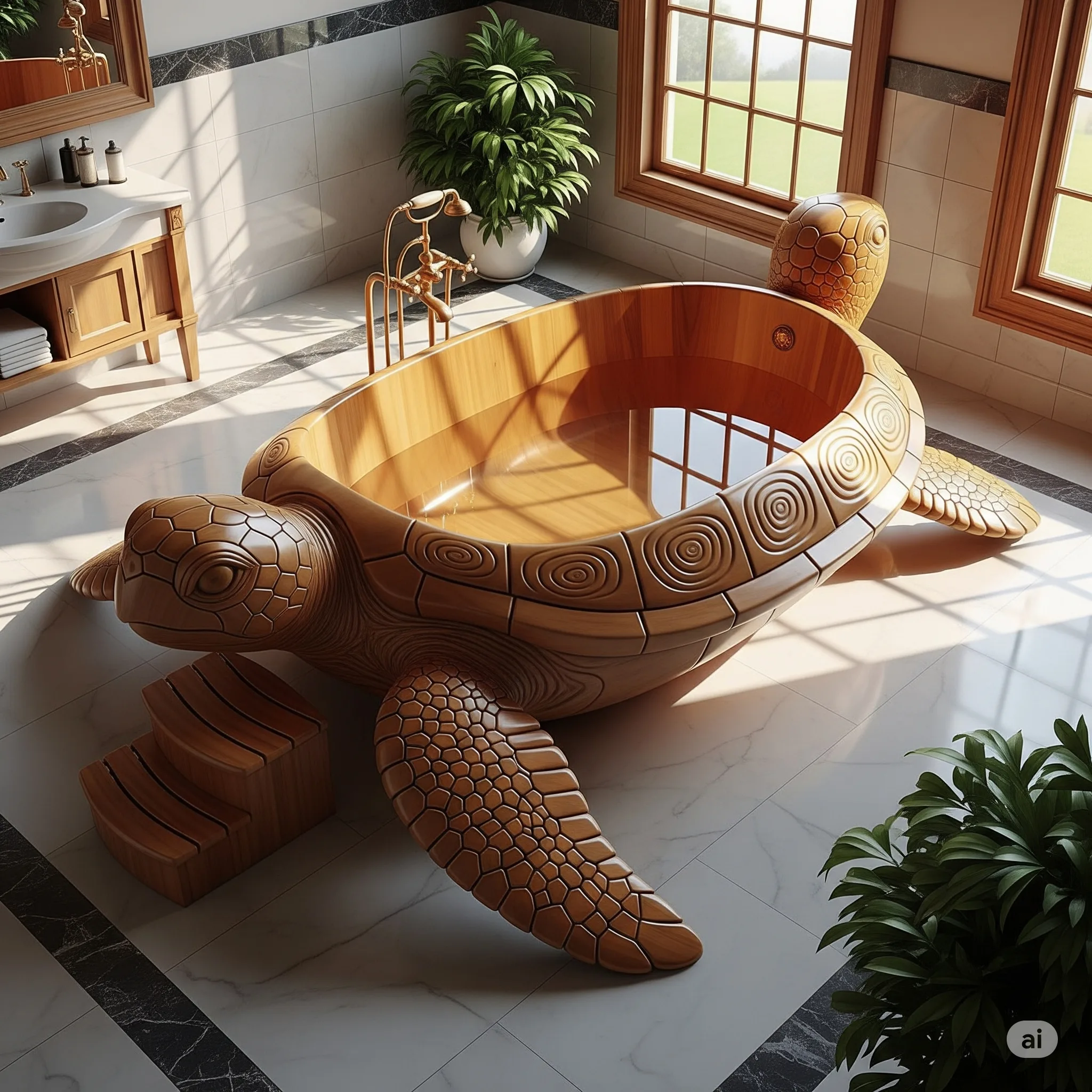
Construction Techniques: Coopering, Lamination, and Hybrid Strategies
The making of a wooden turtle bathtub draws on coopering, boatbuilding, and fine furniture craft. In a staved tub, individual curved staves are beveled and clamped together, then banded internally or externally so that the wood can swell slightly when first filled—forming a watertight seal. Steam bending and lamination permit sweeping curves without the waste of thick solids; thin veneers are glued over a mold and compressed to create monocoque shells that are strong and light. For carved forms, laminated blanks are glued from multiple boards and hollowed with CNC routing or hand tools; this process preserves grain continuity and minimizes explosive splitting. Hybrid builds use an inner shell (glass, acrylic, or metal) that holds water while the outer wooden shell is fitted around it; this simplifies waterproofing and permits more aggressive surface treatments on the timber. Attention to joint design, expansion gaps, and selective reinforcement reduces stress and prolongs life. The techniques chosen set the tub’s aesthetic vocabulary and the required maintenance regime.
Tanking and Waterproofing: The Technical Backbone
Water is the defining load of a bathtub, and waterproofing is the technical backbone of any wooden bathtub project. A common best practice for wooden turtle bathtubs is to use a double-containment strategy: an inner watertight liner forms the primary barrier while an external wooden shell acts as cladding and insulation. Inner liners can be seamless molded acrylic, welded stainless steel, or copper panelling; each has trade-offs—acrylic is lightweight and warm, stainless is durable and hygienic, copper develops a patina. Seals and joints should use marine-grade silicone or epoxy; bulkheads where plumbing penetrates must be backed with plates and compression fittings to avoid stress and micro-leaks. For solid-wood shells, multiple thin coats of penetrating oil (tung, polymer-modified oils) followed by a high-performance marine varnish provide a balance of breathability and protection. However, varnishes alone are not fail-safe; designers typically include drip trays, perimeter gutters, or secondary containment channels that route accidental seepage to a drain. Leak detectors and automatic shut-off valves can be integrated as insurance in a high-value installation.
Structural Engineering: Floor Loads and Support Strategies
Filled tubs are heavy—the weight of water alone is approximately 8.34 pounds per gallon. A modest wooden turtle bathtub holding 150 gallons will exert more than 1,200 pounds of static load, and that number rises further with rock, people, and accessories. For ground-floor installations this weight is manageable with a properly designed support platform. On upper floors, structural reinforcement is mandatory: joist sistering, steel channel beams, or dedicated load-bearing pads that transfer loads to walls or foundation elements are common strategies. Many builders create a steel subframe that sits under the tub and distributes weight over multiple joists or posts, or they engineer a concrete pad to carry point loads. Adjustable leveling feet allow site tolerance correction. In seismic zones, straps and lateral bracing secure the tub and cut down risk of sliding or puncture. Always consult a structural engineer early in the design process; failure to do so risks expensive retrofits or—even worse—floor or framing damage.
Plumbing, Heating, and Filtration: Integrating Utilities
A wooden turtle bathtub looks calm and organic, but beneath the surface lies a necessary infrastructure. Drainage must be generous and readily serviceable; use oversize stainless flanges and removable strainers to prevent clogging. Heating options vary: electric in-line heaters, on-demand heat-exchange systems connected to a boiler, wood-fired stoves with heat exchangers for off-grid charm, or solar-assisted warmers for sustainable households. Wood-fired systems create a romantic, tactile ritual, but they require chimneys, safety clearances, and careful water temperature control. Filtration is essential if herbs, oils, or botanical infusions are used frequently; simple removable filters or integrated sediment traps keep drain lines clear. For spa installations, consider recirculating systems with UV sterilizers and ozone modules to reduce chemical reliance while meeting hygiene needs. Plumbing should route service access to an adjacent cabinet or service chase so filters, pumps, and valves can be inspected and replaced without disturbing the wooden shell.
Safety Considerations: Codes, Electricals, and Child Safety
Safety is non-negotiable. Electrical work must comply with local codes: GFCI-protected circuits, sealed junction boxes away from wet areas, and safe routing of low-voltage lighting. If the tub includes in-line heaters or pumps, ensure their circuits are correctly sized and fused. Drain ventilation prevents gurgling and trap siphonage; overflow drains sized by code reduce the risk of accidental flooding. For households with children, fitted covers or lockable lids can provide an extra layer of safety; non-slip steps, integrated handholds, and graded entry surfaces minimize slips when entering or exiting the tub. For staff-operated spa tubs, signage about water temperature, time limits, and contraindications for certain medical conditions is both ethical and legally advisable. Insurance implications are real: disclose the installation to your insurer and obtain any special endorsements that cover large water fixtures.
Acoustic and Light Design: Creating Ambience Without Disruption
A wooden turtle bathtub is often a sensory anchor: it should produce calm, not mechanical noise. Pumps and blowers are mounted on vibration-damping mounts in separate enclosures or closets; flexible hoses and soft couplings reduce structure-borne noise transmitted into wood. Lighting design is a key part of the bathing experience: soft, warm LEDs recessed under the rim or hidden behind translucent panels produce an indirect glow that highlights the shell’s curves. Programmable lighting allows daytime “sunrise” scenes and subdued “moonlight” modes that preserve sleep cycles. For open-plan or bedroom suites, light levels must be tuned to avoid disrupting sleep; warm-spectrum LEDs and slow ramp-down schedules minimize melatonin interference. Soundscaping—subtle running-water audio or muted nature tracks—can enhance relaxation, but any motor or pump noise should be quieter than these soundtracks to avoid cognitive dissonance.
Finishes and Tactility: How Wood Feels in the Bath
Part of the appeal of wooden turtle bathtubs is tactility. Unlike porcelain, wood feels warm underhand and invites touch. Finishes are chosen to preserve that hand: penetrating oils maintain grain visibility and warmth; satin varnishes protect but avoid artificial gloss. On surfaces that contact skin, choose finishes that are non-toxic and certified for human contact. For outer surfaces exposed to steam and splashing, higher-build marine varnishes provide robust protection. Many owners prefer an interior liner for water contact but leave some timber edges unsealed to provide a soft touch. The tactile experience is central to the concept: your hands rest on wood, your knees meet timber rims, and the smell of the wood—if using aromatic species like cedar or hinoki—complements the sensory design.
Maintenance and Longevity: Practical Care for Wooden Tubs
Maintenance expectations must be realistic. A well-built wooden turtle bathtub can last for decades with proper care, but it demands attention. Regular rinsing and drying of rims prevents salt or residue buildup. For wood-fired systems, ash management and chimney cleaning are periodic tasks. Finish reapplication schedules depend on species and finish choices—penetrating oils may require annual or biannual refreshes, while high-performance varnishes may hold for several years. Liners and seals should be inspected annually; silicone joints are often the first service item. Seasonal considerations for outdoor tubs include winterization: draining systems, removing pumps, and storing electronics. Service-friendly design—removable access panels and labeled plumbing—reduces the cost and hassle of regular maintenance. For those who prefer lower upkeep, hybrid tubs with internal liners and minimal exposed wood reduce maintenance while retaining much of the tactile charm.
Sustainability and Responsible Sourcing
Sustainability matters. Choose FSC-certified timber or reclaimed wood to reduce environmental impact. Engineered veneers over stable cores can minimize demand for large-dimension solid timbers while offering excellent durability. For heating, prefer efficient wood stoves, heat recovery, and solar preheat where feasible. Consider low-VOC finishes and water-based sealants to reduce embodied chemical load. When sourcing equipment—pumps, heaters, filters—seek energy-efficient models with long warranties to reduce replacement frequency. Finally, plan for repair and reuse: design the tub so panels can be swapped and the liner replaced, avoiding an all-or-nothing disposal at the end of life.
Aesthetic Integration: Styling the Turtle Tub into Interiors and Outdoors
Styling a wooden turtle bathtub is an exercise in restraint and context. In a minimalist suite, a walnut or teak shell reads as sculptural warmth against stone floors and neutral linen. In a rustic cabin, cedar-clad tubs with iron banding and hand-forged steps feel authentic and rooted. Coastal sites benefit from lighter-tone timbers and less glossy finishes that harmonize with sun and salt. Lighting choices, tile surrounds, and accessory materials—natural stone, hammered brass fixtures, woven baskets—should support the tub’s narrative. Surrounding millwork and cabinetry can echo shell curves for cohesion, or the tub can be staged as a solitary focus, with simple furnishings to avoid visual competition. Outdoor installations integrate decking, native plantings, and sheltered pergolas that let soaking happen in privacy and weatherproof comfort.
Placement and Use Cases: Where Turtle Tubs Shine
Wooden turtle bathtubs excel in private suites where ceremony and intimacy matter: master bathrooms, guest suites, honeymoon villas, boutique hotel rooms, and spa treatment rooms. They are equally beloved in garden pavilions and retreats, where open-air soaking connects the bather to weather cycles and seasons. In hospitality, turtle tubs become signature elements that define a brand’s offering—guests remember the tactile warmth and the ritual of soaking. For homeowners, the tub becomes a center of ritual: weekend soaks, aromatherapy practices, and quiet reading sessions. Size determines use: large, shallow round tubs invite soaking with multiple people or stretching out, while deeper, narrower turtle forms support seated immersion ideal for single-person ritual.
Costs, Commissioning, and Value
Budgeting depends on scale and finish. A modest hybrid turtle tub with liner and timber cladding can begin in the low thousands; handcrafted monolithic carved pieces with high-end species, embedded heating systems, and bespoke finishes can move into five figures. Installation incurs engineering and plumbing costs; second-floor installs carry premium structural fees. For hospitality clients, the tub’s guest appeal and resale value often justify the investment. For homebuyers, the tub is as much an experience purchase as a fixture—its value is realized through daily use and the meditative quality it brings to life.
Commissioning Process: From Brief to Installation
Commissioning a wooden turtle bathtub calls for collaboration. Begin with a design brief that outlines size, heating method, species preference, finish, access needs, and maintenance tolerance. Engage a craftsman experienced in wet-craft furniture or a specialized tub builder; involve a structural engineer and licensed plumber early. Expect design sketches, 3D renders, material samples, and a written maintenance plan. Site visits, mockups, or scale models help refine ergonomics and sightlines. Installation requires coordination: plumbing, electrical, structural reinforcement, and final finishing must be scheduled to minimize disruption. A well-managed project includes clear warranties on the woodwork and on mechanical components.
Customization and Personalization
One of the joys of wooden turtle bathtubs is their custom potential. Inlays, carved motifs, inlaid shell patterns, and brass banding provide personal or cultural signatures. Integrated shelves for aromatics, embedded reading lights, or a built-in spittoon for vineyard-inspired bathtubs become subtle concierge touches. For spa contexts, modular inserts for jets or hydrotherapy nozzles can be integrated while preserving the tub’s organic form. For adventurous clients, mixed materials—copper rims, hammered iron steps, or glass observation panels—add layers of interest.
Case Studies: Examples of Successful Installations
Consider a coastal B&B that installed a teak turtle tub on a raised deck beneath a pergola. Guests reported the tub as the highlight of weekend packages and social media posts spiked bookings. Another example is an urban loft where a walnut turtle tub with an acrylic liner forms the bedroom’s centerpiece; it required a reinforced steel subframe but gave the owners a nightly ritual space that blended art and domesticity. A wellness center used multiple cedar turtle tubs for aromatherapy sessions; the tubs’ outdoor placement and wood-fired heating created an immersive forest-bathing-inspired sequence that clients booked repeatedly. These cases show how context, craft, and careful engineering produce memorable experiences.
Common Mistakes and How to Avoid Them
Common errors include underestimating structural requirements, skimping on waterproofing, choosing the wrong species for climate, and neglecting service access. Avoid these by involving engineers and experienced builders early, choosing hybrid liner strategies for uncertain climates, specifying serviceable plumbing arrangements, and planning appropriate ventilation. Don’t treat wood as if it were porcelain: accept that wooden tubs require stewardship and design accordingly.
Frequently Asked Questions
Is a wooden turtle bathtub hygienic? Yes—when designed with an inner liner and accessible filtration, wooden tubs are as hygienic as any other tub. How long do they last? With proper maintenance, decades; many restorative varnishes and routine re-oiling keep wood healthy. Are they safe for children? Yes—when safety features like non-slip steps, covers, and locking access are included. Can they be used outdoors? Absolutely—use rot-resistant species, robust finishes, and winterization plans. Do they require special insurance? Inform your insurer; many accept installations if properly engineered and documented.
Conclusion
Wooden turtle bathtubs are the perfect and unique choice for those who value ritual, craft, and the tactile warmth of wood combined with the restorative power of water. They are not merely plumbing fixtures; they are designed experiences that invite longer baths, deeper relaxation, and moments of pause. Achieving a successful wooden turtle bathtub requires thoughtful material selection, robust waterproofing strategies, structural foresight, and an acceptance of maintenance as part of the ownership ritual. When done well—a teak shell polished to a satin sheen, a quiet heat source, serviceable access, and a sensory lighting plan—the wooden turtle bathtub becomes a sanctuary: a curved, protective shell that holds warmth, memory, and the soft rhythm of slow living. If your goal is to transform bathing into an intentional, memorable practice, a wooden turtle bathtub is an investment in wellbeing and meaning that few other fixtures can match.