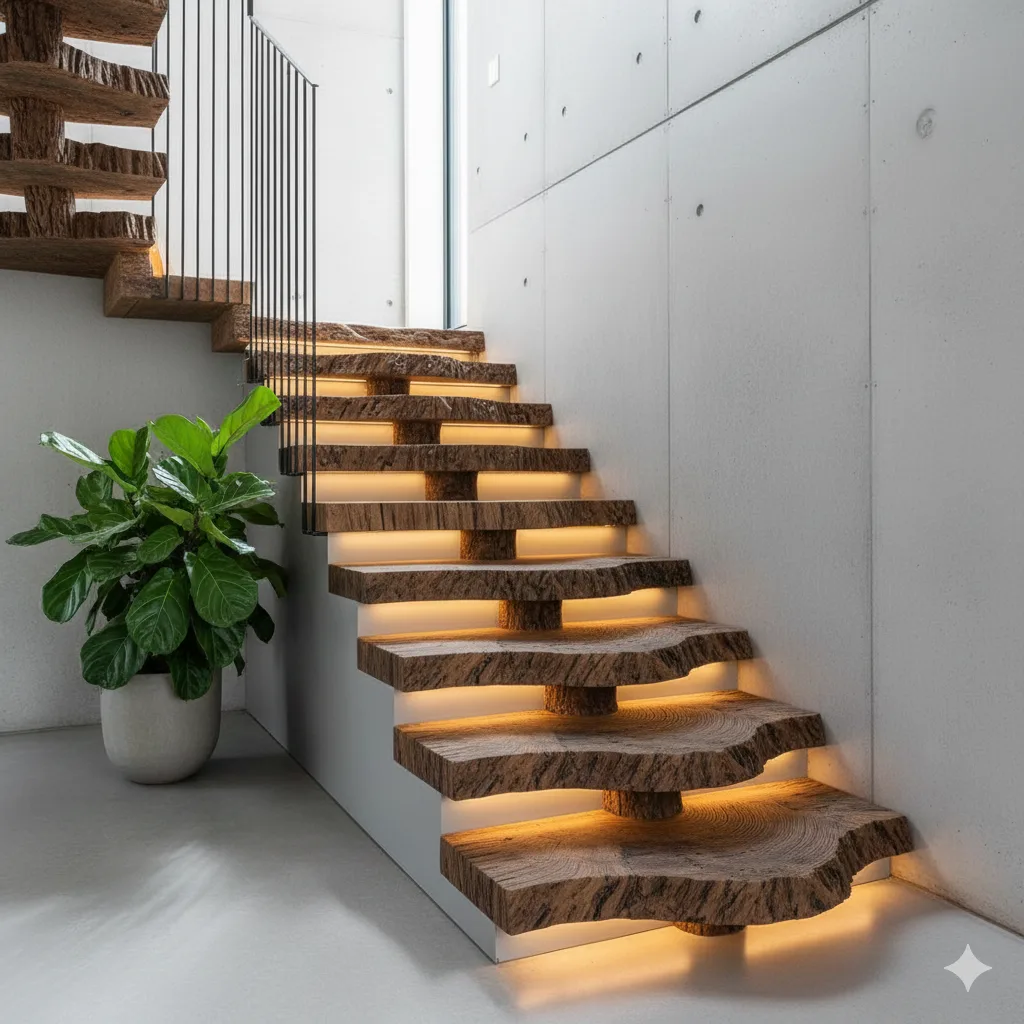
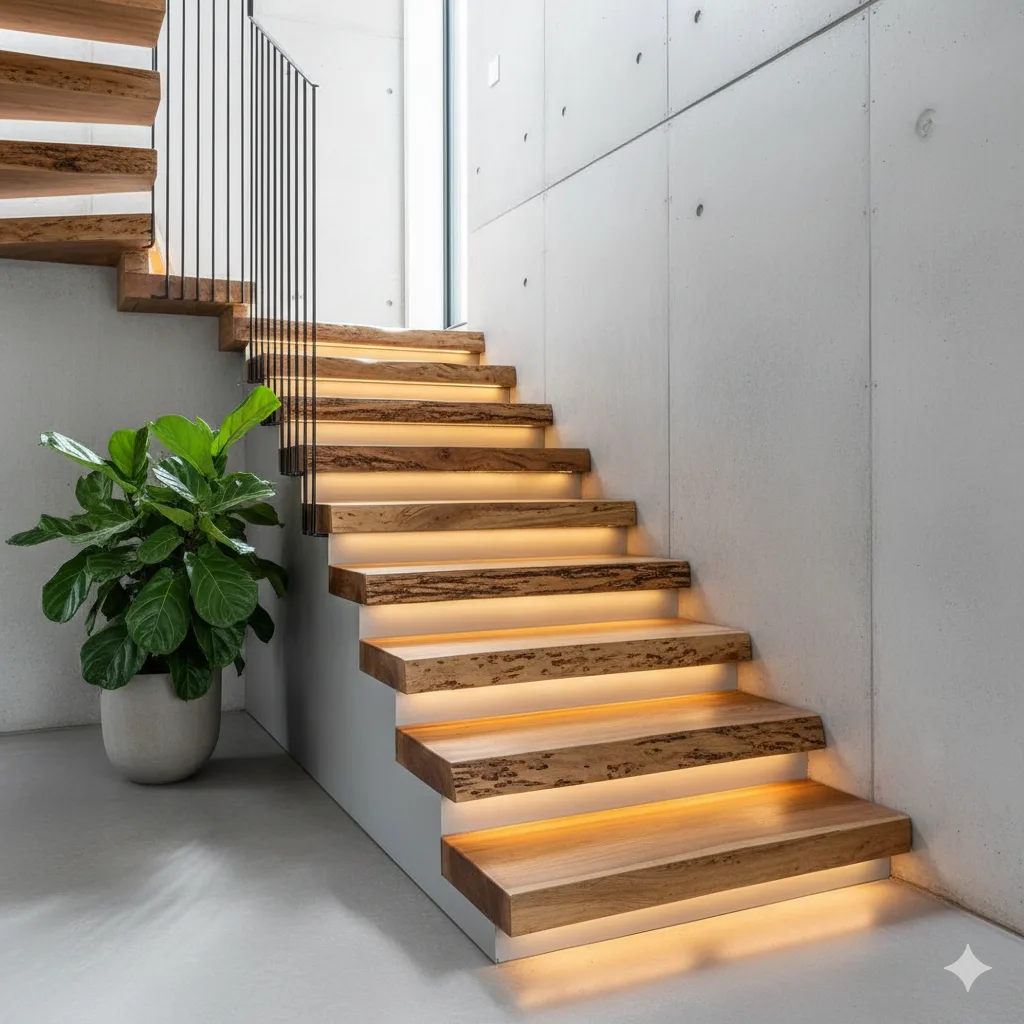
When it comes to interior design, choosing the right staircase can profoundly impact the aesthetic and ambiance of your space. A wood slab staircase offers a modern yet warm appeal, blending natural beauty with sleek craftsmanship. This unique feature isn’t just a functional element; it serves as a statement piece that elevates the overall decor. Let’s explore how to utilize a wood slab staircase in your home, examples of its application, comparisons with other styles, and expert advice for choosing the perfect design.
Understanding the Beauty and Versatility of a Wood Slab Staircase
A wood slab staircase is a type of staircase characterized by large, solid wood treads that are typically cut from a single massive slab or several slabs joined seamlessly. The natural grain, imperfections, and width of the slabs create a distinctive visual appeal and a warm, inviting atmosphere. These staircases are compatible with various interior styles—be it rustic, contemporary, or minimalist—and serve as both functional infrastructure and a piece of art.
Before integrating a wood slab staircase into your space, it’s essential to understand its core features, potential advantages, and design considerations. This knowledge helps in making an informed decision, ensuring the staircase complements your existing decor while adding a unique character.
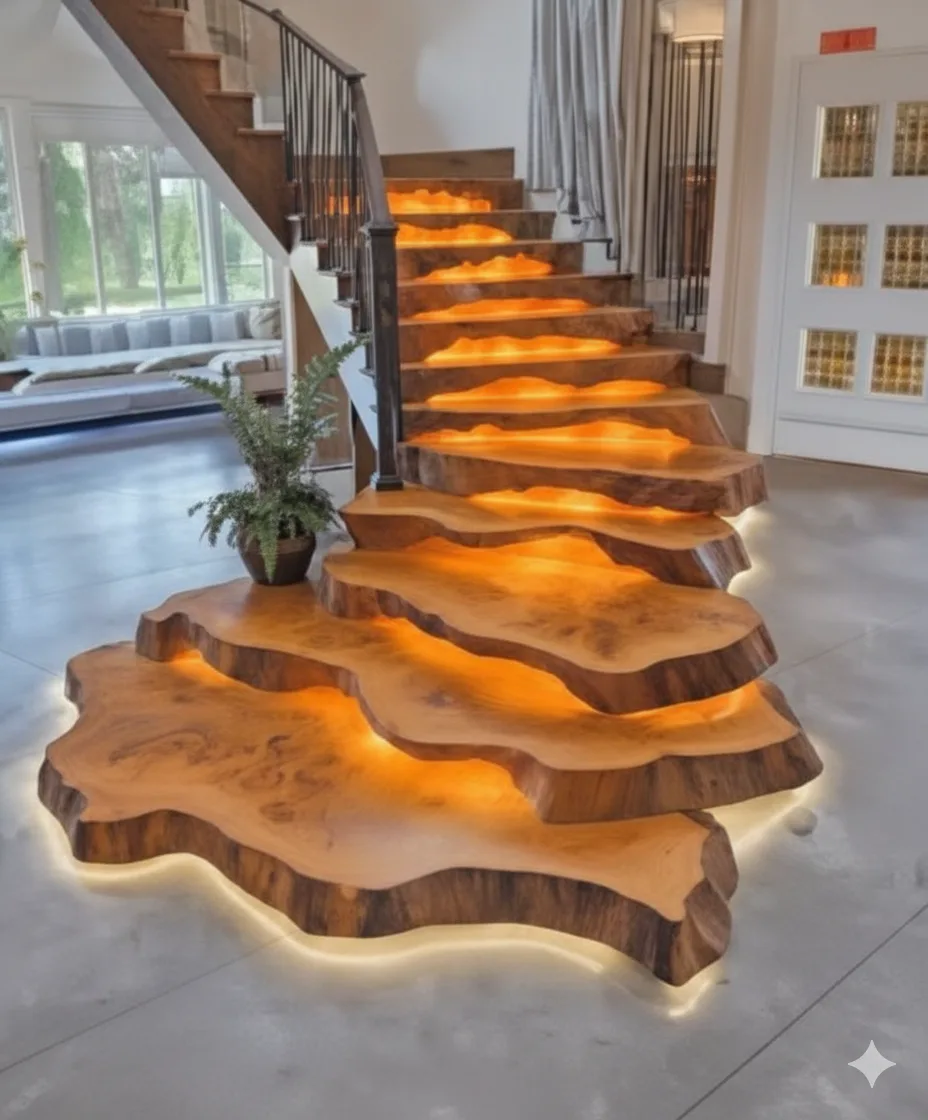
The Aesthetic Appeal and Natural Charm
The intrinsic beauty of a wood slab staircase lies in its natural aesthetic. Each slab is unique, showcasing the rich grain patterns, knots, and textures that make timber a versatile material. The organic feel contrasts beautifully with modern elements like glass or metal, offering a balanced blend of rustic charm and contemporary elegance.
As the wood ages, it develops a patina that enhances its uniqueness, adding depth to your interior design. Choosing a hardwood species such as oak, walnut, or hickory ensures durability and enhances the visual appeal, making your staircase a focal point in your home.
Practical Benefits and Durability
Beyond aesthetic qualities, a wood slab staircase boasts excellent structural integrity when crafted correctly. Its solid construction offers durability, supporting significant weight and regular use without compromise. The large, continuous slabs result in fewer joints, reducing the risk of looseness or creaks over time.
Maintenance is also manageable; with proper sealing and periodic polishing, the wood maintains its luster and structural integrity for years. Moreover, a well-crafted slab can be sanded and refinished to restore its original beauty or update its look in the future.
Design Flexibility and Integration
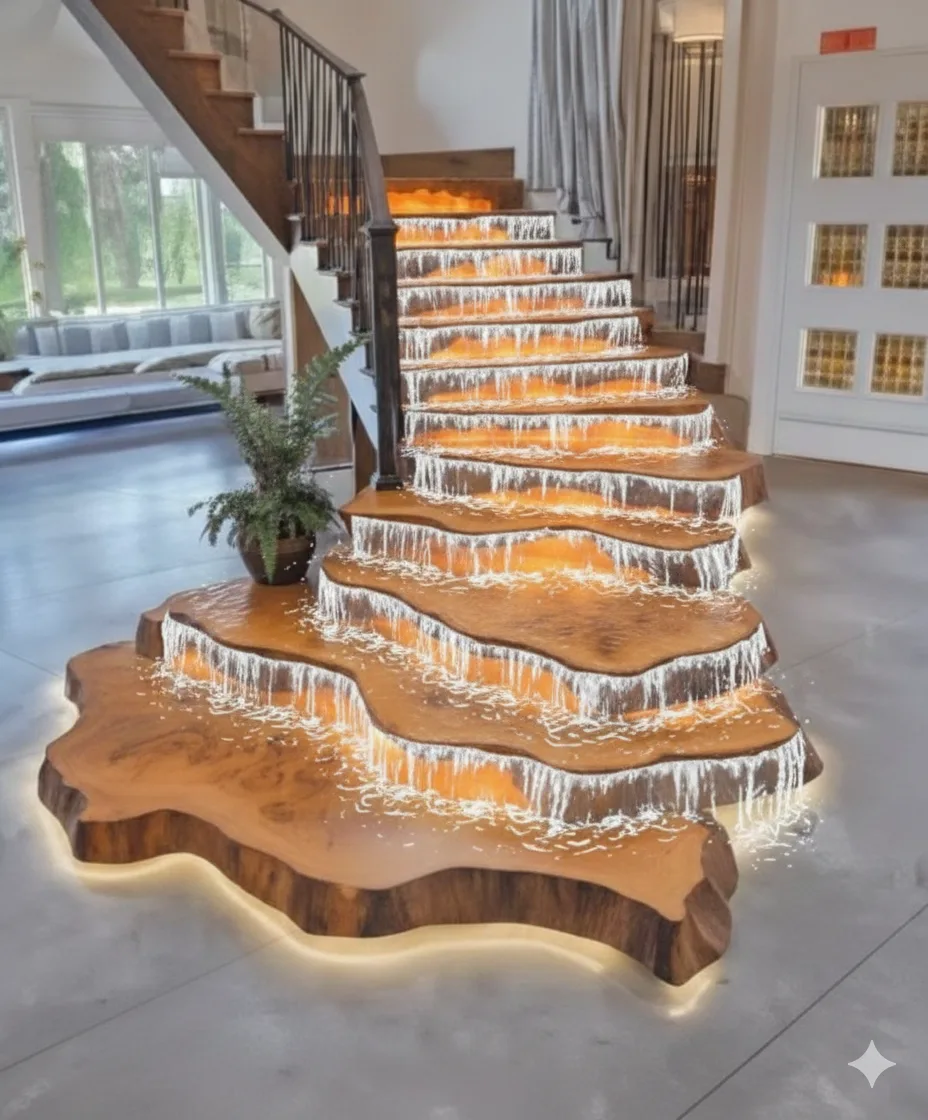
One of the key advantages of a wood slab staircase is its adaptability to various interior schemes. It can be designed with sleek, minimalist balustrades for a modern look or with rustic iron details for more traditional settings. The wide, flat surface of the slabs lends itself to unique customization—such as integrating LED lighting beneath the treads or embedding decorative patterns within the wood.
Incorporating a wood slab staircase also creates opportunities for personalization. You can choose from different finishes, from natural varnished to stained, or even combine different wood types for contrasting effects. This flexibility makes it possible to tailor the staircase precisely to your style.
How to Use a Wood Slab Staircase Effectively in Your Home
Utilizing a wood slab staircase effectively involves considering the functional and aesthetic aspects. The goal is to maximize safety, comfort, and visual impact while harmonizing with your overall home decor. Understanding the space, understanding the materials, and making thoughtful design choices are crucial.
Using a wood slab staircase is ideal for open-plan homes, loft apartments, and luxury residences where the staircase itself is meant to be a statement. When designed thoughtfully, it can become a centerpiece that unites different areas of your home, adding warmth and character.
Incorporating the Staircase into Various Architectural Styles
Different home architectures call for different design cues. For example, in a rustic farmhouse, a natural, unfinished or lightly stained wood slab staircase can perfectly underscore the charm of exposed beams and stonework. Conversely, in a sleek contemporary apartment, a polished, darker wood with minimalistic railings provides a clean and sophisticated look.
For mid-century modern homes, pairing a wood slab staircase with metal or glass balustrades enhances the visual contrast and emphasizes form and function. In traditional homes, a winding wooden stair with ornate details can complement antique furniture and classic design elements.
Safety Measures and Functional Optimization
While the aesthetic aspect is crucial, safety must always come first. Wide, sturdy treads with non-slip finishes are essential for preventing accidents. Handrails should be appropriately designed—either made of matching wood or contrasting materials—to provide support without detracting from the visual appeal.
Lighting also plays a vital role in showcasing the natural beauty of a wood slab staircase. Strategically placed LEDs or ambient lights along the steps can highlight the timber grain and add an element of sophistication. Additionally, ensuring proper attachment and structural reinforcement is vital, especially for large slab installations, to prevent any risks over time.
Maintenance and Longevity Tips
To keep a wood slab staircase looking its best, regular maintenance is essential. Dusting with a soft cloth and periodic cleaning with wood-safe products preserves the natural luster. Applying a fresh coat of sealant every few years protects the wood from moisture and scratches, maintaining its durability.
Avoid exposing the staircase to excessive water or extreme temperature fluctuations, which can cause warping or cracking. Using rugs or non-slip treads on high-traffic areas enhances safety and minimizes wear. With proper care, your staircase can serve as a timeless architectural feature for decades.
Comparing Wood Slab Staircases with Other Material Options
Choosing the right staircase material depends on your aesthetic goals, budget, and lifestyle. To understand the value and appeal of a wood slab staircase, it’s helpful to compare it to alternatives like metal, concrete, or engineered wood.
The following table provides a clear overview of key attributes:
| Attribute | Wood Slab Staircase | Metal Staircase | Concrete Staircase | Engineered Wood Staircase |
|---|---|---|---|---|
| Aesthetic | Warm, natural, unique | Modern, industrial | Minimal, utilitarian | Versatile, customizable |
| Durability | High, if maintained | Very high, resistant to wear | Very high, weather-resistant | Moderate, depends on finish |
| Cost | Moderate to high | Variable, often higher | Budget-friendly | Moderate, depends on finish |
| Maintenance | Periodic sealing & cleaning | Minimal, occasional cleaning | Sealing and cleaning | Similar to wood, requires care |
| Design Flexibility | Extensive, natural variations | Endless, sleek designs | Limited, functional focus | Good, diverse finishes |
Why Choose a Wood Slab Staircase?
Unlike metal or concrete options, which can sometimes feel cold or institutional, a wood slab staircase introduces warmth, texture, and organic appeal to your interior space. It lends itself to a range of design styles, from rustic to contemporary, and adds a sense of craftsmanship and artistry unmatched by manufactured materials.
While other materials might offer easier maintenance or lower costs, the visual impact and natural beauty of a wood slab staircase often justify the investment. Its unique patterns and customizable options enable homeowners to create a truly bespoke feature that becomes the highlight of their home.
Balancing Aesthetics and Practicality
When deciding on your staircase, consider both aesthetic and practical aspects. For example, if your household has children or frequent high traffic, the durability and safety features of a wood slab staircase are especially important. Conversely, for minimalist or industrial environments, metal or concrete might better suit the overall design.
Ultimately, understanding these differences empowers you to make an informed decision that aligns with your home’s personality and your lifestyle needs.
Expert Advice for Choosing and Installing a Wood Slab Staircase
Investing in a wood slab staircase is a significant decision that involves craftsmanship, choosing the right materials, and careful planning. Here are expert recommendations to guide you through the process from conception to installation.
Selecting the Right Wood Species and Finish
The choice of wood directly impacts the staircase’s appearance, durability, and maintenance needs. Hardwoods like oak, walnut, and hickory are popular for their strength and aesthetic richness. Consider the grain pattern and color preferences before selecting.
The finish plays a pivotal role in protecting the wood and enhancing its appearance. Options include natural oil finishes for a matte look, polyurethane for a glossy, protective surface, or stain to add color and depth to the grain. Consulting with a professional can help you find the optimal combination based on your lifestyle and decor.
Custom Design Versus Prefabricated Options
While custom-designed wood slab staircases offer tailored features such as specific dimensions, detailed railings, and integrated lighting, prefabricated options can lower costs and lead times. However, they may lack the unique natural variations and detailed craftsmanship of a custom piece.
Working with experienced architects and artisans ensures your staircase harmonizes perfectly with your space. They can advise on structural support, safety compliance, and aesthetic elements that make your staircase a seamless extension of your home.
Ensuring Proper Structural Support and Safety
Given the substantial size and weight of the slabs, structural reinforcement is crucial. Low-quality installations can lead to looseness, creaking, or safety hazards. Incorporating strong support beams, secure attachments, and reinforced handrails ensures longevity.
Moreover, accessibility features such as anti-slip treads, well-placed lighting, and comfortable riser heights enhance safety. Always choose licensed contractors experienced in staircase installation to guarantee compliance with building codes and safety standards.
Personalized Touches and Unique Features
Adding personal touches like embedded LED lighting, custom engraving, or contrast wood inlays can elevate the staircase’s style and functionality. Examples include lighting beneath treads for dramatic effect or incorporating artwork within the wood grain.
Some homeowners opt for a floating effect by attaching slabs to concealed supports or designing open riser configurations for a lighter appearance. Whatever your preferences, detailed planning ensures your wood slab staircase remains a captivating feature for years to come.
A wood slab staircase possesses the unique ability to blend natural beauty with structural elegance, making it an ideal choice for homeowners seeking a statement piece that is as functional as it is artistic. Its versatile aesthetic complements a wide range of interior styles, from rustic charm to sleek modernity, and its durability ensures lasting appeal. By carefully selecting the right wood species, finishes, and design features, you can customize your staircase to reflect your personal style while enhancing your home’s overall ambiance. With proper planning, expert craftsmanship, and thoughtful integration, a wood slab staircase can transform your interior into a warm, inviting, and sophisticated space—truly a timeless investment.