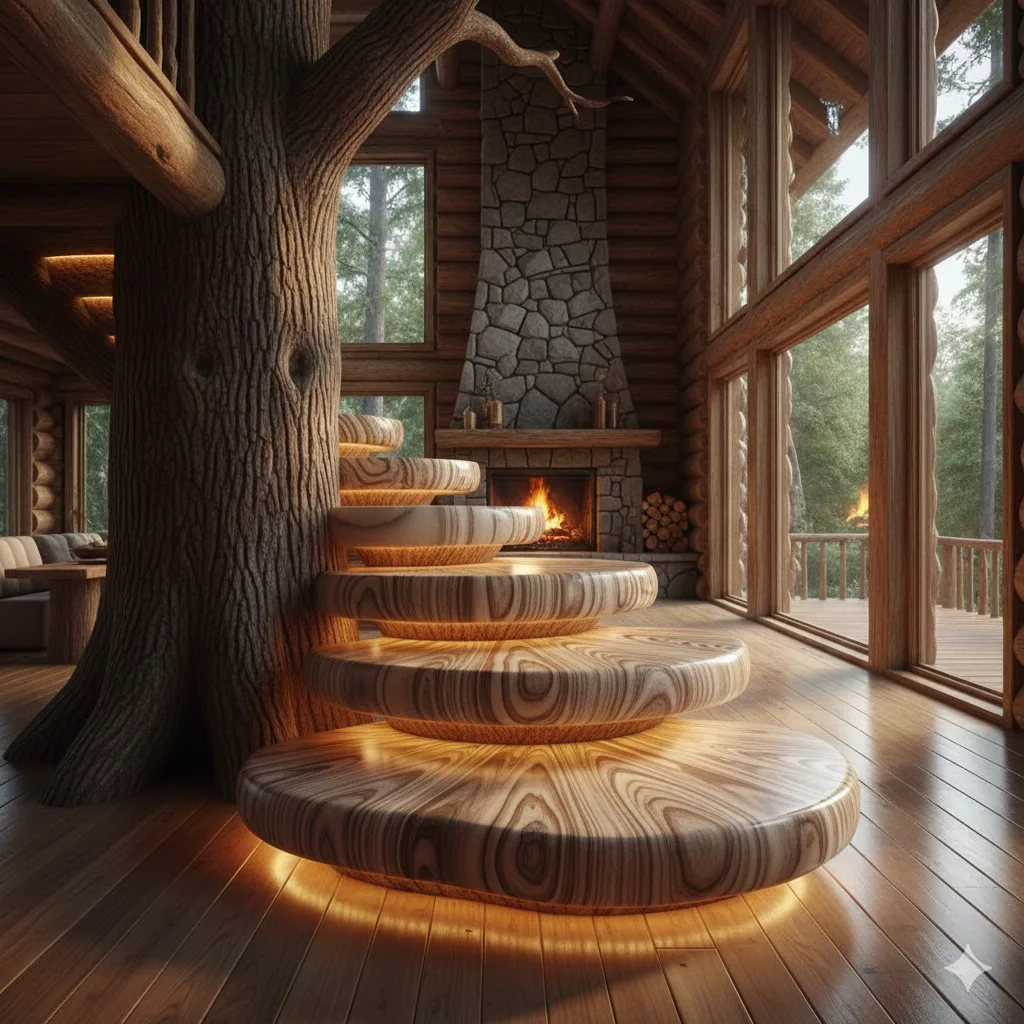
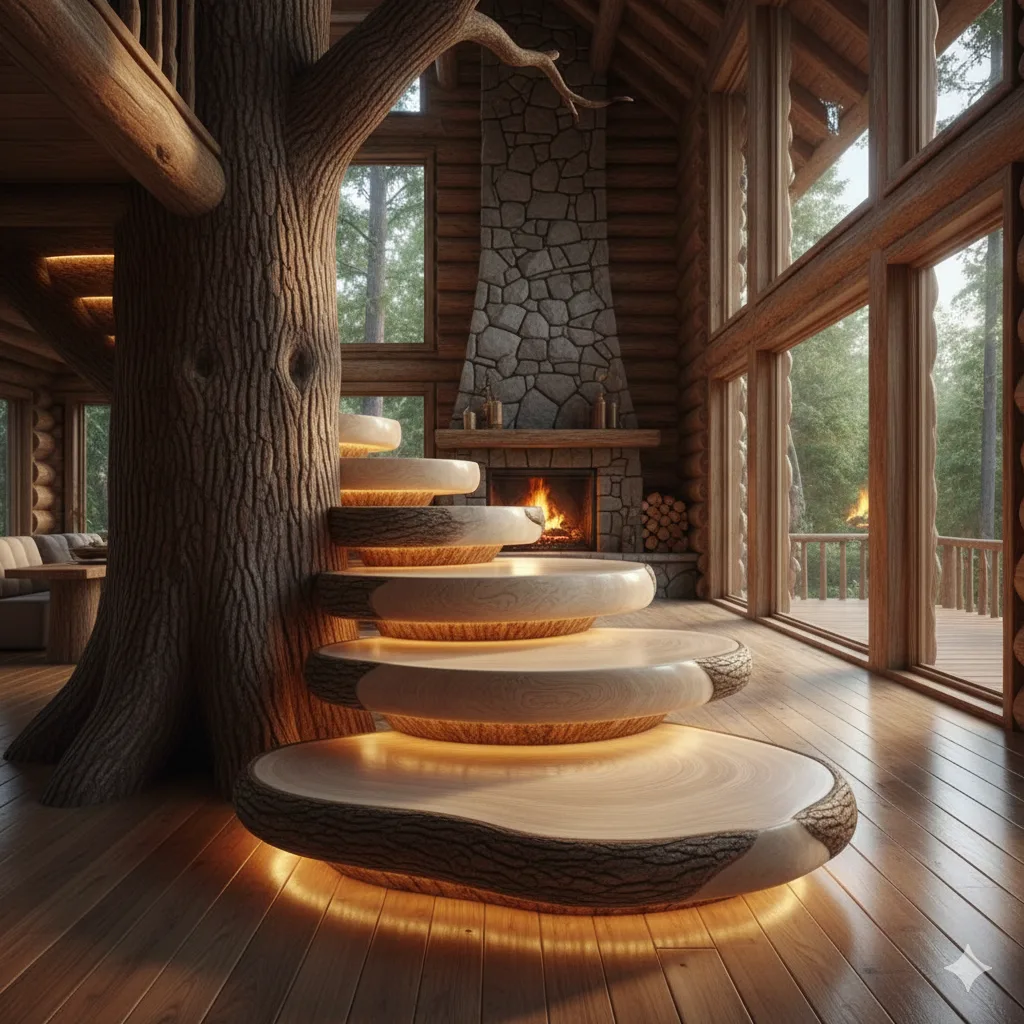
The Wood Slab Staircase stands as a resounding testament to craftsmanship and organic beauty in modern architecture. Its unique character, blending strength with visual appeal, makes it an ideal choice for homeowners seeking to create a statement piece that exudes warmth and luxury. From rustic farmhouses to contemporary urban residences, the wood slab staircase offers versatility that can redefine any space. In this article, we’ll explore how to use a wood slab staircase effectively, provide real-world examples, compare it with other staircase styles, and offer practical advice to ensure your project is both beautiful and functional.
Understanding the Charm and Utility of a Wood Slab Staircase
A Wood Slab Staircase is characterized by its massive, single-piece or multi-piece wooden treads that showcase the natural grain, imperfections, and organic shapes of the wood. This design celebrates raw authenticity while providing a sturdy, long-lasting structure. The popularity of this staircase type has surged as homeowners and designers aim to bring nature indoors and evoke a sense of craftsmanship.
The wooden slab staircase not only functions as a practical element for moving between floors but also as a visual centerpiece that can anchor the aesthetic of a space. Its design flexibility allows for integration with various interior styles, from rustic and farmhouse to sleek modern and minimalist environments. Additionally, its tactile surface provides a warm contrast to metal or glass balustrades, enhancing both the form and function of your home.
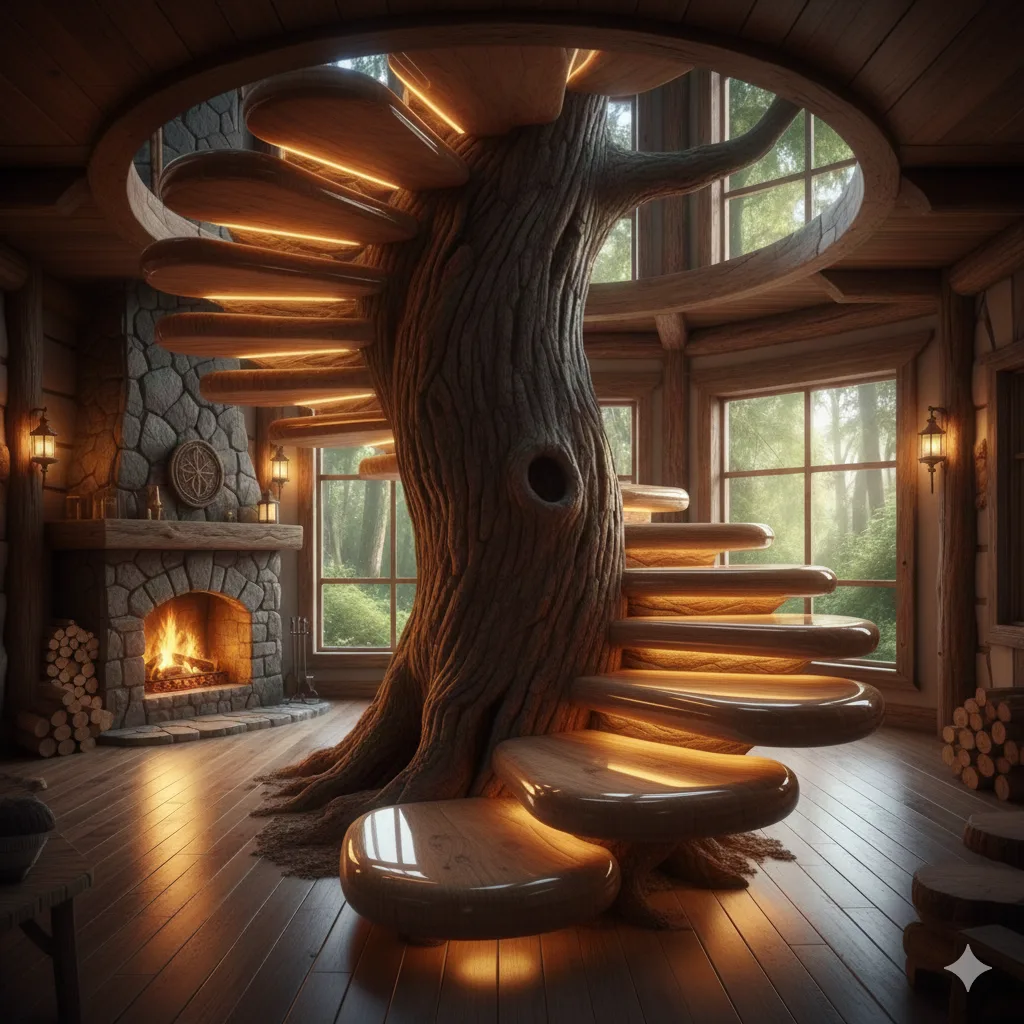
Before diving into specific applications, it’s essential to understand the structural considerations, material choices, and maintenance requirements that come with a wood slab staircase. Because slabs are large and often custom-cut, their design and installation demand precision and craftsmanship to ensure safety, durability, and visual harmony.
How to Use a Wood Slab Staircase Effectively in Your Home
Implementing a Wood Slab Staircase successfully depends on the thoughtful integration into the overall design of your home. Its rustic appeal should complement other elements, such as furniture, flooring, and lighting, creating a cohesive environment that emphasizes natural beauty.
Creating a Focal Point with Natural Materials
A key way to maximize the impact of a wood slab staircase is positioning it as the architectural highlight of your home. Consider placing it in an open-concept space where it can be viewed from multiple angles, such as a living room opening to a mezzanine or an entry hall with high ceilings. The staircase’s organic forms and rich textures will immediately capture attention, serving as an artistic statement.
When designing this feature, choose wood types that complement or contrast with the surrounding decor. For example, dark walnut slabs can provide dramatic richness against white walls, while lighter oak slabs soften minimalistic themes. Remember to incorporate lighting that highlights the natural grain and enhances the staircase’s unique features without creating glare.
Blending Functionality with Aesthetic Appeal
While aesthetics are important, the staircase must also be safe and comfortable for everyday use. Incorporate durable handrails—either in wood, metal, or a combination—that complement the overall style. For example, a sleek metal handrail pairs well with rustic wood slabs, creating a modern-meets-natural fusion.
Additionally, consider how the staircase impacts flow and accessibility. Wide, gently sloped slabs can facilitate easy movement, especially in homes with children or elderly residents. Adding non-slip finishes or textured surfaces on the treads ensures safety without compromising visual appeal. It’s also wise to select materials resistant to humidity and temperature changes, particularly if your home is exposed to varying climates.
Maintenance and Longevity Tips
To preserve the beauty and integrity of your wood slab staircase, regular maintenance is essential. Applying a protective sealant or oil will help resist stains, moisture, and scratches. Periodic cleaning with gentle wood cleaners and avoiding harsh chemicals extends the lifespan of your natural centerpiece.
In high-traffic areas, consider adding rugs or runners that complement the wood’s natural tones. These not only reduce wear but also introduce personal style into the space. Properly maintaining the finish and periodically inspecting for signs of wear or damage will ensure your staircase remains stunning for years to come.
Comparing Wood Slab Staircases to Other Popular Staircase Styles
Choosing the right staircase style can influence the overall aesthetic, functionality, and budget of your project. Here, we’ll compare the Wood Slab Staircase with other prevalent options, highlighting advantages, limitations, and suitable environments.
Traditional Stringer Staircases vs. Wood Slab Staircases
Traditional staircases typically involve multiple components: stringers, treads, risers, and handrails, often made from engineered or processed wood, metal, or concrete. They offer structural reliability and predictability for standard residential and commercial applications.
In contrast, the Wood Slab Staircase emphasizes organic forms and often requires custom manufacturing. While traditional staircases are more mass-produced and easier to install, slabs provide a unique, one-of-a-kind aesthetic that no factory-produced staircase can match.
Advantages of wood slab staircases include their visual uniqueness, tactile warmth, and the ability to showcase natural wood grain patterns. However, they can be more expensive due to custom fabrication and require meticulous craftsmanship.
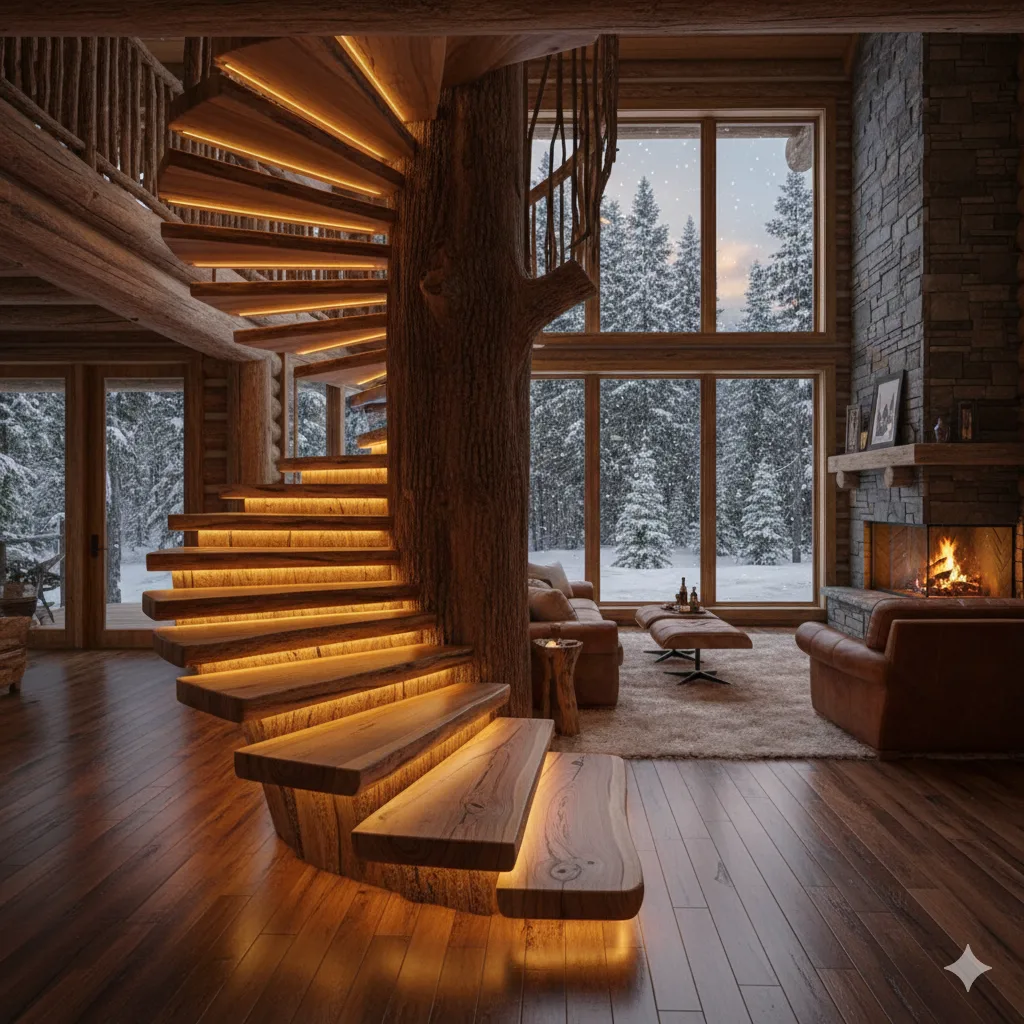
Limitations involve the need for precise structural support and potential challenges with modifications later. Traditional options offer easier scalability and maintenance but may lack the distinctive, artistic appeal of slab designs.
Open-Rise vs. Closed-Rise Wood Slab Staircases
Open-rise staircases feature open gaps between treads, creating a floating or airy look that enhances light and space perception. Closed-rise staircases, with risers, provide a more enclosed, traditional feel.
A Wood Slab Staircase can be designed to suit either style. Open risers lend modernity and minimalism, emphasizing the natural wood’s organic lines, while closed risers add solidity and tradition.
Choosing between these styles depends on your interior goals: transparency and openness versus enclosure and noise reduction. Both can be crafted with wood slabs to optimize aesthetics and functionality.
Cost and Maintenance Considerations in Choosing Your Style
| Feature | Traditional Staircase | Wood Slab Staircase | Cost | Maintenance | Artistic Value |
|---|---|---|---|---|---|
| Material affordability | Moderate | High | Lower | Moderate | Varies |
| Design uniqueness | Standard | Highly unique | Higher | Higher | Exceptional |
| Customization ease | Easier | Requires craftsmanship | Easier | More involved | Artistic centerpiece |
This table illustrates the differences clearly, guiding homeowners toward choices aligned with their budget, aesthetic preferences, and maintenance capacity.
Practical Advice for Incorporating a Wood Slab Staircase into Your Home
Implementing a Wood Slab Staircase requires attentive planning, skilled craftsmanship, and thoughtful design. Here are some seasoned tips for achieving a successful integration:
Work with Experienced Craftsmen
Given the bespoke nature of wood slab staircases, collaborating with artisans or woodworking specialists is crucial. Their expertise ensures the slabs are properly sourced, cut, and supported to meet safety and durability standards. A good craftsman can also help select the most beautiful wood grain patterns that suit your interior.
Prioritize Safety and Comfort
A stunning design should never compromise usability. Ensure treads are wide and deep enough for comfortable footing. Incorporate slip-resistant finishes and sturdy handrails. Test different lighting options, such as LED strips or spotlights, to accentuate the natural beauty without sacrificing visibility.
Environmental and Material Considerations
Choose sustainable and appropriately cured wood to prevent warping or cracking over time. Consider climate factors; humidity and temperature fluctuations can affect wood stability. Opt for finishes that not only highlight the grain but also offer protection against spills and wear.
Balance Style with Structural Support
Massive slabs require robust underpinning, such as steel reinforcements or concealed supports. Design the support framework to be discreet yet effective, preserving the visual impact of the slabs. Hidden supports can create a floating effect, adding to the modern appeal.
A Wood Slab Staircase embodies natural elegance, craftsmanship, and architectural artistry, making it an inspiring feature for contemporary and traditional interiors alike. Its unique appeal lies in showcasing the raw beauty of natural wood while offering structural versatility. When thoughtfully integrated, it can serve as both a functional element and a captivating centerpiece, elevating the aesthetic value of your home. Whether you choose open or closed risers, rustic or polished finishes, working with skilled artisans and paying attention to safety and maintenance will ensure your staircase remains a treasured part of your living space for years to come.