
Wood slab flooring is quickly becoming the centerpiece of modern interior design, offering a blend of rustic charm and sophisticated elegance. This flooring option stands out due to its unique character, showcasing the natural grains and textures of the wood in a way that pre-fabricated planks rarely can. Whether you’re renovating a home or designing a new commercial space, understanding how to effectively use wood slab flooring can elevate your aesthetic, emphasizing warmth, authenticity, and craftsmanship.
In this article, we’ll explore the various aspects of wood slab flooring—from its practical applications to comparisons with traditional flooring options. We’ll offer expert advice on how to choose the right slab, how to incorporate it into different spaces, and how to maintain its beauty over the years.
Understanding Wood Slab Flooring – Nature’s Artwork Beneath Your Feet
Wood slab flooring is distinguished by the use of large, single or multi-piece wood slabs used as flooring planks. Unlike conventional engineered hardwoods or narrow-width strips, wood slabs retain the natural contours, imperfections, and organic beauty of the tree. This flooring option is noted not only for its aesthetic allure but also for the statement it makes about sustainability and craftsmanship.

Before you decide on wood slab flooring for your space, it’s crucial to grasp its defining features, advantages, and challenges. This understanding helps in making an informed decision that aligns with your style aspirations and practical needs.
The Art of Selecting the Perfect Wood Slab
Choosing the right wood slab involves considering species, size, grain pattern, and finish. Each of these elements contributes to the overall aesthetic and performance of the flooring.
When selecting a wood slab, the species is paramount because it determines durability, color, grain, and how the wood ages over time. For example, oak and maple are popular choices for their robustness, while walnut and cherry add warm, rich tones that deepen with age. It’s essential to evaluate how these species will complement your interior design and lifestyle needs.
Size and thickness also matter. Larger slabs naturally make a bolder statement, emphasizing the natural characteristics of the wood. Thicker slabs provide more stability and longevity, especially in high-traffic areas. Additionally, finish choices—such as matte, semi-gloss, or high-gloss—can alter the perception of the wood slab, highlighting or softening its natural features.
The Advantages of Wood Slab Flooring
One of the most compelling reasons to use wood slab flooring is its unique visual impact. No two slabs are exactly alike, which imbues your space with an artisanal quality that cannot be replicated by mass-produced flooring options. The irregular textures, knots, and grain variations tell a story of the wood’s history and origin.
Another advantage is the durability and lifespan of well-maintained wood slabs. When properly finished and cared for, these floors can last decades, even generations, becoming more beautiful over time as they develop a patina and character. Additionally, the environmental benefits of opting for sustainable, responsibly harvested wood add to the appeal.
While wood slab flooring can present installation challenges due to its size and weight, these are often offset by the stunning aesthetic payoff. Proper foundational work and professional installation are key to avoiding issues like warping or uneven surfaces. With thoughtful selection and care, wood slab flooring can become a focal point of any interior.
Practical Applications of Wood Slab Flooring in Interior Design
Wood slab flooring’s versatility makes it suitable for a wide range of spaces—from rustic cabin interiors to sleek, modern urban condos. The key to leveraging its full potential lies in understanding how to incorporate it effectively within different design contexts.
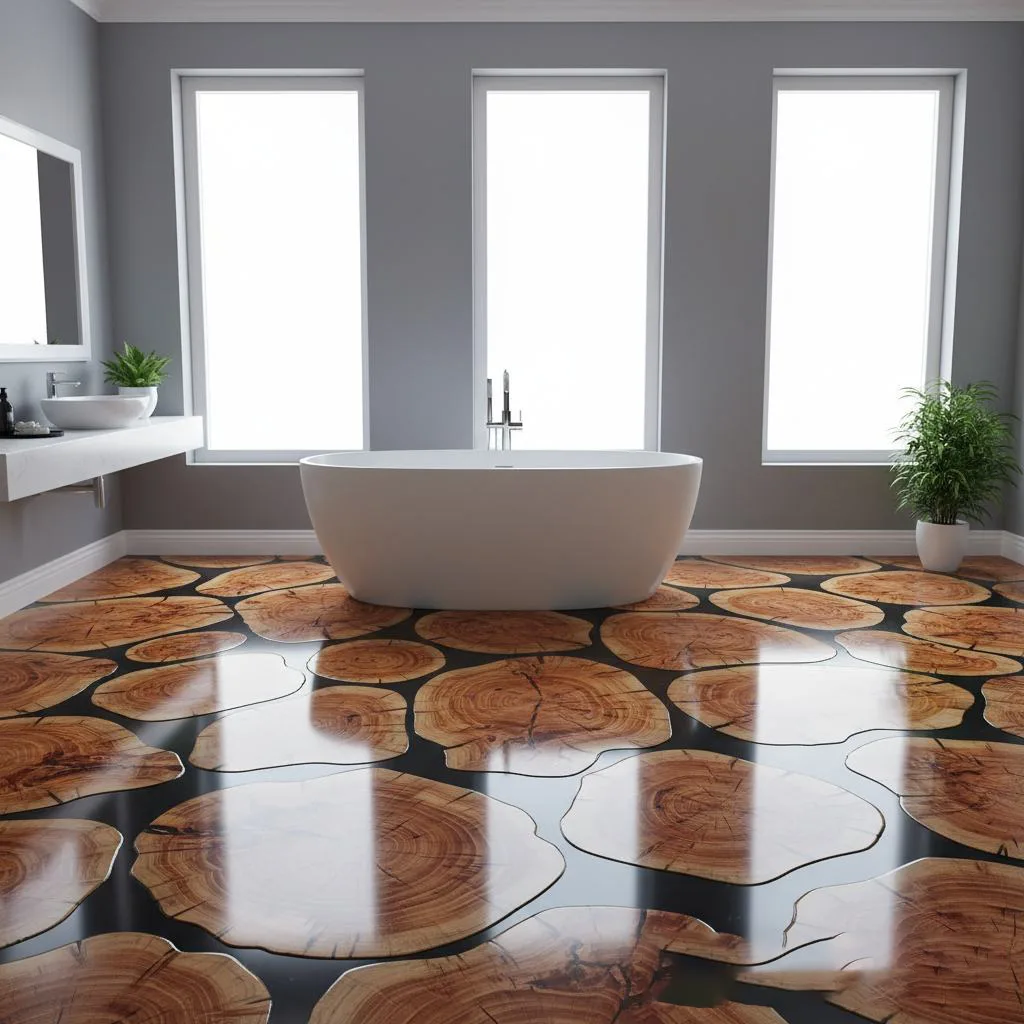
The use of wood slab flooring can invoke a natural, welcoming atmosphere in residential homes, or add a touch of luxury and grandeur in commercial settings. When used correctly, it acts as both a visual anchor and a conversation starter, enriching the overall aesthetic environment.
Creating Warmth in Residential Spaces
In residential applications, especially living rooms, kitchens, or bedrooms, wood slab flooring brings an organic warmth that’s hard to match with synthetic or manufactured materials. Its natural imperfections and textures create a comfortable, lived-in feel that enhances relaxation and coziness.
For instance, pairing a stone or brick fireplace with a wide, beautifully grained wood slab floor can create a rustic yet refined ambiance. Choosing a finish that softens the wood’s appearance can prevent the space from feeling overly rugged, instead fostering a balanced harmony of natural elements.
Adding area rugs or textiles over the slabs can also introduce color and pattern, fostering layers and depth within the interior. Maintaining the natural edge of the slabs or choosing a more refined, sanded surface depends on your aesthetic preferences, from coastal chic to modern minimalism.
Elevating Commercial Interiors
In boutique hotels, high-end restaurants, or upscale offices, wood slab flooring exudes sophistication and exclusivity. It can be used to define entrances, lounge areas, or entire open-plan offices, serving as a luxurious foundation for branding and identity.
The large, uninterrupted surface of wood slabs lends a sense of grandeur that complements contemporary design styles. Moreover, with proper sealing and maintenance, wood slab floors can withstand the demands of commercial environments while maintaining their beauty.
Using wood slab flooring in commercial settings also offers flexibility with customization. Large slabs can be shaped or finished with unique inlays, patterns, or contrasting edges, providing an opportunity to showcase craftsmanship and bespoke artistry.
Enhancing Outdoor-Indoor Transitions
Using wood slab flooring at transitional spaces like porches, verandas, or covered patios can visually connect indoor and outdoor environments. Although outdoor applications require specific treatments for weather resistance, integrating wood slabs into open or semi-open spaces creates a seamless, inviting flow.
In each application, the key is to balance the aesthetic qualities of wood slabs with practical considerations such as durability, environmental exposure, and maintenance. Consulting with professionals ensures that the correct species, finish, and installation techniques are employed to maximize longevity and visual impact.
Maintenance and Care Tips for Long-Lasting Wood Slab Flooring
Achieving durability and maintaining the natural beauty of wood slab flooring demand a proactive approach to care and maintenance. Unlike traditional flooring, wood slabs require specific attention to prevent damage, preserve their unique characteristics, and enhance their lifespan.

A thoughtful maintenance routine involves regular cleaning, prompt attention to spills, and periodic refinishing. Understanding the nuances of caring for such distinctive surfaces ensures your investment remains captivating for decades.
Cleaning and Preventing Damage
Routine cleaning starts with gentle sweeping or vacuuming to prevent grit and dirt from scratching or damaging the surface. Avoid harsh chemicals, opting instead for pH-neutral cleaners specifically formulated for wood floors.
Promptly addressing spills, especially liquids that can penetrate the wood or cause staining, is essential. Use soft cloths or mops to gently wipe affected areas, and avoid abrasive scrubbers that can scratch the surface or remove finish.
Protecting the flooring with furniture pads, rugs, and mats can significantly reduce wear, especially in high-traffic zones. Placing rugs in entryways and areas prone to moisture helps prevent dirt accumulation and potential staining from tracked-in debris.
Refinishing and Restoration
Over time, even the most well-maintained wood slab floors may require refinishing to restore their original luster. Sanding and resealing the surface can eliminate scratches, dents, and wear marks, renewing the natural vibrancy of the slabs.
The process involves careful sanding to remove superficial imperfections without damaging the unique profiles of the slabs. Choosing the right finish, whether oil, polyurethane, or wax, depends on the desired appearance and level of durability.
Professional restoration ensures that the slabs retain their natural charm while being protected against future damage. Regular maintenance combined with strategic refinishing can extend the lifespan of your wood slab flooring, preserving its appeal for generations.
Sustainable Practices for Long-Term Preservation
Using environmentally responsible cleaning products and finishes can keep your wood slab flooring eco-friendly and safe for inhabitants. Moreover, selecting sustainably harvested wood or reclaimed slabs minimizes environmental impact and supports conservation efforts.
In addition to that, regular inspection for signs of moisture intrusion or warping helps catch potential problems early. Addressing issues promptly with professional repair prevents costly replacements and maintains structural integrity.
Embracing eco-conscious practices and diligent upkeep not only sustains the beauty of wood slab flooring but aligns with a broader commitment to sustainability, enriching the moral value of your design choices.
Conclusion
Wood slab flooring offers a distinctive, natural appeal that elevates any space through its unparalleled character, texture, and craftsmanship. Its application ranges from intimate residential interiors to opulent commercial environments, each benefiting from its warmth and bespoke quality. Selecting the right slabs, paying close attention to installation, and committing to regular maintenance are essential steps in harnessing its full potential. With proper care, wood slab flooring can become a timeless feature—an authentic piece of art underfoot that tells a story of nature, skill, and enduring beauty.