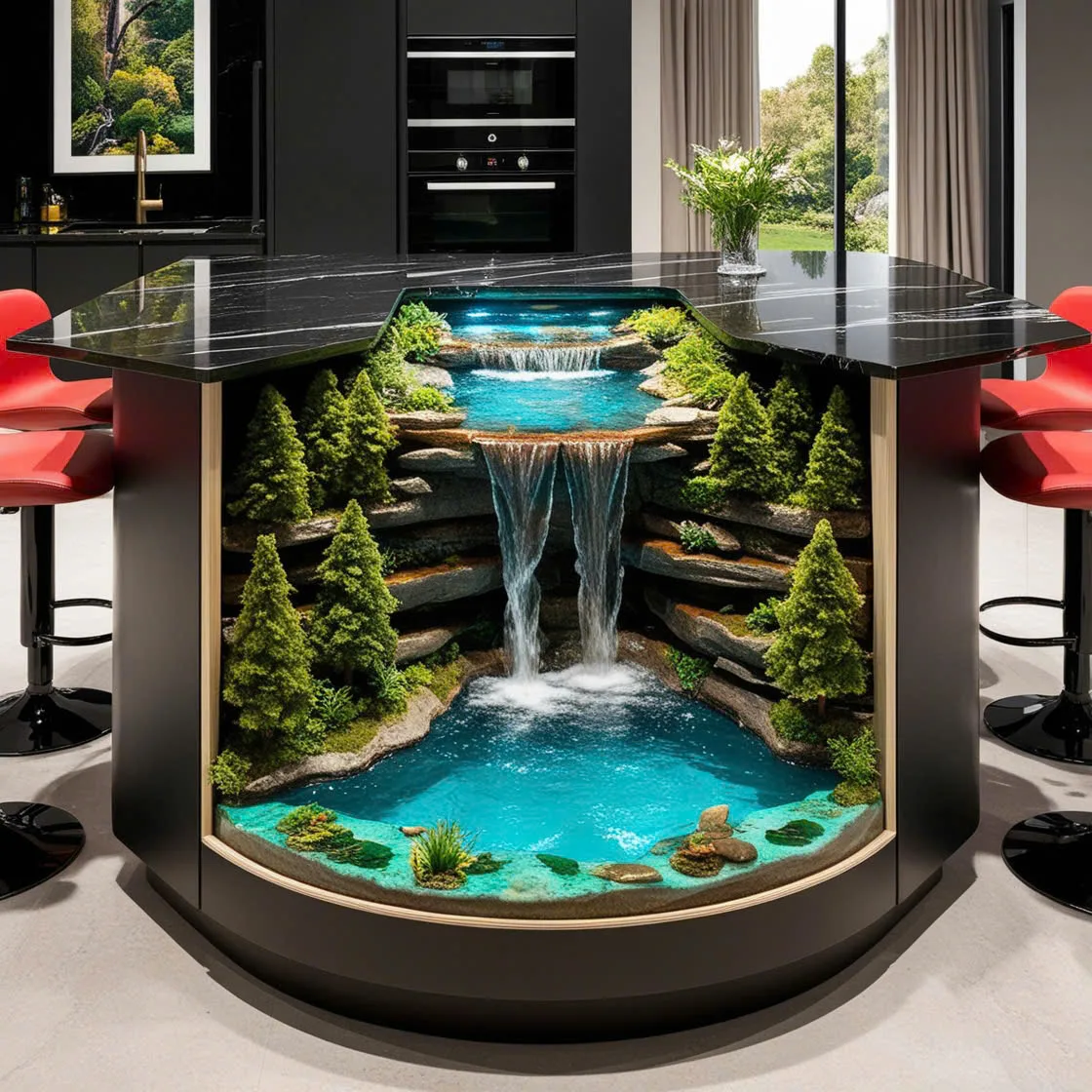
Waterfall kitchen islands are revolutionizing how homeowners approach kitchen aesthetics and functionality. This innovative design features a continuous flow of countertop material that cascades over the edges, creating a sleek, modern silhouette. With their distinctive appearance and versatile utility, waterfall kitchen islands are rapidly becoming the centerpiece of contemporary kitchens. They blend high-end visual appeal with practical benefits, elevating your space beyond traditional island designs.
Waterfall kitchen islands offer an elegant way to maximize both style and functionality in your kitchen. Whether you’re considering how to use them effectively, exploring different design examples, or comparing them to other types of islands, understanding their features can help you make informed decisions for your renovation or new build. This article provides comprehensive insights into waterfall kitchen islands, offering advice on how to incorporate and enjoy these stunning features.
Understanding Waterfall Kitchen Islands – A Modern Twist on Classic Design
Waterfall kitchen islands stand out primarily because of their uninterrupted, flowing surfaces that extend down the sides of the island. Unlike standard islands that typically have a countertop and cabinetry, waterfall islands give your kitchen a seamless, luxurious look.
Before diving into specific design ideas and uses, it’s essential to grasp why waterfall kitchen islands have become so popular. Their visual effect is both striking and sophisticated, making them an excellent focal point in open-concept spaces.
The Origins and Evolution of Waterfall Kitchen Islands
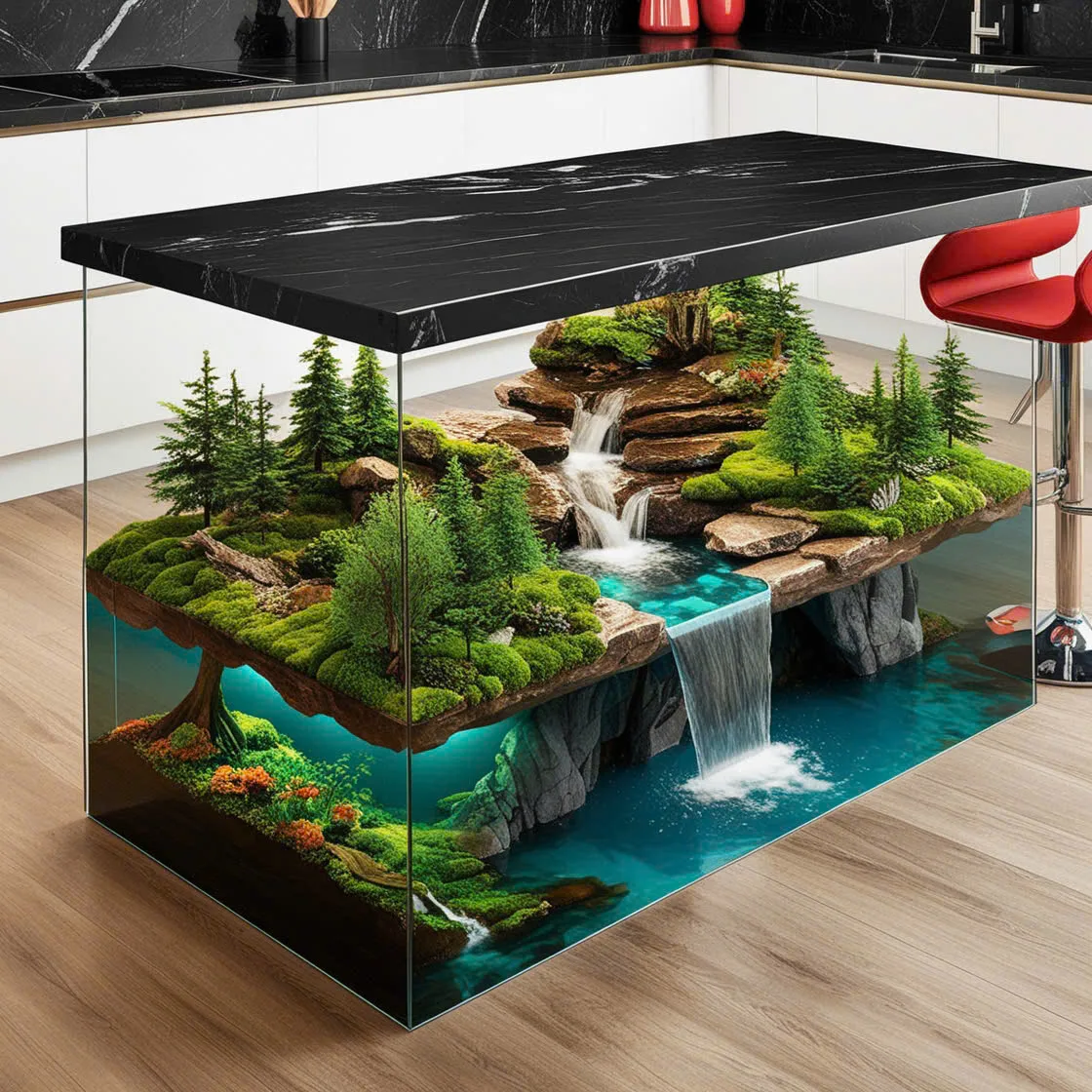
The concept of waterfall countertops originated in high-end architectural design, where continuous surfaces flow seamlessly from horizontal to vertical planes. Initially used in commercial settings or luxury homes, these designs have trickled into mainstream residential kitchens due to their elegant aesthetic and functional advantages.
Historically, waterfall islands grew out of a desire to minimize visual clutter and create a sense of fluidity in kitchen design. Early iterations often used materials like marble or quartz to achieve the luxurious, uninterrupted appearance. Over time, manufacturers expanded their offerings, accommodating a variety of materials, from stone to solid surfaces, to suit different tastes and budgets.
Today, waterfall kitchen islands are a symbol of modern sophistication. They exemplify how careful material selection and craftsmanship can transform a simple kitchen into an architectural statement.
Benefits of Integrating Waterfall Kitchen Islands in Your Space
Incorporating a waterfall kitchen island offers numerous benefits that go beyond aesthetics. These benefits include enhanced durability, easier cleaning, and increased visual cohesion in the kitchen space.
One significant advantage is the durability of waterfall edges. Since the countertop material extends down the sides, it provides additional support and resistance to wear and tear, especially in high-traffic kitchens. This continuity also means fewer gaps or joints that could collect dirt or moisture, simplifying maintenance.
Furthermore, waterfall islands can serve as natural dividers within open-plan layouts, subtly defining zones without the need for additional walls or barriers. Their sleek appearance naturally draws attention, making them a conversation piece and a functional workspace simultaneously.
For those aiming to modernize their kitchens while focusing on minimalism, waterfall islands are an excellent choice. They emphasize clean lines and seamless surfaces, elevating the overall aesthetic while remaining practical.
How to Use and Customize Waterfall Kitchen Islands – Practical Tips and Creative Ideas
Using waterfall kitchen islands effectively in your interior design requires careful planning and customization. They serve multiple functions—from eating areas to prep stations—and can be tailored to fit your lifestyle and style preferences.
When considering how to use waterfall islands, think about the space available. These islands can be designed as small breakfast bars, expansive cooking stations, or hybrid units combining multiple functionalities. Their versatility allows for personalization, ensuring they meet your specific needs.
Design and Material Selection for Waterfall Kitchen Islands
Creating a stunning waterfall island begins with choosing the right materials. Common options include quartz, marble, granite, and concrete, each offering unique visual and functional qualities.
Quartz is popular for its durability and consistent appearance, making it ideal for everyday use. Marble, with its timeless elegance, introduces an organic, luxurious vibe, though it may require more maintenance. Granite strikes a balance between durability and aesthetic appeal, while concrete offers a modern, industrial look and a high level of customization.
Color choice is equally crucial, as it impacts the overall harmony of your kitchen. Neutral tones like white, gray, or black create a minimalist look, while bold shades or patterned stones add visual interest and personality.
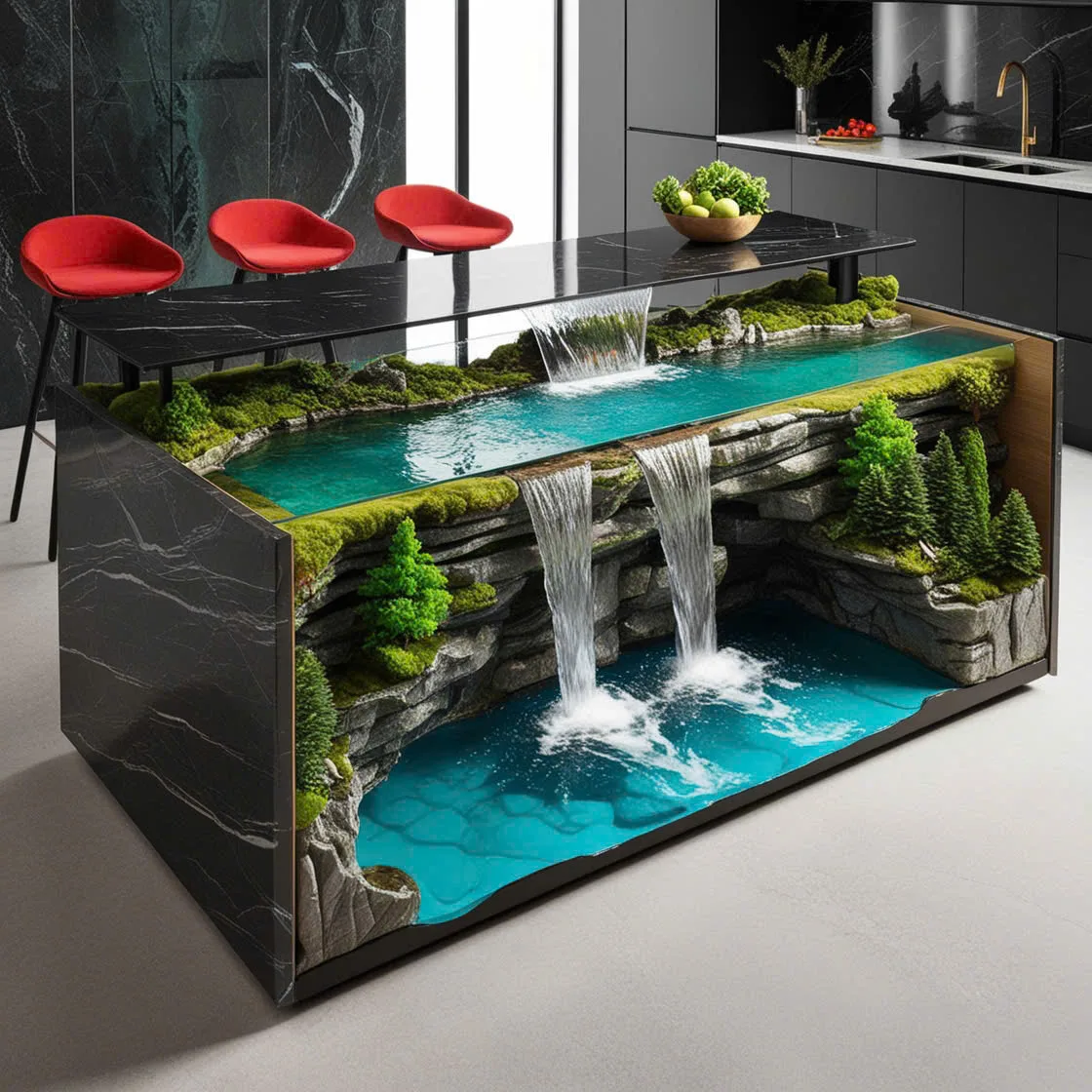
Designing a waterfall island also involves considering proportions—whether to opt for a full-height waterfall that reaches the ceiling or a partial one for a more subtle effect. Personalizing details such as rounded edges or integrated storage can further elevate the design.
Tips for Incorporating Waterfall Islands into Your Kitchen Layout
Integrating a waterfall island effectively requires thoughtful layout planning. First, decide on the island’s primary function—whether it’s for cooking, dining, or a combination—and then adjust its size accordingly.
Positioning the island centrally can create a natural flow within a large kitchen, allowing multiple work zones and easy access from all sides. If your space is smaller, a narrow waterfall island can serve as a functional partition without overwhelming the room.
Lighting plays a vital role; installing pendant lights above the waterfall extension enhances its visual appeal and provides practical illumination. Additionally, blending the island’s material with other elements in your kitchen—such as backsplash, flooring, or cabinetry—can establish a cohesive design theme.
Finally, consider the practical aspects, like plumbing and electrical outlets, which might be necessary for built-in appliances or lighting features. A well-planned waterfall kitchen island combines beauty with practicality, transforming your kitchen into a stylish and efficient environment.
Comparing Waterfall Kitchen Islands to Traditional Islands – Pros and Cons
While waterfall kitchen islands offer a contemporary aesthetic with several advantages, they are part of a broader landscape of kitchen island options. Comparing them to traditional islands highlights their unique features and helps determine their suitability for your needs.
Traditional kitchen islands generally feature a simple countertop with cabinetry or open shelves underneath. These are generally more versatile and easier to customize, making them suitable for varied styles and budgets.
Visual Impact and Aesthetic Flexibility
Waterfall islands deliver a high-impact visual statement, thanks to their sleek, uninterrupted surfaces and continuous material flow. This design approach lends itself best to modern, minimalist, and luxurious interior themes. Traditional islands, however, can range from rustic wood counters to colorful laminate surfaces, offering a broader spectrum of aesthetic options.
While traditional islands are adaptable to many styles, waterfall kitchen islands tend to anchor a space visually, creating a focal point that elevates the entire kitchen decor. For periods where a clean, seamless look is desired, waterfall islands shine.
Practicality and Maintenance
From a practical standpoint, waterfall islands tend to be more durable and easier to clean because of their continuous surfaces that lack joints or seams. This makes them less prone to dirt accumulation and easier to wipe down. Conversely, traditional islands with cabinets or joints might require more maintenance over time and can be less resistant to moisture or staining.
However, the material choice for a waterfall island matters. For example, a marble waterfall counter may require more delicate handling compared to quartz, which resists stains and scratches more effectively.
Cost and Installation Considerations
Waterfall kitchen islands, due to their complexity and material requirements, often come at a higher initial cost compared to traditional options. The fabrication process involves precise cutting and installation to achieve the seamless flow, which can increase labor costs.
Traditional islands are generally more straightforward to install, with modular components that are more economical and flexible. When planning a renovation, homeowners need to weigh these factors against desired aesthetics and maintenance habits.
In conclusion, waterfall kitchen islands excel in delivering a modern, high-end look and practical benefits, making them ideal for those seeking a statement piece. They are best suited to contemporary or minimalist designs, while traditional islands offer broader versatility and budget-friendly options.
Waterfall kitchen islands represent a bold and sophisticated approach to modern kitchen design, blending seamless aesthetics with functional advantages. Their flowing surfaces create a visually striking centerpiece that enhances both the beauty and practicality of your space, offering durability, ease of maintenance, and a refined appearance. Choosing the right material, thoughtful layout integration, and considering their comparison with traditional islands can help you make an informed decision. Whether you aim to achieve a minimalist elegance or make a design statement, waterfall kitchen islands have the potential to transform your culinary space into a luxurious, functional retreat that stands out for years to come.
Waterfall Kitchen Islands: Functionality Meets Style
Waterfall kitchen islands not only serve as a striking design element but also provide practical solutions to everyday kitchen use. Their unique construction, where the countertop material flows over the sides to create a seamless look, makes them appealing in various settings. These islands can be utilized in multiple ways, enhancing your kitchen’s functionality while staying on-trend.
Multi-purpose Use of Waterfall Islands
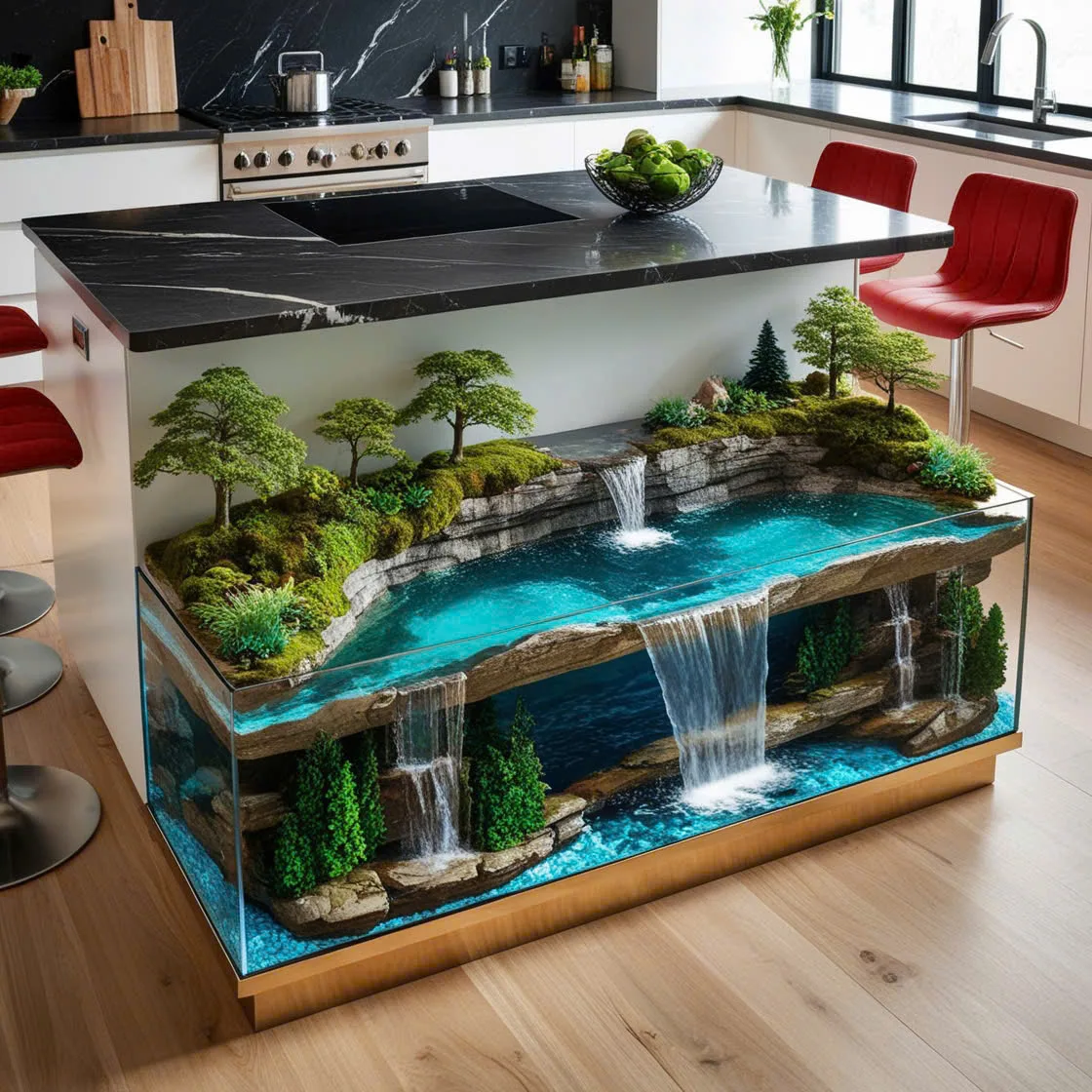
Waterfall kitchen islands can be tailored for a variety of functions, making them a versatile addition to any space. Depending on your needs, they can be used for dining, food preparation, or even as a workspace for paying bills or organizing family schedules. This adaptability makes them ideal for modern family lifestyles that require flexible kitchen areas.
When planning for a waterfall island, consider incorporating seating directly into the design. This not only provides additional dining space but can be tailored with comfortable bar stools or benches, creating a casual atmosphere for family meals or gatherings. The ability to transition from a cooking area to a social space is a hallmark of contemporary kitchen design, and waterfall islands perfectly embody this function.
Additionally, the waterfall design allows for creative features such as built-in storage or even hidden appliances. This maximizes your kitchen’s efficiency while maintaining a streamlined appearance. A waterfall island can effectively serve as a multifunctional hub that accommodates cooking, entertaining, and everyday living.
Enhancing Workflow and Space Efficiency
A well-placed waterfall island can improve the workflow within your kitchen. By positioning it near major work zones—like the stove, refrigerator, and sink—you can create a triangular workflow that streamlines cooking tasks. This arrangement minimizes unnecessary movement across the kitchen, making cooking and food preparation more efficient.
Furthermore, the presence of a waterfall kitchen island can help delineate spaces within an open-concept layout. Its design offers a subtle barrier that separates the kitchen from the living area, allowing for a natural flow of interaction without compromising the open feel. This makes it an ideal choice for homes where family gatherings and entertaining are part of daily life.
When integrating a waterfall kitchen island into your layout, consider factors such as size and proportion to ensure it harmonizes with surrounding furniture and appliances. Its design should enhance the spatial dynamics of your kitchen, making every inch count without sacrificing aesthetics.
Design and Material Selection for Waterfall Kitchen Islands
Creating a stunning waterfall island begins with choosing the right materials. Common options include quartz, marble, granite, and concrete, each offering unique visual and functional qualities.
Material Choices and Their Benefits
Quartz is popular for its durability and consistent appearance, making it ideal for everyday use. It mimics the look of natural stone without the maintenance hassles, providing a practical option for busy households.
Marble, with its timeless elegance, introduces an organic, luxurious vibe. However, it may require more maintenance, necessitating regular sealing to protect its surface from stains. Choosing marble means investing in beauty, one that lends sophistication to your kitchen.
Granite strikes a balance between durability and aesthetic appeal, commonly available in various colors and patterns. Its natural beauty is eye-catching and could fit seamlessly into both traditional and modern designs. On the other hand, concrete offers a modern, industrial look and a high level of customization, allowing for unique textures and finishes that can be tailored to your personal style.
Color and Finish Considerations
Color choice is equally crucial, as it impacts the overall harmony of your kitchen. Neutral tones like white, gray, or black create a minimalist look, providing a versatile backdrop that can easily adapt to changing trends or decor styles. Bold shades or patterned stones can add visual interest and personality, making a significant impact on your kitchen’s ambiance.
When selecting finishes, consider the surrounding features of your kitchen; they should complement, not clash. The waterfall island should aesthetically tie into cabinetry, backsplashes, or flooring for a cohesive design. This attention to detail ensures that the overall kitchen aesthetic is polished and intentional, enhancing both function and visual appeal.
Proportions and Personalization
Designing a waterfall island also involves considering proportions—whether to opt for a full-height waterfall that reaches the ceiling or a partial one for a more subtle effect. Personalizing details such as rounded edges or integrated storage can further elevate the design.
The proportion of the island should align harmoniously with the kitchen’s overall scale. A substantial, full-height waterfall could serve as a strong design focal point in a larger space, while a shorter version would suit smaller kitchens better by maintaining an open feel.
Incorporating personalized elements, such as built-in shelving for cookbooks or decorative items, can make your waterfall island not just beautiful, but functional too. It’s these bespoke touches that turn a standard kitchen feature into a unique centerpiece.
Tips for Incorporating Waterfall Islands into Your Kitchen Layout
Integrating a waterfall island effectively requires thoughtful layout planning. First, decide on the island’s primary function—whether it’s for cooking, dining, or a combination—and then adjust its size accordingly.
Strategic Placement for Flow and Accessibility
Positioning the island centrally can create a natural flow within a large kitchen, allowing multiple work zones and easy access from all sides. This placement encourages social interaction while cooking and provides ample space for multiple cooks to work side-by-side.
Conversely, in smaller kitchen spaces, a narrower waterfall island can still serve as a functional partition without overwhelming the room. It’s essential to ensure that the island does not obstruct pathways, allowing for free movement through your kitchen.
Enhancing Lighting and Cohesion
Lighting plays a vital role; installing pendant lights above the waterfall extension enhances its visual appeal and provides practical illumination. The right lighting can highlight the unique features of your waterfall island and set the mood for the entire kitchen.
Additionally, blending the island’s material with other elements in your kitchen—such as backsplashes, flooring, or cabinetry—can establish a cohesive design theme. This creates visual harmony and a polished look throughout the space.
Comparing Waterfall Kitchen Islands to Traditional Islands – Pros and Cons
While waterfall kitchen islands offer a contemporary aesthetic with several advantages, they are part of a broader landscape of kitchen island options. Comparing them to traditional islands highlights their unique features and helps determine their suitability for your needs.
Visual Impact and Aesthetic Flexibility
Waterfall islands deliver a high-impact visual statement, thanks to their sleek, uninterrupted surfaces and continuous material flow. This design approach lends itself best to modern, minimalist, and luxurious interior themes. Traditional islands, however, can range from rustic wood counters to colorful laminate surfaces, offering a broader spectrum of aesthetic options.
While traditional islands are adaptable to many styles, waterfall kitchen islands tend to anchor a space visually, creating a focal point that elevates the entire kitchen decor. For periods where a clean, seamless look is desired, waterfall islands shine.
Practicality and Maintenance
From a practical standpoint, waterfall islands tend to be more durable and easier to clean. Continuous surfaces without seams reduce dirt accumulation, making them easier to wipe down. Conversely, traditional islands with cabinets or joints might require more maintenance over time and can be less resistant to moisture or staining.
However, the material choice for a waterfall island matters immensely. For instance, while quartz is highly stain-resistant, marble is not and demands more careful handling.
Cost and Installation Considerations
Waterfall kitchen islands, due to their complexity and material requirements, often come at a higher initial financial investment. The fabrication process requires precise cutting and craftsmanship, which can increase costs. Homeowners need to weigh these factors against their desired aesthetics and maintenance habits.
Traditional islands are generally more straightforward to install and can be built from modular components more economically. This flexibility allows homeowners working within a tighter budget to find something suitable while still capitalizing on their style preferences.
In conclusion, waterfall kitchen islands excel in delivering a modern, high-end look and practical benefits, making them ideal for those seeking a statement piece. They are best suited to contemporary or minimalist designs, while traditional islands offer broader versatility and budget-friendly solutions.
Waterfall kitchen islands represent a bold and sophisticated approach to modern kitchen design, blending seamless aesthetics with functional advantages. Their flowing surfaces create a visually striking centerpiece that enhances both the beauty and practicality of your space, offering durability, ease of maintenance, and a refined appearance. Choosing the right material, thoughtful layout integration, and considering their comparison with traditional islands can help you make an informed decision. Whether you aim to achieve a minimalist elegance or make a design statement, waterfall kitchen islands have the potential to transform your culinary space into a luxurious, functional retreat that stands out for years to come.