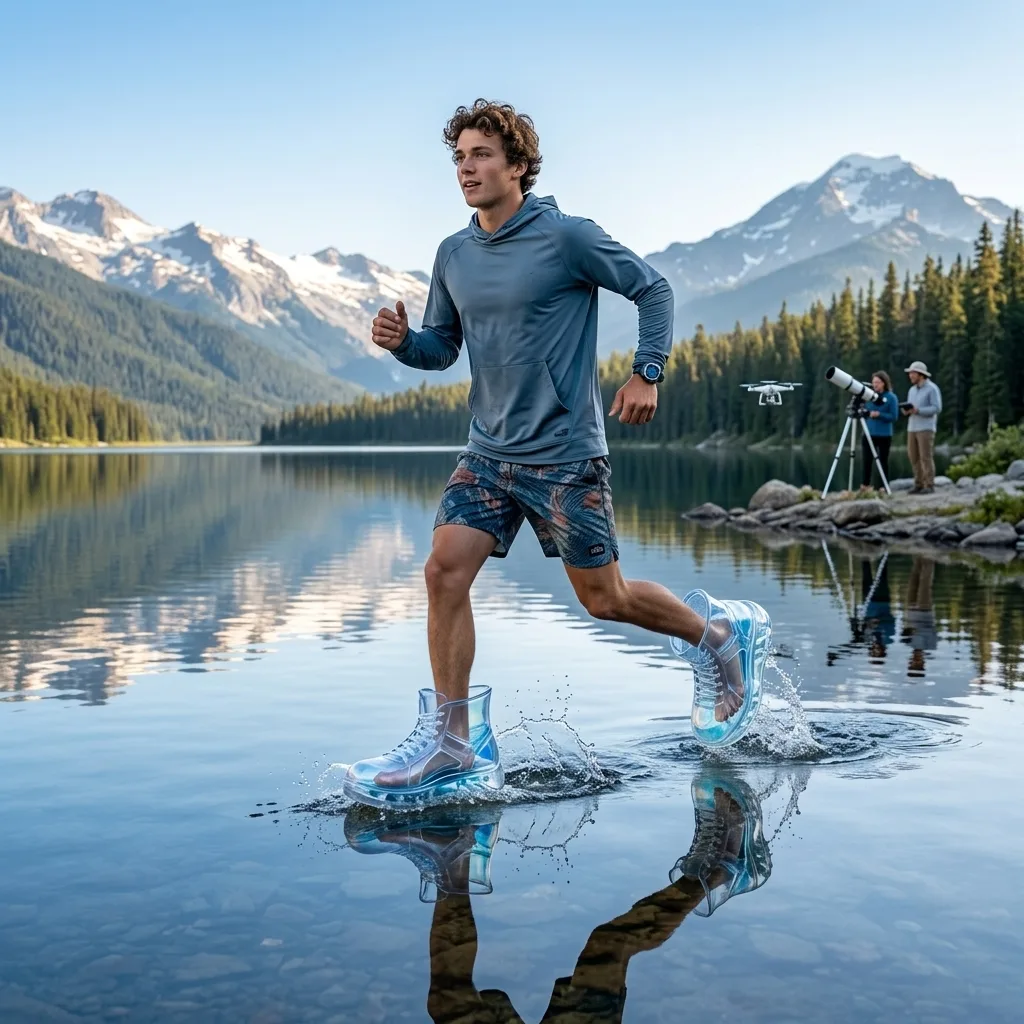

Water walking shoes are more than just a fashion statement—they’re essential gear for anyone who cherishes aquatic adventures. Whether you’re exploring rocky coastlines, wading through rivers, or simply enjoying a day at the beach, the right pair of water walking shoes can dramatically elevate your experience. These shoes provide comfort, safety, and functionality, making every splash and step more enjoyable.
In this article, we’ll explore the various aspects of water walking shoes, from how to choose the best pair to their practical uses and comparisons. You’ll discover how to maximize their benefits and gain insights into their different styles and features.
Understanding the Key Features of Water Walking Shoes
Choosing the right water walking shoes begins with understanding what makes them special and how their features contribute to performance and comfort. These shoes are specifically designed to handle wet environments while providing stability and foot protection.
Water Resistance and Quick-Drying Materials
Water walking shoes are built with water-resistant or quick-drying fabrics that prevent sogginess and promote comfort during prolonged use. These materials, often mesh or neoprene, allow moisture to escape while resisting water absorption, ensuring your shoes remain lightweight and dry swiftly after being submerged.
The importance of water resistance extends beyond comfort. Shoes that dry quickly and drain water effectively reduce the risk of blisters, fungal infections, and long-term foot issues. When selecting water walking shoes, look for those with well-ventilated uppers and smart drainage systems to keep your feet comfortable.
Traction and Non-Slip Soles for Safety
Navigating slippery rocks, wet wooden docks, or muddy riverbanks demands shoes with excellent grip. Water walking shoes feature specialized soles made from rubber or TPE (thermoplastic elastomer) with tread patterns designed for maximum traction.
These non-slip soles are crucial for safety, preventing unwanted slips and falls. Some shoes even incorporate textured patterns that mimic the natural grip of animal paws, enhancing stability on unpredictable surfaces. When choosing water walking shoes, consider the tread design and sole material to match your typical aquatic environment.
Comfort and Fit
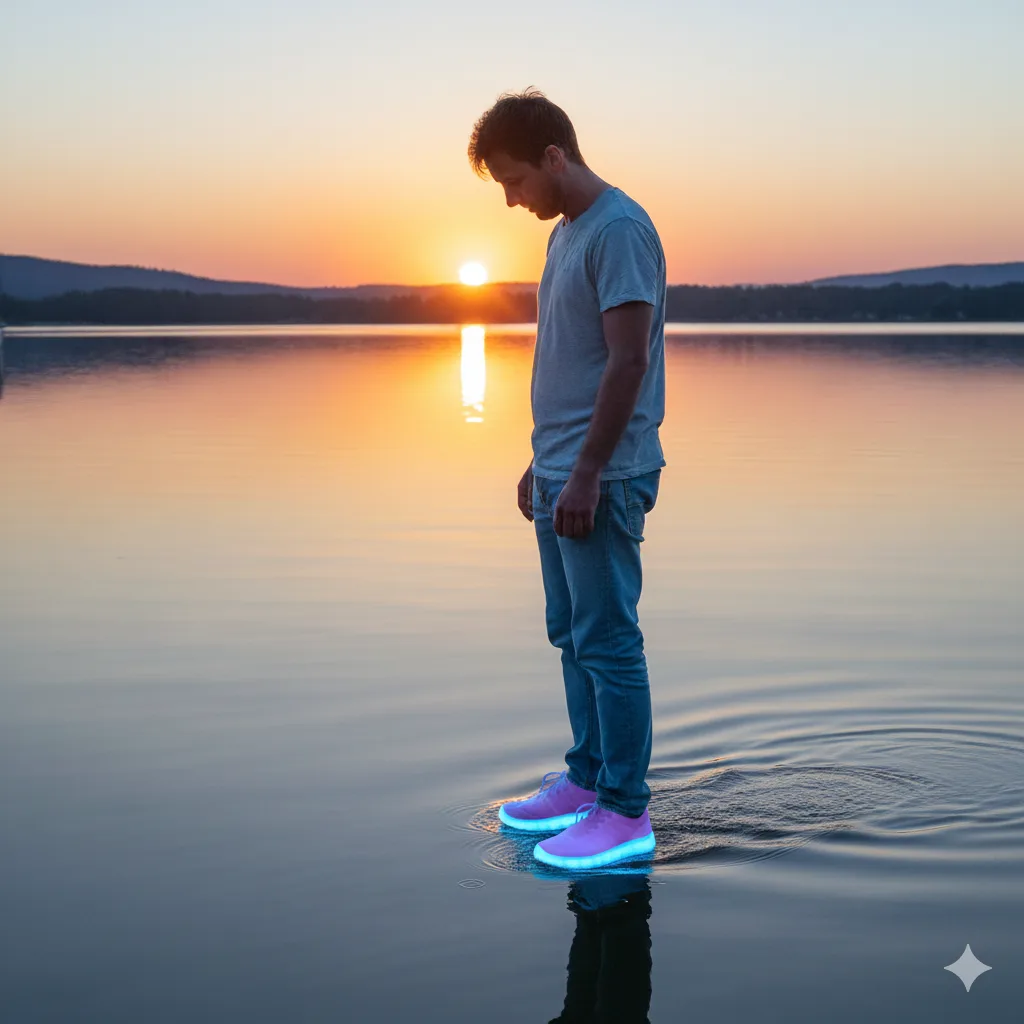
Comfort is paramount, especially if you plan to wear water walking shoes for extended periods. Good fit minimizes chafing and blisters, which are common with poorly fitted footwear. Many models include cushioned insoles, adjustable straps, or elastic closures to ensure a snug but comfortable fit.
Breathability also plays a role—shoes with perforations or airy designs prevent excess heat buildup and sweaty feet. When selecting shoes, try different sizes and styles, and consider the activity’s demands to find the perfect balance between comfort and support.
Best Practical Uses for Water Walking Shoes – Enhancing Your Aquatic Activities
Water walking shoes are versatile, serving a wide range of activities that involve contact with water or wet terrains. Understanding their practical applications can help you make informed decisions about when and how to use them.
Exploring Coastal Trails and Rocky Shores
Many outdoor enthusiasts love exploring rugged coastlines or rocky shores, but the uneven and often slippery surfaces pose risks. Water walking shoes provide the necessary grip and foot protection, enabling safer exploration.
In these environments, shoes with reinforced toe caps and sturdy soles are advantageous. Their drainage features allow water to escape, preventing the build-up of weight and discomfort during your hike. These shoes also shield your feet from sharp rocks and shells, adding an extra layer of safety.
Water-Based Sports and Activities
Whether you’re kayaking, paddleboarding, snorkeling, or jet skiing, having the right footwear can improve performance and comfort. Water walking shoes offer secure footing on slippery decks and wet surfaces, reducing the risk of accidents.
For instance, paddlers benefit from lightweight, fast-drying shoes that won’t hold water or add unnecessary weight. Similarly, swimmers or snorkelers wearing water shoes can transition smoothly from water to land without changing footwear, making them perfect for multi-activity days.
Relaxing at the Beach or Lake
Even casual beachgoers or lake visitors can benefit from water walking shoes. They provide protection against hot sand, sharp shells, and hidden debris while allowing for playful beach games or shoreline strolls.
They also prevent athlete’s foot and fungal infections by maintaining dry feet and preventing bacterial buildup. As a bonus, many designs are stylish enough to be worn casually, double-duty as everyday summer footwear.
Comparative Analysis of Water Walking Shoes – Features, Performance, and Pricing
Understanding how different brands and models compare can help you select the best water walking shoes suitable for your needs. Below is a comparative analysis based on key factors such as durability, comfort, price, and specialized features.
| Brand/Model | Material | Traction | Price Range | Special Features |
|---|---|---|---|---|
| AquaFlyer Pro | Neoprene + Mesh | Excellent | $50-$70 | Reinforced toe, quick-dry design |
| ReefRunner Lite | EVA sole + Rubber | Good | $30-$50 | Lightweight, breathable mesh |
| SeaQuest Adventure | Neoprene + TPR | Superior | $60-$80 | Extra ankle support, drainage ports |
| ShoreSprinter | Lycra + Rubber | Moderate | $20-$40 | Budget-friendly, slip-resistant sole |
Note: Prices may vary depending on the retailer or special offers.
When comparing water walking shoes, consider the balance between budget and features. High-end models often provide better durability and support, ideal for frequent water activities. Budget options can be sufficient for occasional use but may compromise on longevity or specific performance features.
It’s also wise to evaluate user reviews and expert opinions to understand real-world performance. This comparison table provides a snapshot, but personal preferences and specific needs should guide your final choice.
How to Use and Maintain Water Walking Shoes for Maximum Performance
Using water walking shoes effectively involves proper selection, correct usage, and maintenance practices that prolong their lifespan and ensure optimal performance.
Proper Fit and Activity Suitability
Always choose shoes that fit snugly without discomfort. Measure your feet regularly, as water shoes tend to stretch or compress during use. Remember that a slightly snug fit prevents blisters and ensures that your shoes stay in place during movement.
Matching the shoe’s features to the activity optimizes performance. For instance, rocky shoreline exploration benefits from shoes with reinforced soles and toe caps, while casual beach walks might only require lightweight, breathable designs.
Care and Maintenance Tips
After each water activity, rinse your shoes thoroughly with fresh water to remove salt, sand, or debris. Allow them to air dry in a well-ventilated area, avoiding direct sunlight or heat sources which can degrade materials.
Occasionally, treat your shoes with mild detergent and check for wear or damage. Replacing worn-out shoes promptly prevents discomfort and enhances safety during aquatic activities.
Accessories and Enhancements
Consider adding insoles or orthotics if you need extra arch support. Some users find that using anti-fungal sprays enhances foot hygiene and extends the lifespan of their water shoes.
Water walking shoes stand out as indispensable gear for anyone engaged in water-related activities—offering safety, comfort, and versatility. Their specialized features, from quick-drying fabrics to superior traction soles, make them suitable for exploring coastlines, engaging in water sports, or just enjoying a casual day at the beach. By understanding their core attributes and how to choose the right pair, users can significantly enhance their aquatic adventures. Proper use and maintenance further ensure longevity and peak performance, transforming the way enthusiasts enjoy water environments. Investing in quality water walking shoes is an investment in safety and enjoyment, opening doors to even more rewarding water escapades.
Overview of Water Walking Shoes
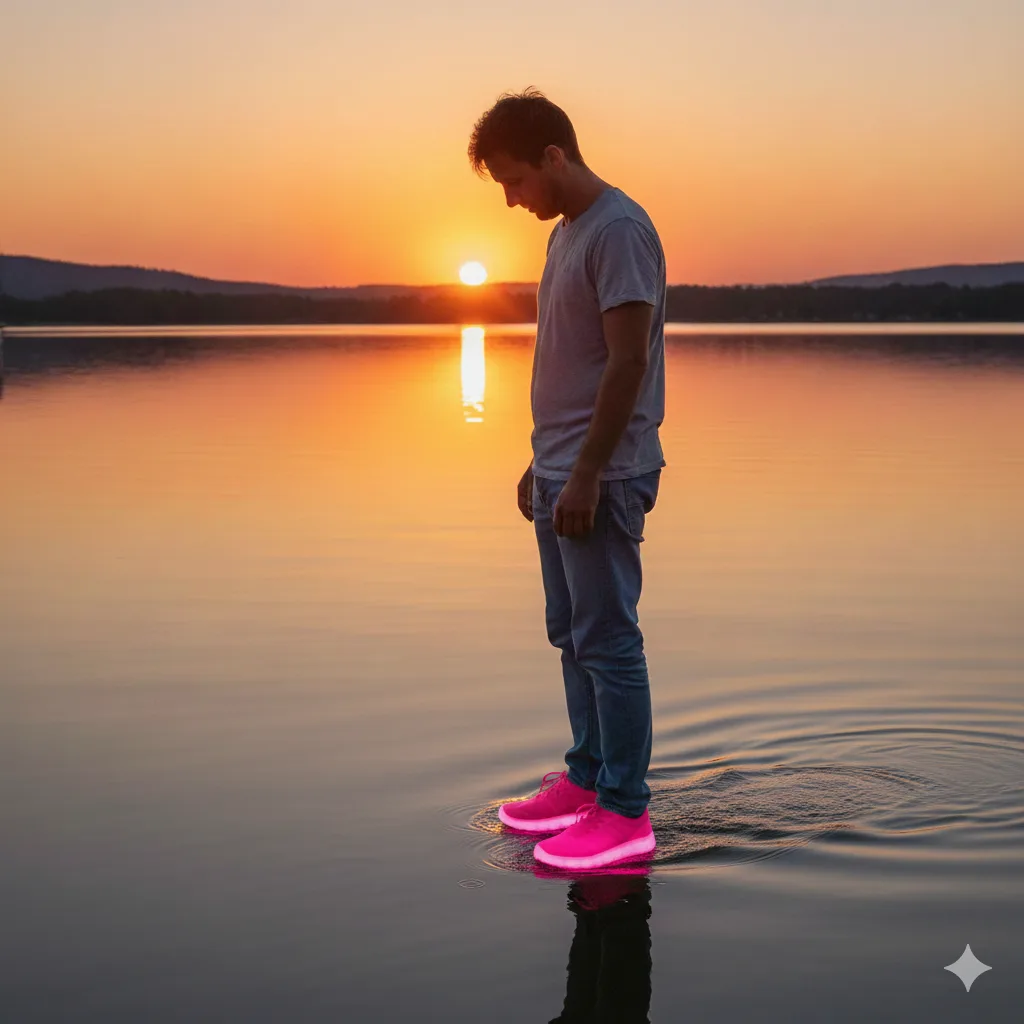
Water walking shoes have become essential for outdoor enthusiasts who revel in aquatic adventures. These specialized shoes are designed to provide comfort and protection while participating in a variety of water sports and activities. Unlike traditional footwear, water walking shoes are lightweight, quick-drying, and offer superior traction on wet surfaces.
The appeal of water walking shoes stems from their unique blend of features that cater to diverse activities such as kayaking, beach walking, snorkeling, and more. The designs often include drainage vents to prevent water buildup, neoprene or mesh materials for comfort, and rugged soles that provide grip on slippery terrain.
Moreover, these shoes play a pivotal role in ensuring foot health and safety during water-based activities. They help with stability, reduce the chances of slipping, and shield the feet from potential hazards like sharp rocks and hot sand. The dual-functionality of being a multi-purpose shoe for water and land activities makes them a popular choice for outdoor adventurers.
Essential Features of Water Walking Shoes
When selecting water walking shoes, several key features should be considered to ensure maximum comfort, performance, and safety.
Material Composition
The choice of material significantly impacts the shoe’s performance in water conditions. Most water walking shoes incorporate breathable materials such as mesh, which allows for quick drying while providing ventilation to prevent overheating. Neoprene is another common material that offers a snug fit and insulation during colder water activities.
Furthermore, effective drainage systems are crucial – shoes designed with perforations or drainage ports allow water to exit quickly while preventing stagnant water from weighing them down. This feature helps maintain comfort during extended use in wet environments.
Traction and Grip
Another vital factor is the traction provided by the shoe’s sole. Water walking shoes often feature rubber outsoles with patterns that enhance grip on various surfaces like wet rocks, sandy beaches, or boat decks. The design of the tread can mean the difference between a safe excursion and a slip or fall.
Choosing a shoe with superior traction is particularly important if your activities involve moving over rocky or unpredictable terrain. A well-designed outsole not only boosts performance but also enhances safety, allowing you to focus on your activity rather than worrying about foot stability.
Comfort and Fit Considerations
The importance of comfort and fit in water walking shoes cannot be overstated. A proper fit helps prevent blisters, discomfort, and performance issues, making your aquatic adventures more enjoyable.
Finding the Right Size
When purchasing water walking shoes, it’s essential to know your specific shoe size, as many designs may fit differently compared to regular footwear. Shoes that are too tight can cause pain and discomfort, while those that are too loose can lead to instability.
Testing shoes with a slightly snug fit is advisable since they often stretch when wet. Consider factors like your foot width and any extra cushioning needed for arch support to ensure the best possible fit.
Design and Functionality
Many water walking shoes now incorporate a range of design elements that cater to both performance and aesthetics. Look for features such as adjustable straps, slip-on designs, or even stylish color options that provide versatility for casual wear.
While functionality should remain a priority, personal style shouldn’t be ignored. Finding footwear that suits your taste can enhance your confidence and overall experience during outdoor activities.
Practical Uses of Water Walking Shoes
Understanding the various applications for water walking shoes can help potential buyers make an informed decision about what to look for and what brands may best suit their lifestyle.
Activities and Suitable Environments
Water walking shoes are versatile and can be used across a range of water-based activities. Whether exploring rocky beaches, hiking along coastlines, or engaging in intense water sports, the right shoes will enhance your experience.
Swimming and Snorkeling
When swimming or snorkeling, wearing water walking shoes can facilitate smoother transitions from land to water. Shoes equipped with quick-dry materials help keep discomfort at bay, allowing for on-the-go changes without the hassle of swapping footwear.
Moreover, they protect foot health by guarding against sharp objects or hot sand while providing a secure grip on boat decks or rocky shorelines.
Casual Beach Days
Even for those enjoying a leisurely day at the beach, water walking shoes can be advantageous. They allow for comfortable walks along the shore or dips into the water without worrying about the temperature of the sand or hidden debris.
Comfort and practicality can go hand in hand, as many designs suit casual wear and can transition from water activities to beachside gatherings seamlessly.
Choosing the Right Pair for Specific Activities
When selecting water walking shoes, aligning your choice with the intended activity is crucial. For instance, shoes built for hiking might include more robust soles, while those designed for casual beach use might prioritize breathability over aggressive tread.
Weight and Construction
When comparing options, consider the weight of the shoes as well. Lightweight models are preferable for extensive aquatic activities or hiking, while sturdier constructions may serve better in rugged environments or for specialized sports requiring more protection.
The customization of features based on individual needs can further optimize your experience. A comprehensive understanding of how these shoes fit into different activities will encourage more mindful shopping and ultimately lead to a more satisfying purchase.
Maintenance Techniques for Longevity
Once you’ve chosen a pair of water walking shoes, it’s essential to keep them in optimal condition to ensure longevity. Proper care can significantly extend their life and effectiveness.
Post-Activity Care
After engaging in water activities, rinse your shoes promptly with fresh water to remove salt, dirt, or sand. This simple step prevents material degradation over time and helps reduce odors caused by bacteria or mold development.
Allow your shoes to air dry naturally in a well-ventilated area avoided direct sunlight that can weaken materials. Occasionally, cleaning them with a mild detergent can keep them looking fresh and free from unwanted buildup.
Inspections for Wear and Tear
Regularly inspecting your footwear for signs of wear and tear is also critical. Look for stitches that are unraveling, soles that may be losing grip, or any punctures caused by sharp objects. Stringently replacing worn-out shoes can prevent discomfort and uphold high safety standards, ensuring that every aquatic venture remains enjoyable.
Water walking shoes stand out as indispensable gear for anyone engaged in water-related activities—offering safety, comfort, and versatility. Their specialized features, from quick-drying fabrics to superior traction soles, make them suitable for exploring coastlines, engaging in water sports, or just enjoying a casual day at the beach. By understanding their core attributes and how to choose the right pair, users can significantly enhance their aquatic adventures. Proper use and maintenance further ensure longevity and peak performance, transforming the way enthusiasts enjoy water environments. Investing in quality water walking shoes is an investment in safety and enjoyment, opening doors to even more rewarding water escapades.