When considering natural elements that bring durability, aesthetic appeal, and a touch of ancient charm to our spaces, stone stands out as an unmatched choice. From landscapes to luxurious interiors, the versatile use of stone has cemented its place in both functional and artistic domains. Its natural texture and enduring nature make it a preferred material for homeowners and designers alike. Whether you’re contemplating building an outdoor patio, installing captivating epoxy floors, or creating a rustic feature wall, understanding stone and its various applications can elevate any project with timeless elegance.
Stone
Stone is one of the earliest durable materials used by humans, dating back thousands of years. Its ability to withstand the test of time, weather, and wear renders it ideal not only for construction but also for decorative purposes. Modern use has expanded beyond traditional bricks and tiles into innovative design forms, showcasing its adaptability and aesthetic flexibility.
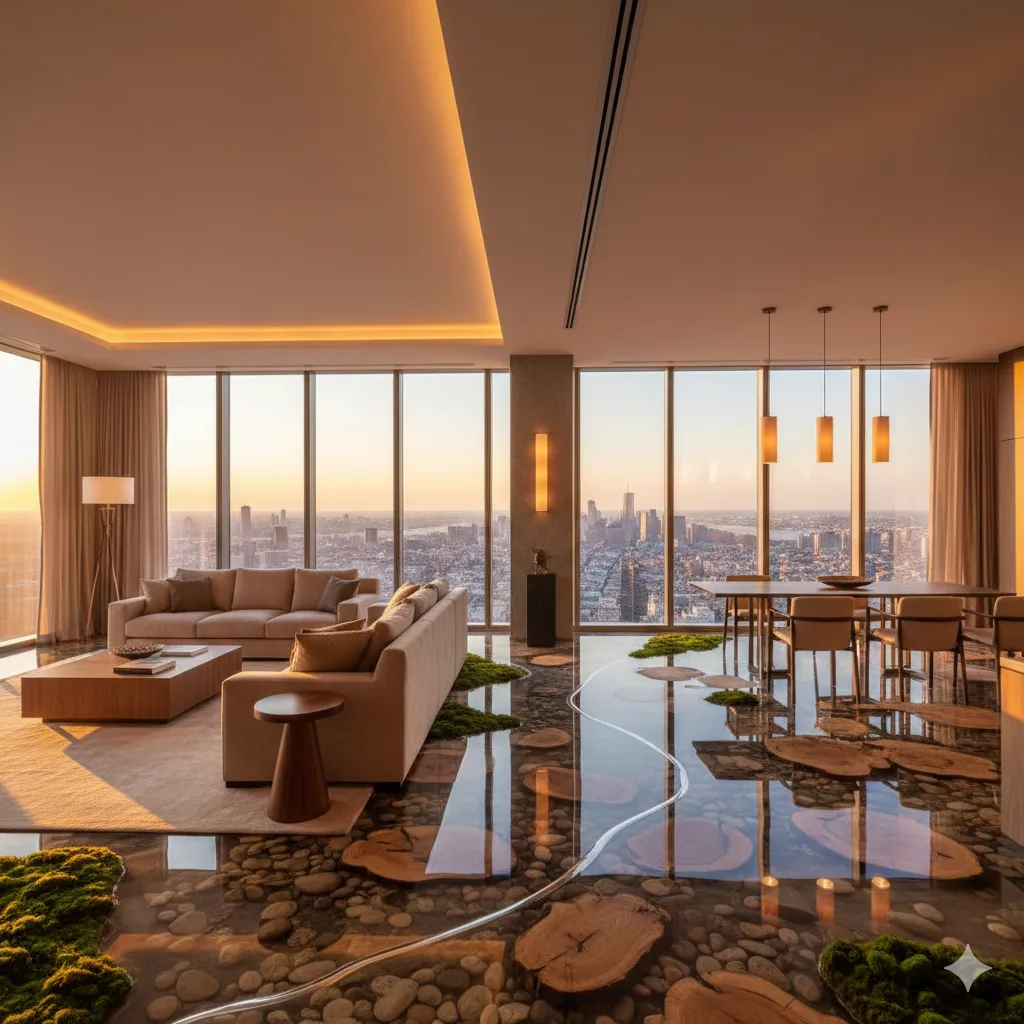
Before diving into the specifics, it’s essential to understand the fundamental qualities of stone. Its natural variations in color, grain, and texture can translate into unique visual patterns, making every installation a one-of-a-kind artwork. Using stone in your project offers more than durability; it provides a connection to nature and history. From ancient castles to contemporary art installations, stone remains a timeless element in architecture.
The Many Uses of Stone in Modern Architecture
Stone can be employed in an array of architectural and decorative applications, from building facades and retaining walls to garden pathways and sculptures. Its capacity to blend seamlessly with other natural elements—like moss, wood, or metal—creates harmonious outdoor environments that age gracefully over time. For indoor design, stone can serve as flooring, countertops, or accent walls, adding texture and sophistication to a space.
The versatility of stone allows for varying levels of polish, from highly refined and glossy surfaces to raw and rugged textures. This spectrum enables designers and homeowners to match stone’s appearance with any style, from rustic to contemporary. For example, a polished stone floor can lend a sleek, modern vibe, while natural, uncut stone can evoke a more rustic or traditional ambiance.
Practical Considerations and Maintenance Tips
When choosing stone for your project, consider the specific properties of different types—granite, limestone, marble, or sandstone—each offering distinct advantages. For instance, granite’s resistance to scratches makes it ideal for high-traffic floors, whereas marble’s elegance is suited to luxurious accents but requires more upkeep.
To maximize stone‘s longevity, regular cleaning with gentle, pH-neutral products is recommended. Sealing porous stones can prevent staining and water damage, especially in outdoor environments exposed to the elements. Personal advice suggests selecting appropriate stone finishes depending on use; honed surfaces for comfort and slip resistance, or polished finishes for elegance.
Stone can be combined with other natural elements like moss or wood slabs to craft organic yet refined environments that stimulate both the eye and the touch. As an example, pairing moss with stone creates a lush, tranquil garden flooring, while stone accent walls with embedded moss evoke a mysterious, enchanted forest feel.
Moss
Moss is a captivating plant known for thriving in shady, moist environments, offering lush greenery that appears almost like a living carpet. Its natural properties make it an excellent companion to stone in landscaping, creating a harmonious blend of textures and colors that bring outdoor spaces alive with vibrancy.
Adding moss to stone surfaces transforms ordinary features into breathtaking focal points. For instance, moss-covered stone walls or pathways evoke ancient, enchanted gardens that invite exploration and contemplation. Beyond aesthetics, moss also plays a role in eco-friendly landscaping by fostering biodiversity and reducing maintenance needs.
The Benefits of Incorporating Moss with Stone Elements
Moss is an excellent choice for outdoor or indoor decoration due to its low maintenance and eco-friendly nature. When combined with stone, it can provide a soft, natural contrast to the hard, sturdy texture of the rock, enhancing the visual appeal. Such combinations are used widely in Japanese gardens, Zen landscapes, and even modern green walls.
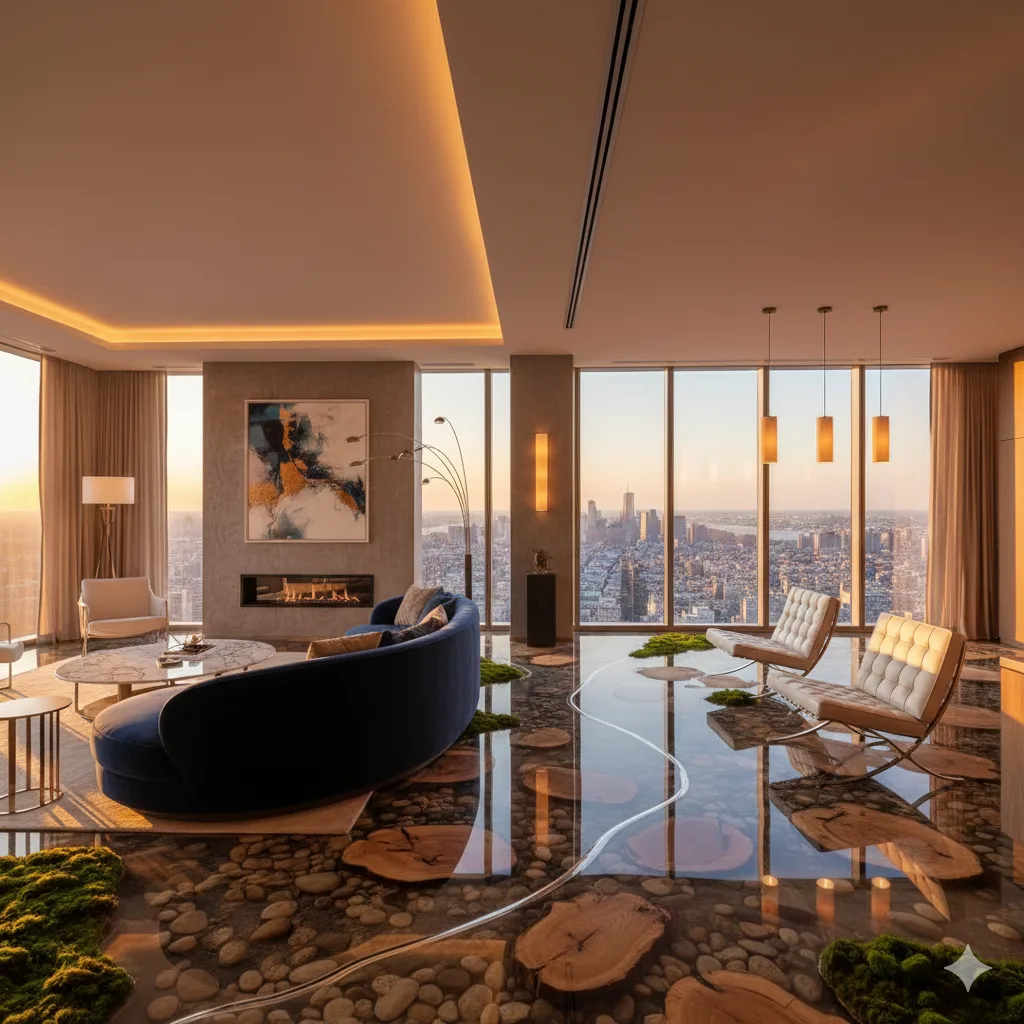
One of moss’s key advantages is its ability to thrive with minimal care once established. It naturally absorbs moisture from the environment, reducing the need for irrigation. For this reason, moss on stone fixtures minimizes the need for chemical treatments or fertilizers, aligning with sustainable gardening principles. To maintain moss on stone, ensuring proper shade and moisture levels is crucial, especially in drier climates.
Creative Uses of Moss and Stone in Design
In practical terms, moss can be applied to stone steps, garden borders, or even sculptures to suggest age and serenity. The visual depth created by moss growing on stone surfaces introduces a sense of history and timelessness to any space. For example, moss-adorned stone sculptures serve as tranquil focal points in gardens and outdoor seating areas.
By integrating moss with stone, gardeners and designers can craft living walls that evolve over time. The combination offers not only beauty but also environmental benefits like improved air quality and habitat creation. If you are considering moss on stone for a project, take advantage of its ability to soften harsh outdoor features while adding a touch of natural elegance.
Wood Slab and Epoxy Floors
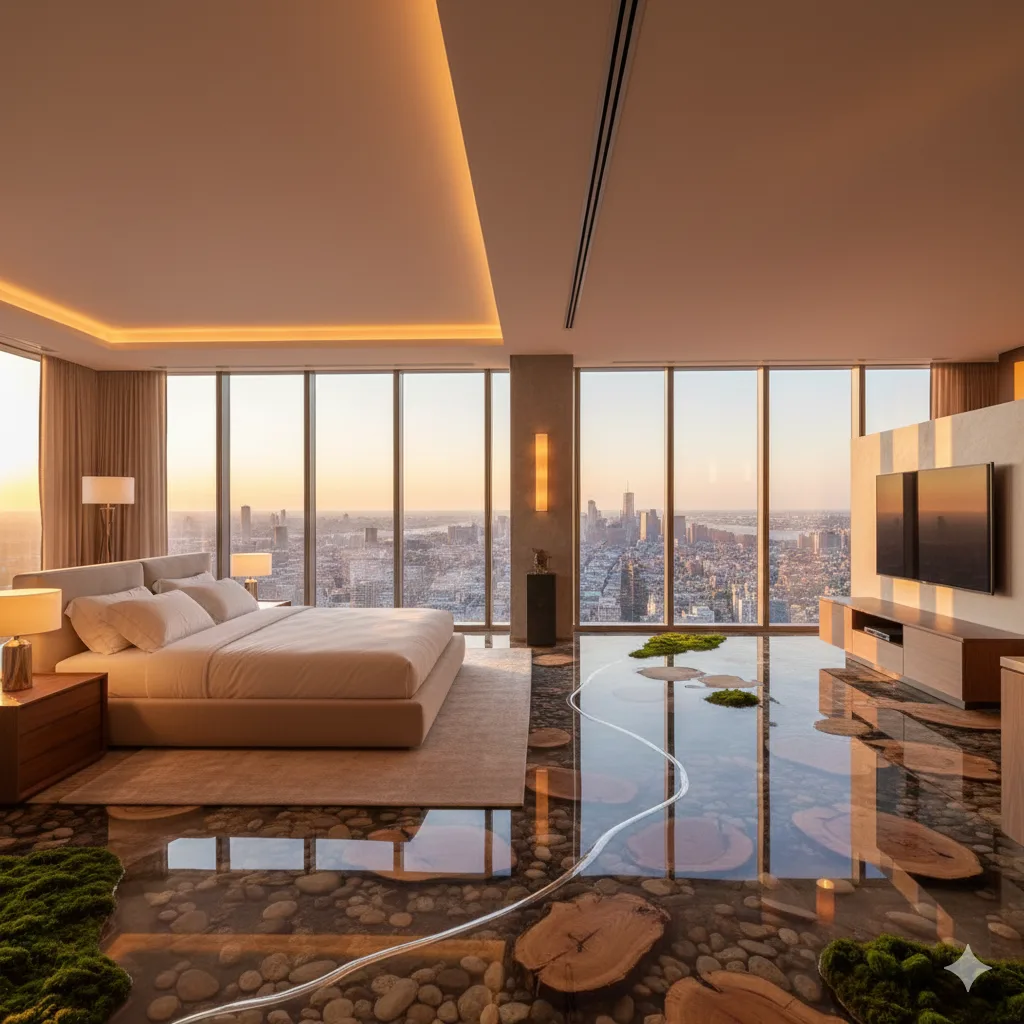
Natural materials like wood slabs and epoxy floors are increasingly popular in contemporary interior design. The juxtaposition of organic wood with the sleek, durable nature of epoxy floors can create striking visual contrasts, resulting in warm yet modern aesthetics.
Wood slabs bring texture, warmth, and natural beauty to spaces, while epoxy floors offer a seamless, high-gloss finish that reflects light, making rooms appear larger and more open. This pairing is especially suited for open-plan living, creative studios, or boutique retail spaces where style and function intersect.
Crafting Unique Spaces with Wood Slab and Epoxy Floors
Incorporating wood slabs into floors or countertops lends an artisanal feel that modern epoxy floors can complement with their smooth, durable surface. The combination allows for personalization, as no two wood slabs are exactly alike. This organic element can serve as a focal point or a subtle accent, offsetting the cool glossiness of epoxy floors.
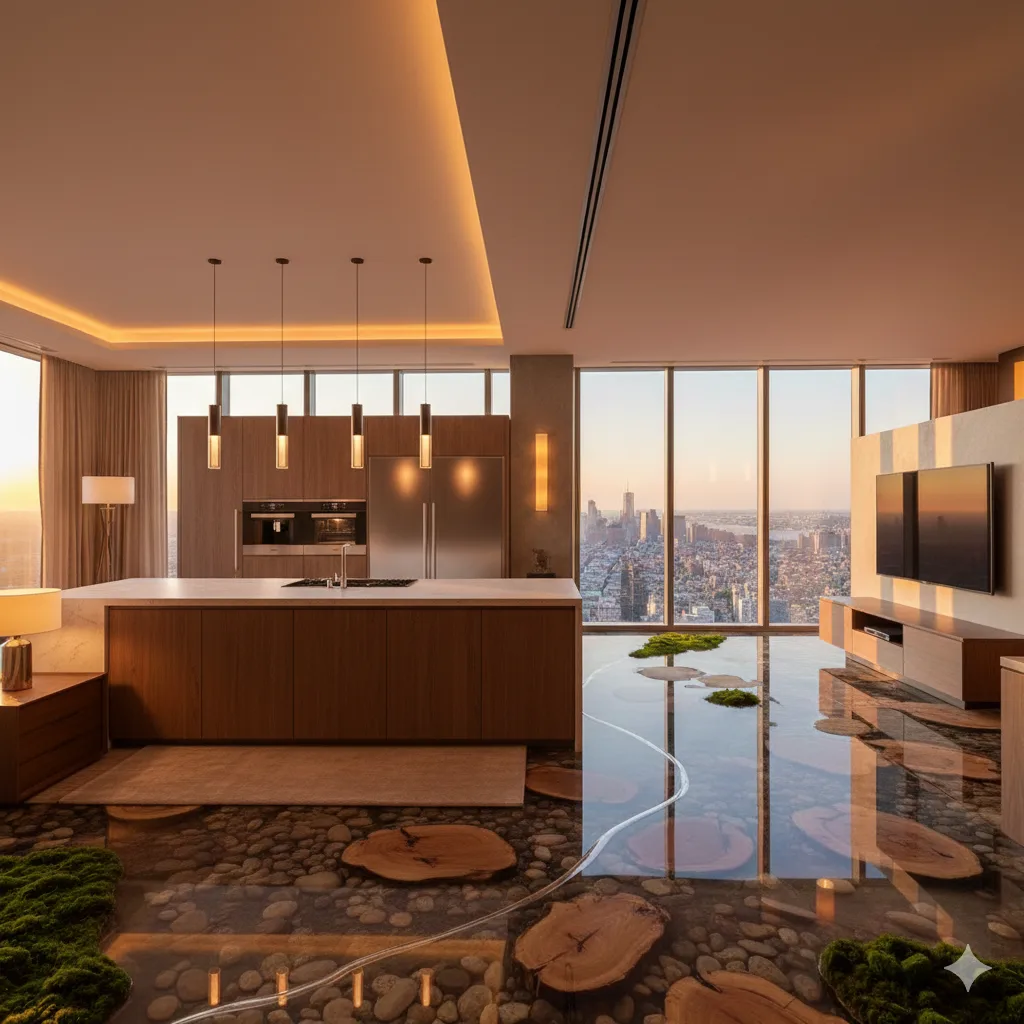
Designers often embed wood slabs into epoxy floors, sealing the wood in clear resin to protect against moisture and wear. This technique results in a seamless surface that highlights the natural grain of the wood while maintaining the resilience of epoxy. Personal insights suggest that choosing a rich, textured wood slab can add warmth and character to a contemporary interior.
Advantages and Maintenance of Wood and Epoxy Combinations
The marriage of wood slabs and epoxy floors creates resilient and visually engaging surfaces. Epoxy floors are resistant to stains, scratches, and water, making them ideal for busy spaces. When combined with wood, they can balance aesthetic appeal with practical durability.
Maintenance typically involves regular dusting and occasional gentle cleaning with non-abrasive products. Ensuring proper sealing and addressing any damage promptly can extend the life of such floors. Personal advice includes selecting wood slabs with natural imperfections or live edges to preserve authenticity and a rustic charm.
This flooring approach offers versatility: you can choose to have wood slabs as central features or scattered accents throughout a minimalist epoxy surface. This fusion exemplifies how natural and synthetic materials can coexist to produce artistic, durable, and functional interiors.
Conclusion
In summary, the natural strength and beauty of stone, coupled with elements like moss, wood slab, and epoxy floors, open boundless possibilities for both outdoor and indoor design. Whether constructing a rustic pathway, creating a lush moss garden with stone features, or designing modern interiors with wood slabs and epoxy floors, embracing these materials can result in spaces that are not only durable but also rich in character and aesthetic appeal. The interplay between natural textures and modern finishes allows for innovative design expressions, turning functional elements into stunning art forms that stand the test of time.
Stone
Stone has been a vital material in architecture and design for centuries, prized for its durability, aesthetic appeal, and natural abundance. Today, its applications range from grand structures to subtle garden features, making it a versatile choice for landscape and interior designers alike. The appeal of stone lies not only in its robust physical properties but also in its organic beauty and timeless nature.
When thinking about how to use stone, one must consider its various forms—granite, marble, slate, and sandstone—each bringing unique textures and colors to a project. Additionally, stone can be cut into various shapes and sizes, making it adaptable to a plethora of styles, be it rustic, modern, or somewhere in between. It is essential, when selecting stone, to think about where it will be used, as the appropriate choice can significantly enhance the overall aesthetic of a space.
Understanding the Properties of Stone
Stone is a natural material that offers an array of advantages, including exceptional strength and longevity. Unlike other materials, stone resists decay and weathering more effectively, making it ideal for outdoor applications such as walkways, patios, and building facades. Furthermore, stone retains heat in cooler temperatures and remains cool in warm climates, providing comfort in extremities of weather.
Moreover, the moisture resistance of stone makes it perfect for creating both functional and aesthetic elements in gardens and landscapes. It can absorb and shed water without degrading, leading to minimal maintenance once appropriately installed. The natural variations in color and texture inherent to stone also mean that every piece is unique. This uniqueness provides depth and character to any design, making stone not just a functional building block but also a statement piece.
Creative Applications of Stone in Design
There are countless ways to creatively incorporate stone into a space, both indoors and outdoors. For instance, stone can be used in constructing distinctive fire pits, providing a gathering area that adds warmth and ambiance to outdoor spaces. It can also form elegant water features, such as fountains or ponds, that provide a tranquil atmosphere and enrich the sensory experience of a garden.
For interior spaces, stone serves as a robust material for countertops, flooring, and accent walls. Imagine a kitchen embellished with stunning granite countertops or a cozy living room accentuated by a fireplace crafted from locally sourced stone. These choices add not only visual interest but also intrinsic value to the home. Designers can also opt for dry-stacked stone walls, which create rustic charm and are highly durable, standing the test of changing weather and time.
Moss
Moss is a captivating plant, renowned for its ability to thrive in shaded, moist environments. It offers lush greenery, turning outdoor and indoor spaces into dynamic living landscapes. The unique texture and vibrant color of moss can create visual contrasts, especially when paired with traditional materials, enhancing the overall appeal of gardens, walkways, and outdoor designs.
Incorporating moss into landscapes or interior designs adds a layer of natural beauty that breathes life into both urban and rural settings. It serves not only an aesthetic role but can also contribute to the environmental health of an area. Moss helps retain moisture and improves air quality, making it a wonderful addition to eco-conscious designs aimed at promoting sustainability.
The Benefits of Incorporating Moss with Stone Elements
One of the greatest advantages of using moss alongside stone is the remarkable visual harmony it creates between soft and hard elements. The juxtaposition allows designers to craft spaces that feel both grounded and organic. For instance, moss growing on weathered stone steps or garden beds can create a fairytale-like ambiance, evoking feelings of serenity and timelessness.
Moreover, moss is incredibly low-maintenance once it is established. It captures moisture from the air and absorbs rain, reducing the need for irrigation. This resilience is a boon for gardeners seeking sustainable options. In areas where temperatures fluctuate or water is scarce, creating a stone pathway adorned with moss can provide both a functional route and a lush, inviting atmosphere without much upkeep.
Creative Uses of Moss and Stone in Design
When considering the aesthetic applications of moss with stone, the possibilities are near limitless. Designers have embraced moss-covered stone walls, which create lush greenery that evokes tranquility. The combination can transform regular pathways into enchanting walks through imaginary forests.
Moss can also cover outdoor sculptures and garden features, thereby enhancing their beauty and allowing them to blend seamlessly into a natural environment. Additionally, moss art installation has gained popularity in contemporary design. Placing moss in stone frames or incorporating it into retaining walls can create a stunning contrast that demands attention.
As an interactive green design element, moss can also stimulate conversation and engage visitors in appreciation for nature. Those deliberating over a landscaping project would find that combining stone and moss can yield timeless and multiple layers of enjoyment and beauty.
Wood Slab and Epoxy Floors
Natural materials like wood slabs and epoxy floors have taken the interior design world by storm, creating visually dynamic and functional living spaces. The juxtaposition of warm, organic wood slabs with sleek, glossy epoxy floors offers a striking balance that appeals to both minimalist and maximalist aesthetic sensibilities. This pairing allows designers to explore new avenues of creativity while enhancing both style and durability.
Wood slabs provide an artisanal touch, often displaying unique grain patterns and textures that tell the story of the tree from which they were sourced. In contrast, epoxy floors offer a modern, seamless appearance that can be customized with various colors and finishes. The use of epoxy can enhance the beauty of wood slabs, ensuring surfaces are easy to clean and maintain.
Crafting Unique Spaces with Wood Slab and Epoxy Floors
Integrating wood slabs with epoxy floors opens the door to innovative design solutions. For instance, one could create a stunning bar top or dining table that seamlessly melds wood with an epoxy finish. This combination not only showcases the natural beauty of the wood but also fortifies it against spills and stains, making it an excellent choice for high-traffic areas.
Designers can also employ wood slabs as unique accent pieces in a sea of epoxy floors. A live-edge wood slab juxtaposed against a bright, solid-color epoxy surface can harmonize rustic charm with modern sophistication. Similarly, creating embedded decorative elements, such as river stones or colored glass within glossy epoxy, alongside wood slabs, can amplify the visual experience.
Advantages and Maintenance of Wood and Epoxy Combinations
The collaboration of wood slabs and epoxy floors produces a durable surface that doesn’t sacrifice style for functionality. Epoxy is naturally resistant to moisture, dirt, and spills, making it particularly suitable for areas such as kitchens and bathrooms. With minimal maintenance, these floors can retain their brightness and sheen, appealing to homeowners who value aesthetics without a burdensome upkeep routine.
Regular maintenance for wood slabs sealed under epoxy involves simple cleaning measures, such as sweeping or mopping with gentle cleaners. Moreover, selecting high-quality materials great care can prevent wear and damage, extending the lifespan of the features significantly.
For those contemplating this beautiful flooring combination, personal insights suggest embracing the variations in wood, choosing pieces that showcase natural imperfections. The end result produces unique, one-of-a-kind spaces, bringing warmth and a personal touch to any interior.
In summary, the natural strength and beauty of stone, combined with elements like moss, wood slab, and epoxy floors, open boundless possibilities for both outdoor and indoor design. Whether constructing a rustic pathway, creating a lush moss garden with stone features, or designing modern interiors with wood slabs and epoxy floors, embracing these materials can result in spaces that are not only durable but also rich in character and aesthetic appeal. The interplay between natural textures and modern finishes allows for innovative design expressions, turning functional elements into stunning art forms that stand the test of time.