Turning Yard Work Into Leisure
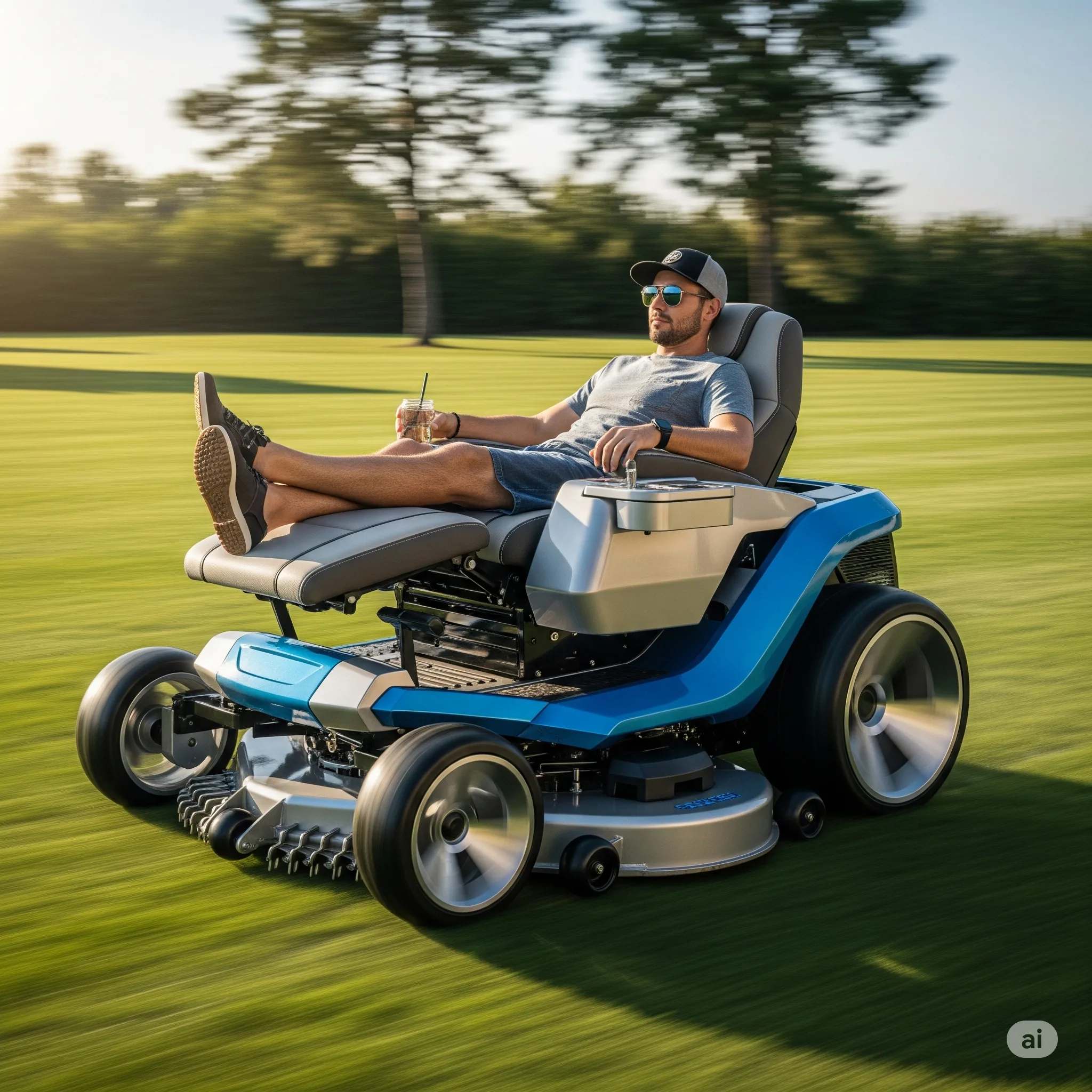
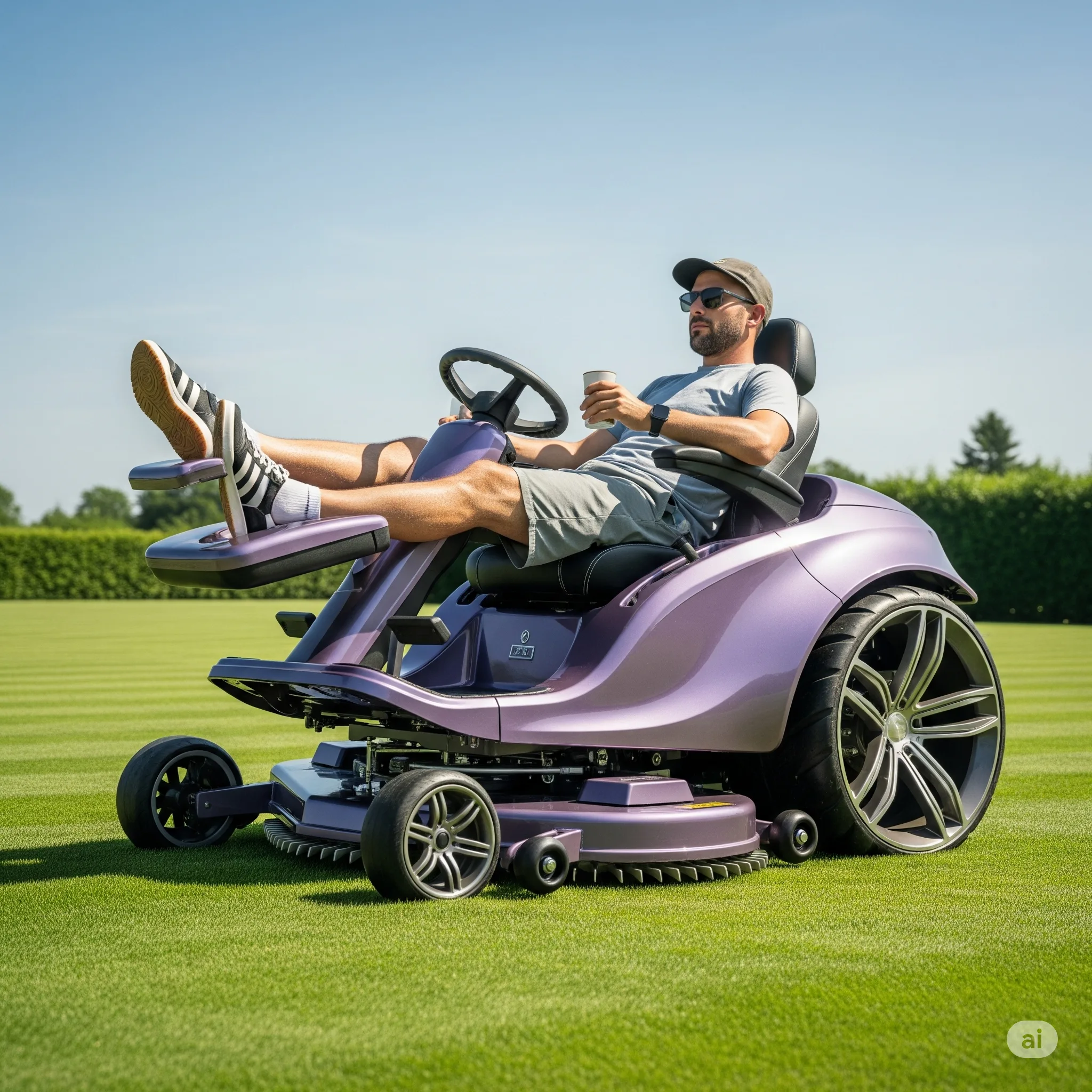
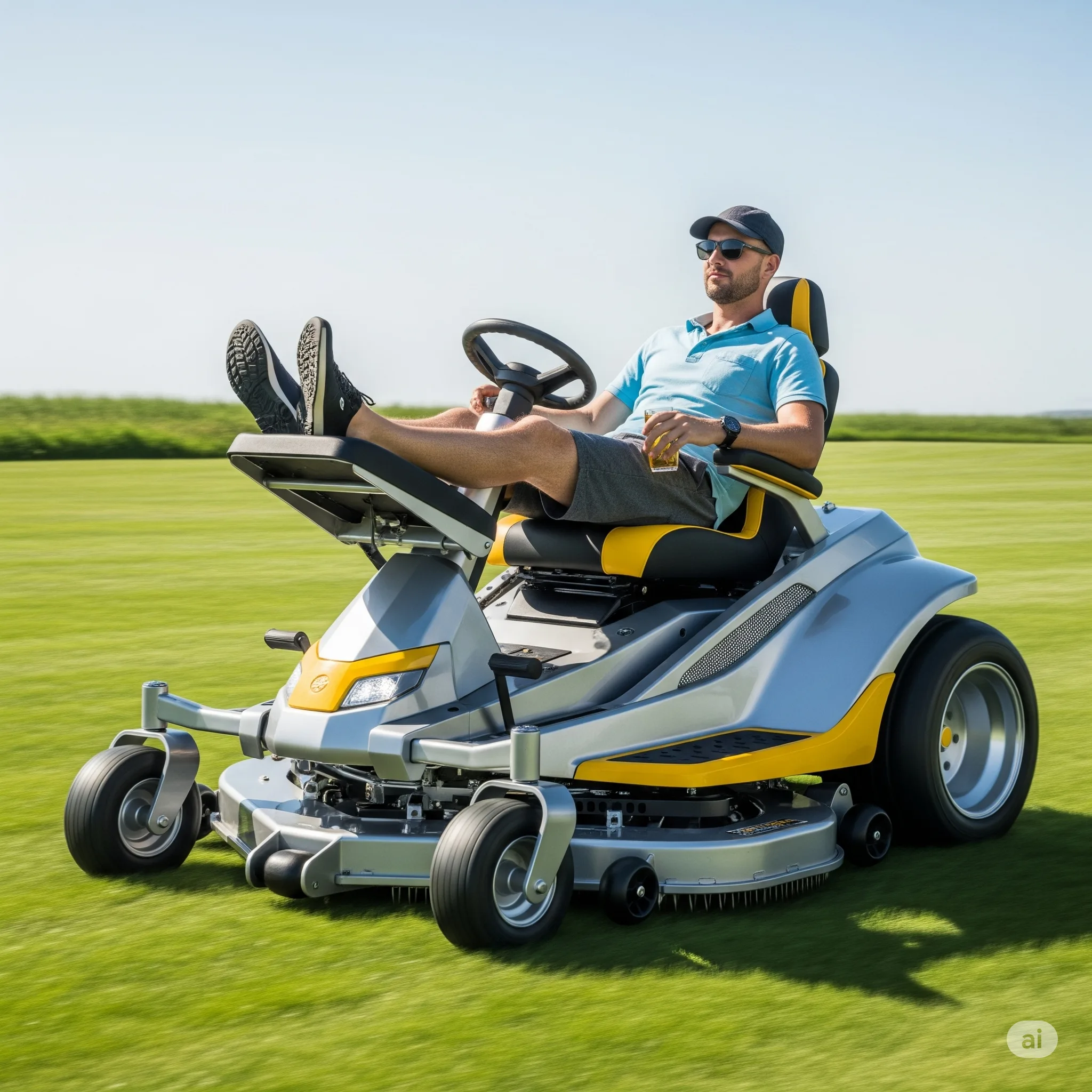
Mowing the lawn is one of those chores most homeowners accept with resignation. It’s repetitive, physically demanding, and can leave your back and shoulders aching for days. What if the machine you use to tame the grass treated you like the valuable asset you are? Enter the recliner lawn mower: a ride-on mower or tractor whose operator seating ahttps://design.hudistore.com/recliner-lawn-mowers/nd cockpit design put ergonomics, posture, and vibration isolation first. It’s not a gimmick. A recliner lawn mower reframes mowing from “necessary work” into a far less punishing, more sustainable activity—one that helps you mow longer, feel better afterward, and maintain a higher quality of cut because fatigue is reduced.
This article explains why a recliner lawn mower can be the perfect and unique choice for homeowners, landscape professionals, and anyone who spends meaningful time on the grass. We’ll define what a recliner lawn mower is, dive deep into the seating and suspension technologies that make them special, map the types and use cases, and give practical guidance on buying, retrofitting, maintenance, safety, and cost-benefit analysis. Whether you’re considering an ergonomic upgrade, comparing commercial fleet options, or simply curious about how better seats can transform a weekend chore, this guide will equip you to make an informed choice.
What is a recliner lawn mower?
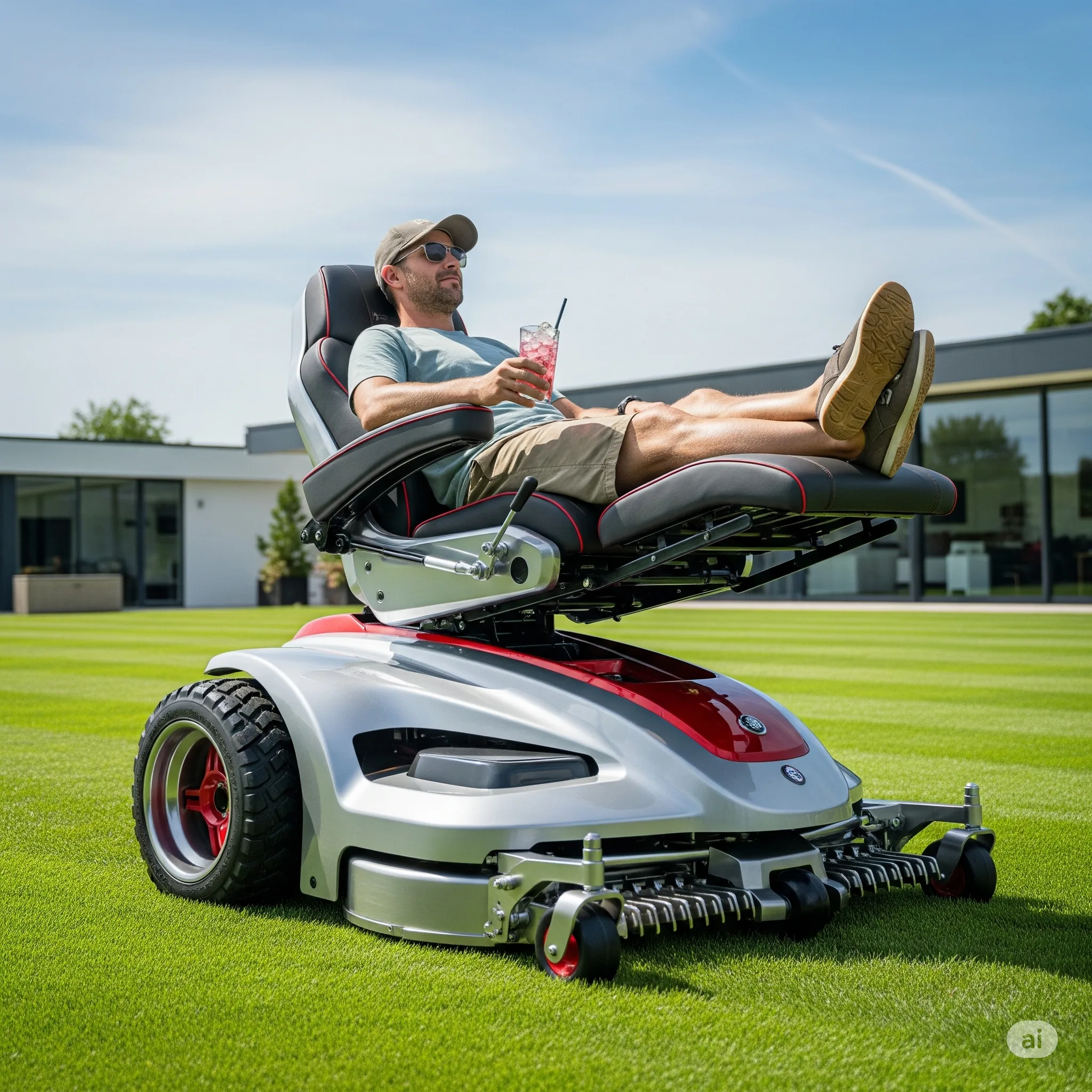
A recliner lawn mower is a ride-on mower that incorporates a seat designed to recline and support the operator’s spine in multiple positions, usually combined with enhanced seat suspension and ergonomic cockpit layout. Unlike standard bench seats, reclining seats are engineered to distribute pressure across a larger surface, reduce lumbar strain, and decouple vibration from the operator’s body. On higher-end models, recline features integrate with adjustable lumbar support, armrests, seat heating/ventilation, and even powered adjustments. In many commercial or utility units, recliner seats are paired with larger chassis suspension and vibration dampers to create a truly cushioned, low-fatigue experience across extended shifts.
Recliner features can be factory installed as part of premium packages or retrofitted to many existing ride-ons using industry-standard upgrade kits—so the concept applies from small zero-turn mowers to compact utility tractors.
Why comfort matters: health, safety, and productivity
Comfort is more than luxury. The science of ergonomics and occupational health shows that prolonged sitting under vibration and poor posture contributes to:
- Lower-back pain and disc compression, driven by sustained lumbar loading.
- Shoulder, neck, and wrist strain from reach and poor control placement.
- Whole-body vibration (WBV) exposure leading to fatigue and long-term musculoskeletal issues.
- Decreased situational awareness and slower reaction times caused by operator discomfort.
A recliner lawn mower addresses these factors by redistributing load, reducing transmitted vibration, and allowing the operator to change posture. The benefits are measurable in real life: longer mowing sessions with less discomfort, fewer pauses and breaks, fewer complaints of soreness after work, and for commercial operations, lower ergonomic injury claims and higher crew retention. Comfort thus becomes a form of performance optimization rather than indulgence.
Core seating technology: what makes a seat a “recliner”
Not all recliner seats are equal. Look for the following engineering elements when assessing a recliner lawn mower:
- Multi-position recline mechanism — Gas-assisted struts or damped pistons that allow smooth, lockable recline across several angles instead of a single fixed tilt.
- Adjustable lumbar support — Mechanical dial or pneumatic bladder to tune support to the individual operator’s lower back curvature.
- Layered cushioning — A firm high-density foam core for posture and a softer memory-foam top layer for pressure relief.
- Seat suspension — Isolators, coil springs, or hydraulic dampers beneath the seat to mitigate whole-body vibration and shocks from uneven terrain.
- Armrests and side bolsters — Foldable armrests that reduce shoulder tension and help with steering stability.
- Ergonomic contouring — A shaped seat pan to reduce forward sliding and support the pelvis and thighs properly.
- Breathable upholstery — Perforated vinyl, mesh, or climate-controlled leather to avoid heat build-up on long runs.
- Safety interlocks — Seat sensors that cut blade power if the operator leaves the seat, while still allowing recline adjustment when stationary.
Together these features deliver the recliner experience: posture variety, shock isolation, and steady control that preserves both comfort and safety.
Types of recliner lawn mowers and ideal use cases
Recliner features appear across multiple mower platforms. Choose the chassis that matches your land and work patterns.
1. Zero-turn mowers with recliner seats
- Best for: Ornamental lawns with many obstacles and frequent turning.
- Why: Recliner seats add comfort during many starts and stops, helping maintain control during tight maneuvers.
2. Garden tractors and compact utility mowers
- Best for: Medium to large properties that require attachments (collectors, trailers) and occasional towing.
- Why: Larger frames accommodate heavy-duty recliner seats, and suspension pairs well with towing tasks.
3. Compact tractors (sub-compact/utility)
- Best for: Estates, acreage, and sites with year-round attachment use (sweepers, plows).
- Why: Recliner seats in an enclosed cab (or heated/vented seats in a cabless unit) make long maintenance days comfortable.
4. Commercial fleet mowers
- Best for: Professional landscaping companies.
- Why: Fleet units with recliner packages reduce operator strain across shifts and protect worker health.
5. Retrofits and upgrade kits
- Best for: Owners with a favorite older mower who want an ergonomic boost without full replacement.
- Why: Many quality aftermarket recliner seats and isolator bases fit common mounting patterns.Ergonomics in practice: how recline helps mowing performance
- A reclined posture reduces lumbar compression and redistributes body weight, which:
- Reduces micro-breaks: fewer stops to stretch during a job, boosting productivity.
- Improves steadiness: a stable torso reduces upper body micro-movements, improving control and cut consistency.
- Lowers perceived exertion: operators report lower tiredness at the end of mowing sessions, sustaining better focus.
- Increases safety: less fatigue equals fewer lapses in attention and fewer near misses.
- Ergonomics extends beyond the seat: pedal and control placement, reach distances for loader levers or mower deck lift, and the height of safety switches should complement seat function. A truly ergonomic recliner lawn mower couples seating with a thoughtfully designed cockpit.
Ride quality: suspension, tires, and chassis tuning
Seat suspension helps, but chassis and tire selection complete the comfort equation.
- Seat suspension: isolates the operator from high-frequency vibrations — the kind that causes numbness and fatigue. Look for travel ranges 40–100 mm and adjustable damping for personal preference.
- Chassis dampers and bushings: properly tuned mounting bushings reduce frame noise transmitted to the seat.
- Tires: wide, low-pressure turf tires smooth small bumps and reduce scalp vibration. Larger-diameter wheels roll over obstacles easier.
- Spring or hydraulic front suspension: on utility mowers and larger tractors, front suspension dramatically reduces vertical shock loads during rough mowing.
A mower with a premium seat but poor chassis damping will still transmit shocks. Consider the whole machine, not just the seat.
Powertrains: gas, diesel, hybrid, and electric options
Your choice of engine affects vibration, noise, torque, and maintenance.
- Gasoline engines: common, cost-effective, and high RPM. They require good isolation to reduce vibration.
- Diesel engines: higher low-end torque for attachments and towing, but often louder. Cab enclosures and seat isolation help.
- Hybrid systems: combine combustion and electric assist, smoothing low-speed operation and reducing vibration during idling.
- Fully electric mowers: quiet operation with minimal vibration and instant torque. Electric platforms maximize the benefit of a recliner seat because they remove engine noise and reduce WBV from mechanical sources.
If comfort is your priority and you live in a noise-sensitive neighborhood, consider electric or hybrid models where possible.
Cutting performance: decks, blades, and ergonomically consistent results
Comfort should not compromise cut quality. A recliner lawn mower must couple comfort with robust cutting systems.
- Deck balance and anti-scalp wheels: a well-balanced deck reduces bounce and vibration transmitted to the seat, enhancing both comfort and cut consistency.
- Blade speed and spindle quality: steady blade RPM and high-quality spindles maintain clean cuts and lower vibration.
- Hydraulic vs belt drives: hydraulic deck drives offer smooth engagement with less shock than mechanical belts in some applications; ensure the deck drive integrates with the mower’s overall vibration control.
- Deck lift ergonomics: easy-to-adjust deck height within reach keeps operators from straining.
A mower that feels comfortable and also slices cleanly is the real win.
Safety features: making recline work with protection
Safety is paramount. Recliner seats must operate in harmony with the mower’s safety systems:
- Seat interlock switches: automatically disengage blades when the operator leaves the seat. Ensure the switch works regardless of recline angle.
- Lockable recline mechanisms: the seat should lock in place under load so it doesn’t change angle while operating on slopes.
- ROPS and seat belts: on agricultural or utility tractors, a folding rollover protective structure (ROPS) and a compatible belt are essential. Recline must not hinder the correct function of restraint systems.
- Emergency stop and deadman’s switches: accessible from reclined positions.
- Visibility and mirrors: a reclined posture should not create blind spots; adjust mirrors and sightlines for each operator.
Test any recline feature thoroughly in a safe, controlled environment.
Retrofit vs buying new: pros, cons, and practical steps
If you already own a mower, a recliner seat may be a retrofit away. Consider:
Retrofit advantages
- Cost-effective than replacing the whole machine.
- Keeps familiarity with your chassis and attachments.
- Quick upgrade — many seats bolt onto standard patterns.
Retrofit risks
- Mounting and balance: poorly installed seats can change center-of-gravity or stress mounting points.
- Warranty voids: aftermarket seats may void manufacturer warranties.
- Vibration path mismatch: an upgraded seat alone may not eliminate an otherwise vibration-prone chassis.
Buying new advantages
- Integrated design: seat and chassis engineered together for best WBV reduction.
- Warranty and service: single supplier responsibility for seat and mower.
- Advanced features: factory packages with cab options, climate control, and full cockpit ergonomics.
If retrofitting, use reputable aftermarket seats, ensure compatible mounts, and, if in doubt, consult a dealer or professional installer.
Maintenance: keep comfort and safety optimal
Seat and suspension systems require maintenance:
- Inspect mountings and bolts regularly for loosening due to vibration.
- Lubricate recline pivots and suspension joints per manufacturer specs.
- Replace foam or upholstery if compressed or damaged; degraded cushioning reduces ergonomic benefits.
- Check electrical functions for heated/vented seats and fix wiring faults promptly.
- Service chassis components—bushings, dampers, and tires—to preserve overall ride quality.
A small annual service focused on ergonomic systems keeps comfort intact.
Cost and value: assessing ROI of a recliner lawn mower
Adding recliner seats or buying a recliner-equipped mower adds cost up front. Evaluate value by considering:
- Reduced healthcare and injury risk — fewer aches and strains can save medical and downtime costs.
- Increased productivity — longer sessions mean fewer starts/stops; professionals may do more work per shift.
- Improved retention — for landscape companies, ergonomic equipment reduces turnover.
- Resale value — premium seats can increase resale attractiveness.
- Personal quality of life — less post-mow discomfort and longer independence for older owners.
For professionals, ROI is often rapid because reduced injuries and increased throughput are quantifiable. For homeowners, the value is largely personal—comfort, independence, and enjoyment.
Environmental and neighborhood considerations
Recliner seats are part of a bigger trend in humane and quieter machines:
- Electric platforms paired with recliner seats reduce noise pollution and emissions, improving neighbor relations.
- Efficient engines and well-tuned decks reduce fuel consumption and emissions per acre mowed.
- Reduced need for external help: comfortable mowers help aging homeowners maintain property without extra vehicle trips, lowering carbon footprint.
The recliner concept can align with sustainable yard care when combined with greener powertrains.
Accessibility and inclusivity: extending mowing independence
A recliner lawn mower can be a lifeline for owners with limited mobility:
- Powered seat adjustments allow operators to enter and exit with less strain.
- Lowered platforms and ramps support those who use mobility devices.
- Motorized seats and remote controls enable people with limited strength to control movement comfortably.
Designing for inclusivity means adapting controls and seats to a wider range of physical needs, preserving independence and dignity.
Common mistakes and how to avoid them
- Buying a plush seat without addressing chassis issues: fix the whole vibration path, not just the cushion.
- Ignoring mounting integrity: always use correct brackets and torque specifications.
- Overlooking reach and control layout: a recliner seat must pair with thoughtfully placed levers and pedals.
- Assuming one size fits all: seat choice should match operator size; test before buying.
- Neglecting ROPS compatibility: don’t compromise safety systems when adding recline.
Avoid these errors with thorough research and professional advice when needed.
Buying guide: practical checklist for choosing a recliner lawn mower
- Test the seat for at least 15–20 minutes in various recline positions.
- Check seat suspension travel and adjustability.
- Confirm weight and size capacity match operator needs.
- Verify seat lock and safety interlocks function properly.
- Inspect cockpit layout for reachable controls and unobstructed visibility.
- Ask for vibration specs or test rides over representative terrain.
- Confirm warranty coverage for both seat and mower chassis.
- Consider powertrain (electric, hybrid, gas, diesel) relative to noise and vibration goals.
- Assess serviceability and spare part availability.
- Evaluate total cost of ownership, including maintenance and fuel or electricity.
If possible, demo the whole machine on terrain that matches your mowing conditions.
Case studies: real-world benefits
- Municipal grounds crew: After upgrading fleet mowers to recliner seats and better chassis damping, the parks department reported 20% fewer ergonomic complaints and reduced sick days by 12% over a season.
- Estate owner: An aging homeowner avoided hiring weekly services by switching to a zero-turn with a full recliner package—he reported less post-mow back pain and regained satisfaction in caring for his property.
- Landscape contractor: Crew satisfaction improved after offering recliner-equipped shifts, resulting in reduced turnover and higher client continuity.
These examples illustrate practical health and economic benefits.
Troubleshooting: small issues and quick fixes
- Squeaks and creaks: tighten seat bolts and apply recommended lubricants to pivots.
- Excess bounce: check seat suspension preload and replace worn isolator bushings.
- Electrical seat controls failing: inspect connectors for corrosion and secure fuse connections.
- Slide or forward drift: check seat rails and adjust limiter stops.
Address maintenance issues early to prevent larger failures.
Frequently asked questions (FAQ)
Q: Do recliner seats affect mower stability on slopes?
A: Properly designed seats lock and maintain center of gravity. Always follow ROPS and slope operation guidelines; use seat belts when required.
Q: How much extra does a recliner seat cost?
A: Prices vary widely—simple retrofit seats can be a few hundred dollars; factory premium packages on new mowers range from several hundred to a few thousand dollars.
Q: Are retrofitted reclining seats safe?
A: Yes—if installed correctly with proper mounting hardware and compatible with existing safety systems.
Q: Do recliner seats require special maintenance?
A: They require additional checks: mounts, suspension, upholstery, and any integrated electrical components should be inspected regularly.
Q: Are heated or ventilated seats worth it?
A: For long seasons and extreme climates, yes—heating reduces stiffness in cold weather; ventilation reduces sweating in heat.
Conclusion — Comfort as a strategic choice, not a luxury
A recliner lawn mower is more than an ergonomic perk; it’s a strategic investment in health, performance, and satisfaction. By prioritizing operator posture, vibration isolation, and a cockpit designed around the human body, recliner mowers let you mow longer, do it better, and feel better afterward. The advantages are clear for homeowners who prize comfort and independence, for professionals who want durable fleet solutions, and for organizations seeking to reduce ergonomic injuries and retain staff.
When choosing, evaluate the full machine—seat plus chassis, powertrain, decks, and safety systems—to ensure the recliner seat delivers its intended benefits. Consider retrofit options carefully, prioritize professional installation where appropriate, and commit to regular maintenance to protect both comfort and safety.
Ultimately, the recliner lawn mower reframes a daily chore into an activity that respects the body. If you care about your back, your focus, and the quality of your mowing, a recliner lawn mower may truly be the perfect and unique choice.