
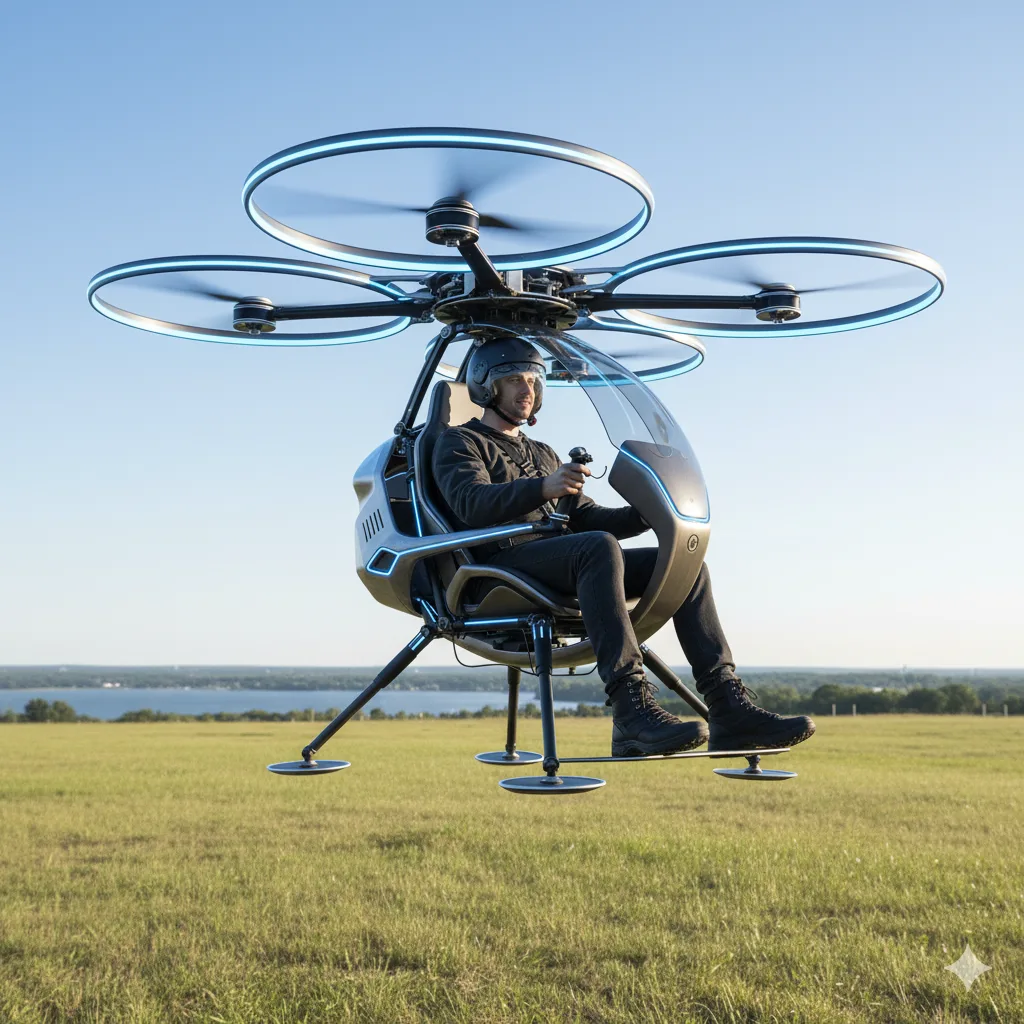
Personal drone vehicles are rapidly transforming the way we think about mobility and urban transportation. These innovative devices, designed to offer personal aerial transportation, are not just sci-fi concepts anymore — they are fast becoming part of the modern world’s infrastructure. Understanding how to use personal drone vehicles, their applications, advantages, and challenges is essential for anyone interested in the future of automated personal transit. In this article, we will explore various aspects of personal drone vehicles, including their functionality, real-world examples, comparisons with traditional transport, and practical advice for integration into daily life.
What Are Personal Drone Vehicles and How Do They Work?
In essence, personal drone vehicles are compact, automated flying machines designed explicitly for individual or small-group travel. Combining drone technology with advanced navigation systems, these vehicles can hover, navigate independently, and transport users across short to medium distances. Their innovative design aims to alleviate ground traffic congestion, reduce commuting times, and enhance mobility, especially in densely populated urban areas.
Before exploring their usage, it’s important to understand their core components and operational principles. Personal drone vehicles typically feature lightweight frames, electric or hybrid propulsion systems, and sophisticated sensors. They leverage GPS, AI-driven navigation, and obstacle detection algorithms to operate safely in complex environments. As such, these vehicles can take off, hover, and land vertically — making them suitable for urban landscapes with limited space.
Using personal drone vehicles generally involves pre-programmed routes or real-time control via user interfaces — usually smartphone apps or dedicated control panels. Their operation can be fully autonomous, semi-autonomous, or remotely piloted, depending on the model and regulatory policies. This versatility allows users to adapt how they utilize personal drone vehicles based on their needs, whether for daily commutes, emergency responses, or recreational tourism.
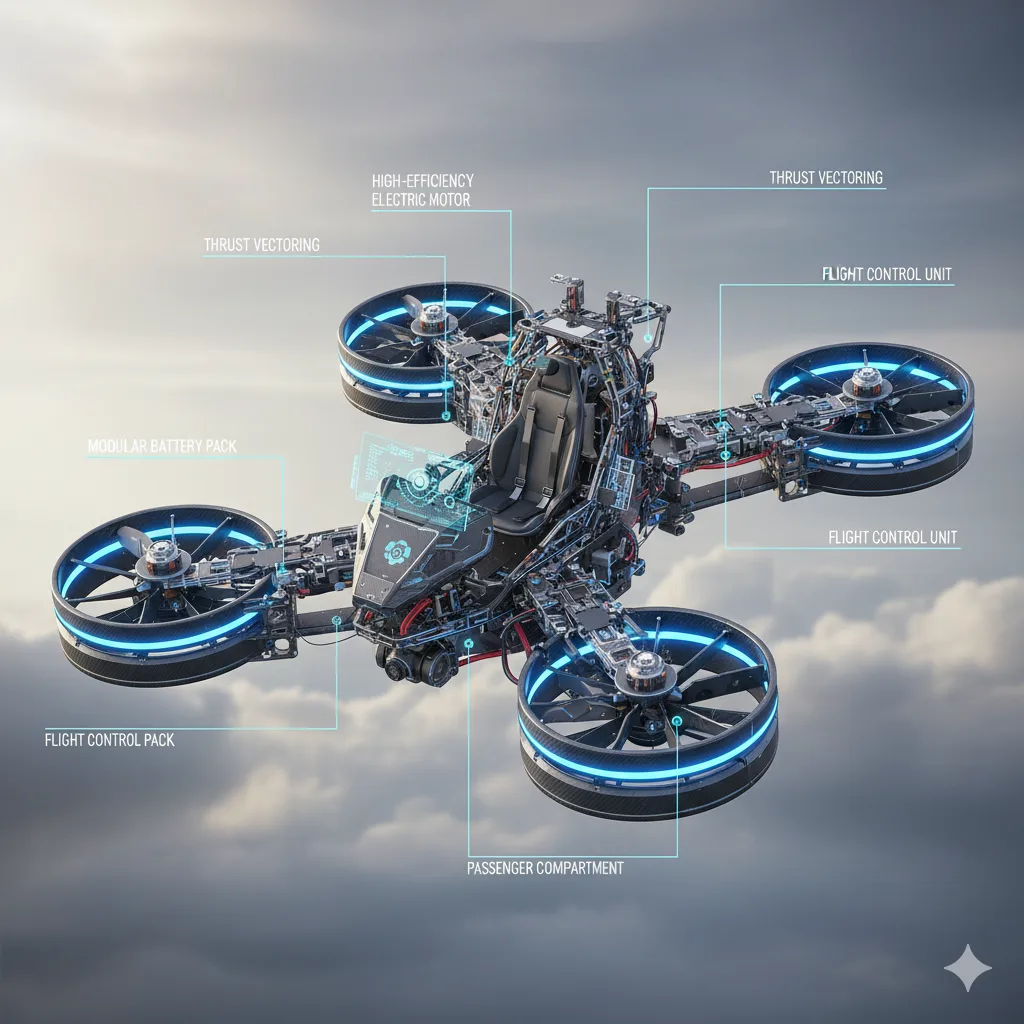
Examples of personal drone vehicles in use today include brands like Ehang, AeroMobil, and Volocopter, each pushing boundaries with different design philosophies. To maximize their benefits, users should follow safety protocols, stay updated with local regulations, and practice responsible operation — ensuring the technology benefits society without compromising safety.
Applications and Use Cases – Transforming Transportation and Beyond
The potential applications of personal drone vehicles extend far beyond simple commuting. Their versatility makes them valuable tools across sectors such as emergency services, logistics, entertainment, and urban planning.
Personal Commuting and Urban Mobility
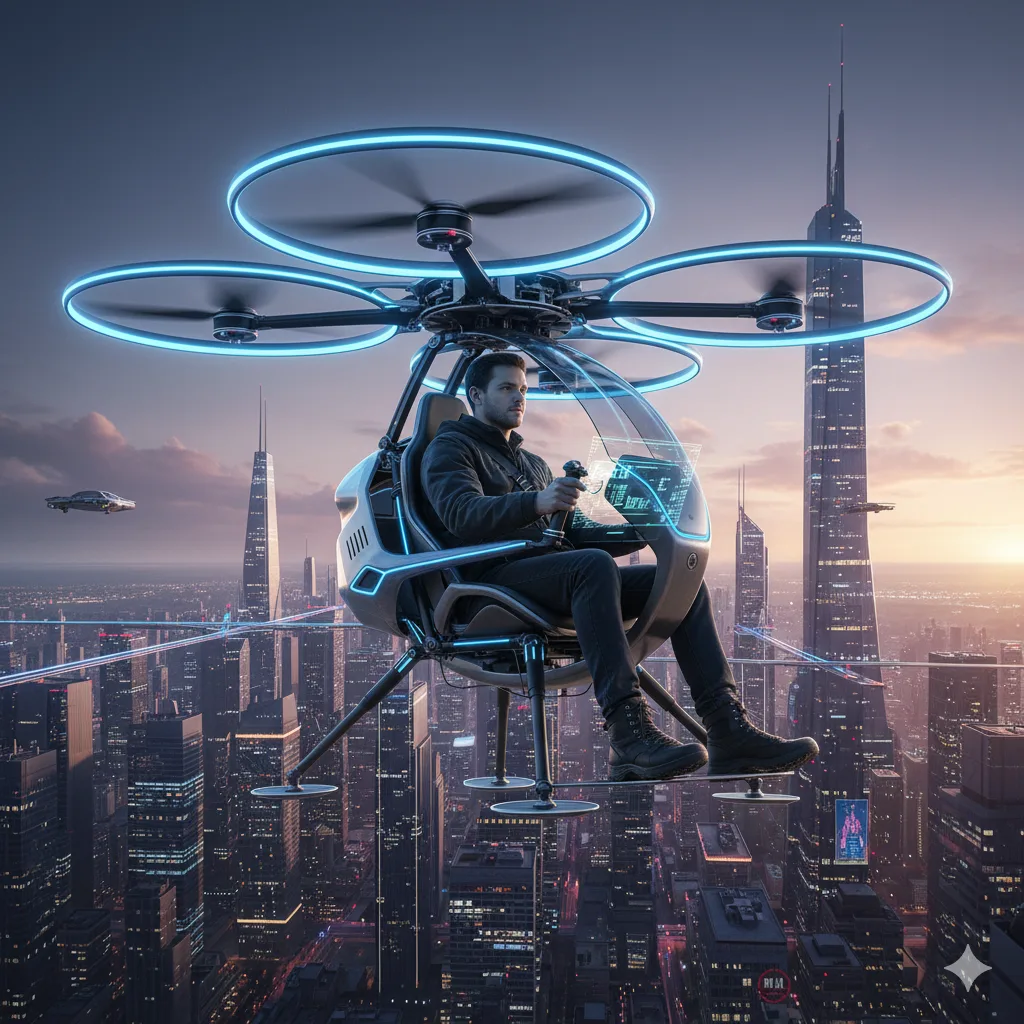
The most immediate and obvious use case for personal drone vehicles is daily commuting within congested cities. Imagine bypassing gridlock by soaring above traffic jams, saving precious time during rush hours. For urban dwellers with limited ground-space access, personal drone vehicles offer an innovative shortcut, transforming the way we travel within city limits.
The challenge lies in developing user-friendly interfaces and ensuring safety and affordability. As technology advances, these vehicles could become as common as personal cars, offering a switch from ground to aerial personal transport with minimal effort.
Emergency Response and Medical Transportation
Personal drone vehicles can revolutionize emergency medical services, especially in remote or congested areas. They can transport blood, organs, or medicine quickly across difficult terrains or urban landscapes clogged with traffic. For instance, during a natural disaster, a drone vehicle could deliver emergency supplies directly to stranded individuals, saving lives.
Furthermore, in disaster-stricken zones where infrastructure is compromised, personal drone vehicles could act as first responders, reaching victims swiftly and providing vital support without risking human responders’ safety.
Logistic and Delivery Services
E-commerce companies and logistics firms are increasingly exploring drone vehicles for last-mile delivery. These personal drone-like vehicles are capable of ferrying small packages directly to customers’ windowsills or front yards, reducing delivery times and operational costs.
Such applications can significantly impact urban logistics, especially in areas with narrow streets or restricted access. They also open avenues for on-demand, personalized delivery services, catering to individual needs on a scalable level.
Comparing Personal Drone Vehicles with Traditional Transportation Options
When evaluating personal drone vehicles versus traditional transportation modes, several factors should be considered, such as efficiency, safety, sustainability, and cost.
| Aspect | Traditional Vehicles | Personal Drone Vehicles |
|---|---|---|
| Efficiency | Dependent on traffic, congestion | Bypasses ground traffic, faster |
| Safety | Well-established safety protocols | Emerging safety protocols, evolving technology |
| Environmental Impact | Fuel consumption, emissions | Electric-powered, lower emissions |
| Cost | Infrastructure, maintenance, fuel | Initial investment, operational costs vary |
| Accessibility | Moderate to high, dependent on infrastructure | High in urban environments, limited elsewhere |
Personal drone vehicles excel in reducing travel times and avoiding ground congestion, but they still face regulatory and technological hurdles. Conversely, traditional vehicles boast extensive infrastructure, safety history, and widespread familiarity.
Personal drone vehicles are poised to complement rather than replace traditional transportation. They will be particularly useful for specific scenarios, such as quick trips in congested cities or remote areas with poor ground infrastructure. Balancing their deployment with existing transportation systems will be key to creating a seamless mobility ecosystem.
Practical Guidance for Utilizing Personal Drone Vehicles
Successfully integrating personal drone vehicles into daily routines requires careful planning, adherence to safety standards, and awareness of regulatory frameworks. Here are some essential tips and advice for prospective users:
Understanding Regulations and Safety Protocols
Since personal drone vehicles operate in shared airspace, compliance with local aviation regulations is paramount. Always stay informed about certification, licensing, and operational restrictions in your area. Many countries are developing policies to regulate personal drone vehicle usage, which may include no-fly zones, altitude limits, and pilot training requirements.
Prioritize safety by performing regular maintenance and conducting trial runs in safe, open environments. Always be aware of weather conditions, obstructions, and potential hazards before flying.
Practical Tips for Daily Use
Begin with shorter trips in familiar areas to build confidence and understanding of your personal drone vehicle’s capabilities. Use pre-programmed routes or autopilot features where available for convenience and safety. Consider investing in training sessions or tutorials to improve piloting skills and troubleshoot common issues.
Make sure your personal drone vehicle is connected to a reliable communication network for real-time updates. Keeping emergency contacts and backup plans in place is also recommended should technical issues arise.
Comparing Different Models
There are various models of personal drone vehicles on the market, each suited to specific needs. Some are designed for leisure and recreation, while others focus on practical transportation or emergency response. Evaluate features such as flight time, payload capacity, ease of operation, and regulatory compliance before making a decision.
Research user reviews and expert opinions to understand the long-term reliability and support options for different brands and models. Investing in a reputable product can save money and prevent frustration in the long run.
Personal drone vehicles are reshaping the future landscape of personal and urban transportation by offering innovative, efficient, and environmentally friendly alternatives to traditional travel methods. Their applications extend well beyond commuting, influencing emergency response, logistics, and recreational activities. While the technology is still evolving and regulatory frameworks are being established, thoughtful implementation and responsible operation can unlock their full potential. As personal drone vehicles become more accessible, they will undoubtedly become a vital component of modern mobility ecosystems, seamlessly integrating with our daily lives and transforming how we move through space.
Advantages of Personal Drone Vehicles
Personal drone vehicles, often perceived as futuristic gadgets, offer a range of practical benefits that could transform daily commuting and leisure activities. These advantages can be categorized into accessibility, convenience, and sustainability.
Accessibility to Remote Areas
One of the most significant advantages of personal drone vehicles is their ability to reach remote or hard-to-access locations. Traditional ground transportation often faces obstacles, including mountains, rivers, or poorly maintained roads that can impede access. Personal drones, equipped with vertical takeoff and landing (VTOL) capabilities, can effortlessly navigate these barriers, much like birds in the sky.
This capability not only benefits individuals living in isolated regions but also opens up opportunities for businesses and services in disaster management, agriculture, and delivery. For instance, a personal drone vehicle can transport essential supplies to people cut off by floods or landslides, addressing immediate needs where conventional vehicles cannot go.
Moreover, as urban populations swell, many city planners are considering how drones can serve high-density areas where expanded road infrastructure may not be feasible. This versatility allows personal drone vehicles to provide vital services in scenarios that traditional vehicles struggle with.
Convenience in Daily Life
The convenience factor cannot be overstated; personal drone vehicles streamline what has historically been a time-consuming and often stressful aspect of daily life—commuting. Imagine a scenario where the morning rush hour no longer involves traffic jams or crowded public transit. Personal drones can reduce travel times dramatically, making it feasible for individuals to traverse large distances more efficiently.
With advanced navigation systems, personal drones can optimize flight paths based on real-time conditions, avoiding obstacles and dynamically adjusting to changes in weather. Additionally, incorporating user-friendly tech features such as voice commands or mobile app integration allows riders to engage with their drone vehicles effortlessly.
Furthermore, for businesses, the adoption of personal drones for courier services has revolutionized logistics by providing a reliable method for last-mile delivery. Packages can reach customers in record time while also adhering to strict environmental regulations thanks to battery-powered innovation.
Sustainability and Environmental Benefits
Another compelling aspect of personal drone vehicles is their potential to contribute significantly to environmental sustainability. Unlike traditional vehicles that rely on fossil fuels, most personal drones are electric, resulting in lower greenhouse gas emissions and a smaller carbon footprint. This aspect is particularly vital as urban areas face pressure to reduce pollution and combat climate change.
The electric propulsion systems employed by personal drones typically have a reduced noise footprint compared to conventional motor vehicles, contributing to quieter cities—a feature especially appreciated in densely populated regions.
By integrating with renewable energy sources, such as solar power, personal drone vehicles can further enhance their sustainability. Fostering a network of electric charging stations for drones could pave the way for cleaner energy transportation options, transforming the entire transportation sector for the better.
Challenges Facing Personal Drone Vehicles
While personal drone vehicles offer considerable promise, several challenges loom on the horizon that must be navigated to realize their full potential. These challenges include regulatory hurdles, public perception, and technological limitations.
Navigating Regulatory Hurdles
The shift towards personal drone vehicles necessitates a robust regulatory framework to address safety, privacy, and environmental concerns. Current regulations governing airspace are primarily designed for manned aircraft, creating a patchwork system that offers limited guidance on the use of personal drones.
Governments worldwide are increasingly faced with the task of establishing policies that can adapt to this emerging technology. They must balance innovation with safety, ensuring that personal drones can operate without endangering life or property while respecting individuals’ rights to privacy and airspace usage.
Additionally, the development of comprehensive no-fly zones, air traffic control integration for drones, and licensing requirements for operators are crucial steps for regulatory bodies. As personal drone vehicles advance in capabilities, clear reservations regarding air safety will need to be addressed proactively.
Public Perception and Acceptance
Public skepticism remains a significant barrier to the widespread adoption of personal drone vehicles. Concerns about safety, noise pollution, and potential misuse can create considerable pushback from communities and organizations that may view these vehicles as intrusive technology.
Convincing the public of the benefits of personal drone transportation involves social outreach, education, and transparency. Showcasing successful use cases productively can help build trust and acceptance in communities. Moreover, reaching an understanding with stakeholders, including residents and local governments, about how drones will operate responsibly within urban and rural environments is vital.
Addressing the privacy concerns linked to widespread drone usage requires ongoing dialogue, technical solutions to protect personal information, and strategic partnerships with local governments to establish drone operating guidelines that harmoniously coexist with local norms and practices.
Overcoming Technological Limitations
Technological limitations also pose a challenge for the full realization of personal drone vehicles as a mainstream transportation option. Battery life, payload capacity, and weather resilience are persistent issues that affect performance.
Current battery technology often restricts the range of drone vehicles, making them suitable for shorter trips but unsuitable for longer distances without charging intervals. Continuous innovation and advancements in battery technology are needed to maximize travel range, increase payload capacities for transporting goods and people, and minimize charging wait times.
Weather conditions can also greatly impact personal drone operations. Rain, strong winds, or extreme temperatures can deactivate or impair drone functionality and safety. Developing robust designs and materials that withstand various environmental conditions will be essential for ensuring that personal drone vehicles can operate reliably and safely.
Personal drone vehicles hold the potential to revolutionize transportation, offering unprecedented accessibility, convenience, and sustainability. While challenges such as regulatory frameworks, public acceptance, and technological limitations must be addressed, they do not overshadow the vast possibilities these innovative vehicles can offer. By thoughtfully navigating these hurdles, society can embrace personal drone technology to create a new era of mobility that enriches our lives, enhances our environment, and transforms how we connect with one another and our surroundings. As technology continues to evolve, personal drone vehicles may just represent the future of transportation.