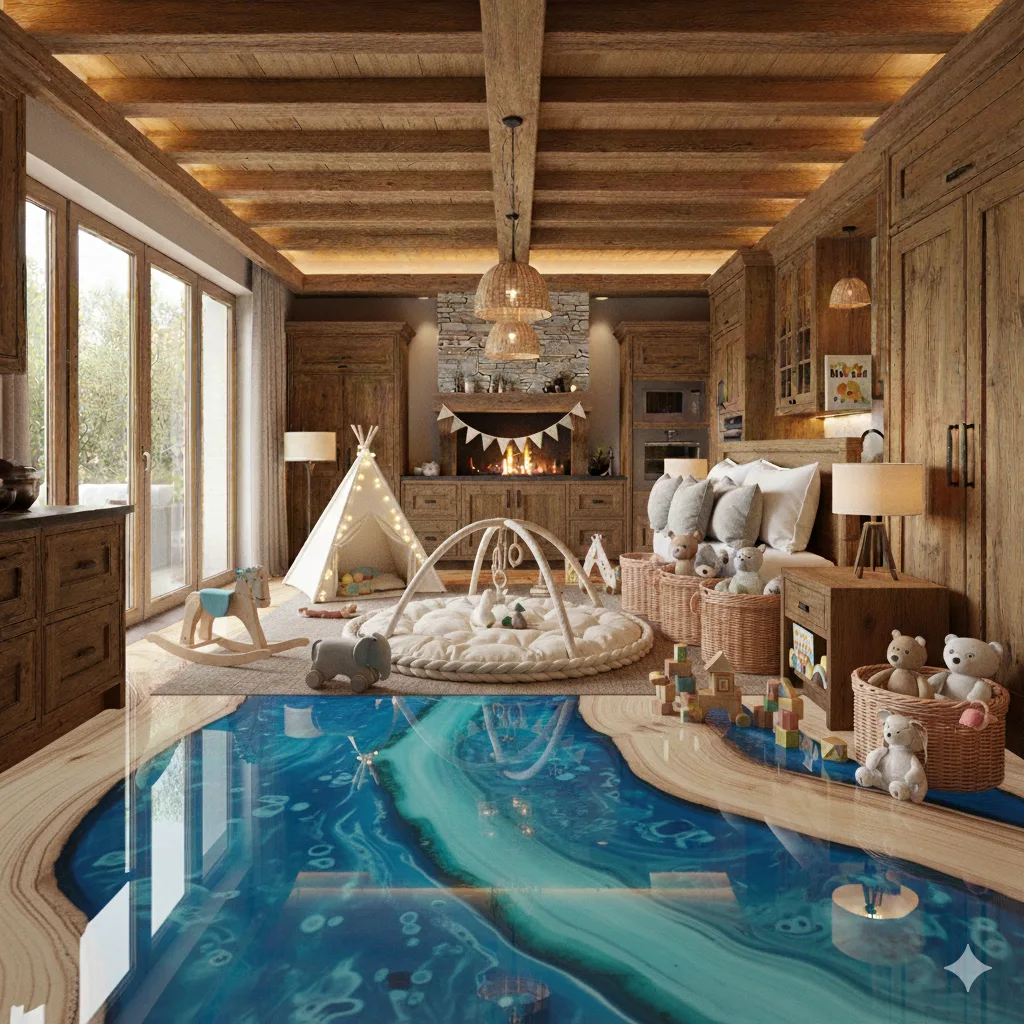
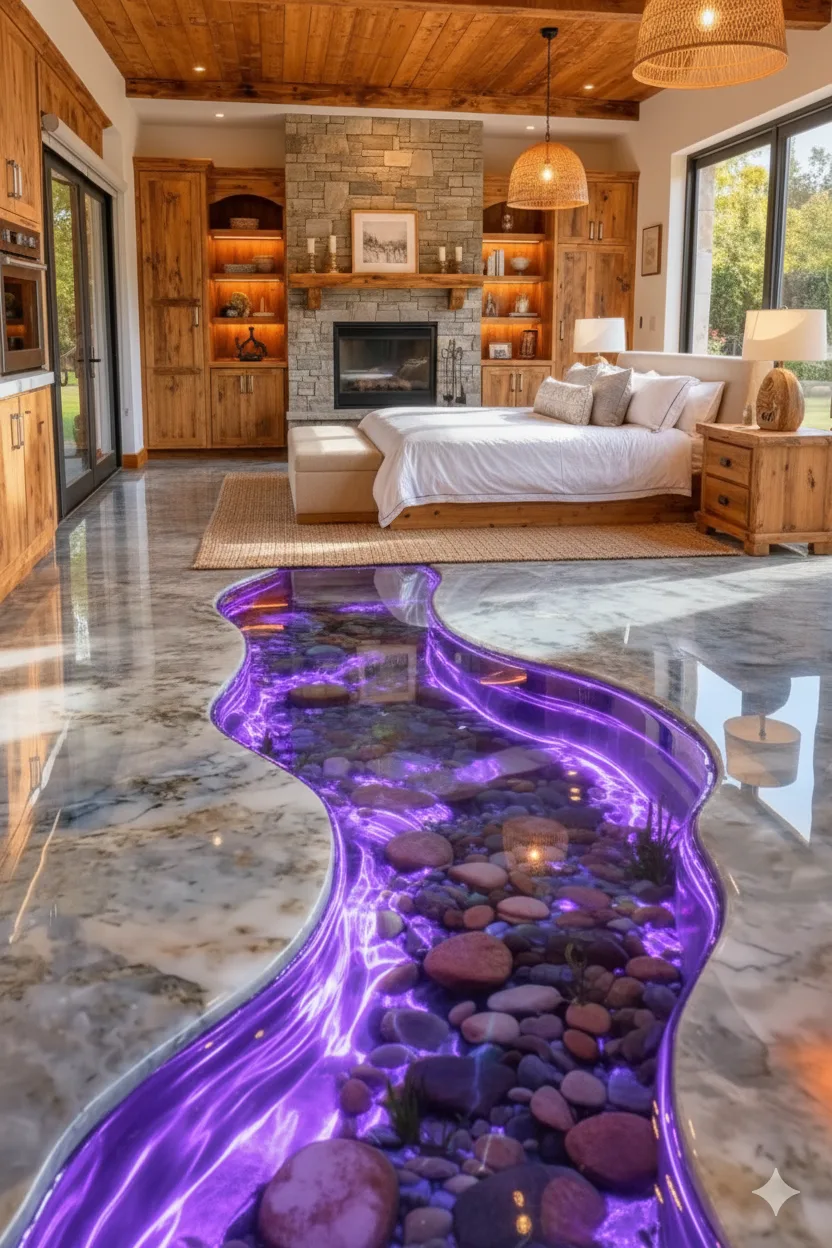
Epoxy river flooring has become one of the most innovative and captivating options for interior and exterior design enthusiasts seeking to combine aesthetics with durability. Its unique ability to mimic natural riverbeds—featuring flowing lines, vibrant color contrasts, and a glossy finish—makes it a desirable choice for enhancing residential, commercial, and artistic environments. Whether you’re renovating your home, creating a statement piece in your office, or designing a bespoke artistic surface, epoxy river flooring offers endless possibilities.
Epoxy river flooring is renowned for its versatility, ease of customization, and the mesmerizing visual effect it creates. Utilizing this flooring involves careful planning, selecting the right colors and techniques, and understanding its maintenance and comparison with other flooring options. Today, we will explore how epoxy river flooring can transform your space, how to use it effectively, and what makes it a uniquely appealing choice.
The Art and Science Behind Epoxy River Flooring – Crafting Visual Masterpieces
Epoxy river flooring stands at the intersection of art and engineering—requiring both creative vision and technical know-how. Its beauty lies in the ability to craft flowing, organic patterns that resemble streams and rivers, adding a dynamic depth to any surface. From concept to installation, understanding the scientific principles involved ensures your flooring not only looks spectacular but lasts over time.
This innovative flooring type often combines resin and hardener mixtures with varied pigments, creating a layered effect that appears as a flowing river underneath a clear surface. Its durability makes it perfect for high-traffic areas, but achieving the right aesthetic requires mastery of techniques like epoxy pouring, controlled layering, and strategic color blending.

In comparing epoxy river flooring with traditional options like tile, hardwood, or concrete, the key advantage is its seamless finish and customizable design. Unlike tiles or planks, which are limited to predefined sizes and patterns, epoxy river flooring allows for a personalized landscape that captures natural beauty or abstract art. Its smooth surface also enhances safety and cleaning.
To maximize the impact of epoxy river flooring, it’s crucial to plan your color palette carefully, choose high-quality epoxy materials, and, if necessary, work with experienced artisans. This approach ensures a flawless, eye-catching final result that blends your vision with technical precision.
Choosing the Right Materials and Color Combinations for Epoxy River Flooring
One of the most fascinating aspects of epoxy river flooring is the freedom to select colors and materials that fit your design aesthetic. It’s important to tailor factors such as epoxy resin type, pigment choices, and even embedded objects to create a cohesive artistic statement or harmonious environment. That flexibility extends to whether the flooring will be indoors or outdoors, influencing the choice of UV resistance, temperature tolerance, and finishing techniques.
Before beginning installation, consider the existing environment—if in a high-moisture or outdoor setting, using specialized waterproof and UV-resistant epoxy formulations is essential to ensure longevity. Conversely, interior spaces can leverage a broader range of pigments and finishes, from matte to high gloss, depending on your desired epoxy river flooring look.
Color choice visually defines the flow of your epoxy river, creating illusions of depth, movement, and natural scenery. Blues, greens, and earth tones are popular choices to emulate waterways, but bold contrasts or metallic pigments can produce dramatic effects or abstract art. When blending colors, employing techniques like direct pouring, feathering, or swirling can embed natural-looking riverbanks, stones, or lakes within your epoxy surface.
Personal advice for selecting colors involves considering your overall interior or exterior palette and choosing hues that complement or accentuate existing décor. Test samples before the final pour, as epoxy’s final appearance can be affected by lighting and substrate conditions. For added texture and realism, embedding small decorative objects or metallic accents can make the surface truly unique and engaging.
Step-by-Step Guide to Installing Epoxy River Flooring: Techniques and Tips
Installation plays a pivotal role in achieving a seamless,
Transform Your Space with Stunning Epoxy River Flooring – A Modern Design Trend
Epoxy river flooring has become one of the most innovative and captivating options for interior and exterior design enthusiasts seeking to combine aesthetics with durability. Its unique ability to mimic natural riverbeds—featuring flowing lines, vibrant color contrasts, and a glossy finish—makes it a desirable choice for enhancing residential, commercial, and artistic environments. Whether you’re renovating your home, creating a statement piece in your office, or designing a bespoke artistic surface, epoxy river flooring offers endless possibilities.
Epoxy river flooring is renowned for its versatility, ease of customization, and the mesmerizing visual effect it creates. Utilizing this flooring involves careful planning, selecting the right colors and techniques, and understanding its maintenance and comparison with other flooring options. Today, we will explore how epoxy river flooring can transform your space, how to use it effectively, and what makes it a uniquely appealing choice.

The Art and Science Behind Epoxy River Flooring – Crafting Visual Masterpieces
Epoxy river flooring stands at the intersection of art and engineering—requiring both creative vision and technical know-how. Its beauty lies in the ability to craft flowing, organic patterns that resemble streams and rivers, adding a dynamic depth to any surface. From concept to installation, understanding the scientific principles involved ensures your flooring not only looks spectacular but lasts over time.
This innovative flooring type often combines resin and hardener mixtures with varied pigments, creating a layered effect that appears as a flowing river underneath a clear surface. Its durability makes it perfect for high-traffic areas, but achieving the right aesthetic requires mastery of techniques like epoxy pouring, controlled layering, and strategic color blending.
In comparing epoxy river flooring with traditional options like tile, hardwood, or concrete, the key advantage is its seamless finish and customizable design. Unlike tiles or planks, which are limited to predefined sizes and patterns, epoxy river flooring allows for a personalized landscape that captures natural beauty or abstract art. Its smooth surface also enhances safety and cleaning.
To maximize the impact of epoxy river flooring, it’s crucial to plan your color palette carefully, choose high-quality epoxy materials, and, if necessary, work with experienced artisans. This approach ensures a flawless, eye-catching final result that blends your vision with technical precision.
Choosing the Right Materials and Color Combinations for Epoxy River Flooring
One of the most fascinating aspects of epoxy river flooring is the freedom to select colors and materials that fit your design aesthetic. It’s important to tailor factors such as epoxy resin type, pigment choices, and even embedded objects to create a cohesive artistic statement or harmonious environment. That flexibility extends to whether the flooring will be indoors or outdoors, influencing the choice of UV resistance, temperature tolerance, and finishing techniques.
Before beginning installation, consider the existing environment—if in a high-moisture or outdoor setting, using specialized waterproof and UV-resistant epoxy formulations is essential to ensure longevity. Conversely, interior spaces can leverage a broader range of pigments and finishes, from matte to high gloss, depending on your desired epoxy river flooring look.
Color choice visually defines the flow of your epoxy river, creating illusions of depth, movement, and natural scenery. Blues, greens, and earth tones are popular choices to emulate waterways, but bold contrasts or metallic pigments can produce dramatic effects or abstract art. When blending colors, employing techniques like direct pouring, feathering, or swirling can embed natural-looking riverbanks, stones, or lakes within your epoxy surface.
Personal advice for selecting colors involves considering your overall interior or exterior palette and choosing hues that complement or accentuate existing décor. Test samples before the final pour, as epoxy’s final appearance can be affected by lighting and substrate conditions. For added texture and realism, embedding small decorative objects or metallic accents can make the surface truly unique and engaging.
Step-by-Step Guide to Installing Epoxy River Flooring: Techniques and Tips
Installation plays a pivotal role in achieving a seamless and stunning epoxy river flooring. The process may seem daunting at first, but breaking it down into manageable steps can yield beautiful results. Start by preparing your subfloor. Make sure the surface is clean, level, and free from any contaminants that could impact adhesion. Professional-grade epoxy formulations will adhere well when prepared properly.
Next comes the mixing of epoxy resin and hardener, which requires precision. Follow the manufacturer’s instructions closely regarding the mix ratio to ensure optimal curing. During this stage, you can also add your chosen pigments. Mixing should be done thoroughly to achieve uniform color distribution. One essential technique to master while working with epoxy river flooring is the pouring method itself. Whether pouring directly or using a more intricate mold, control and consistency are critical for ensuring the overall flow of your design remains cohesive.
As you progress, consider the environmental factors affecting your installation. Varied temperatures and humidity levels can impact curing times, so ensure you’re working in suitable conditions. Additionally, when embedding decorative elements, leverage techniques such as gradual layering to prevent them from floating or sinking entirely. This gives your epoxy surface depth and richness, enhancing the river-like visual effect. Patience is crucial during the curing process; allowing complete cure time ensures that your masterpiece will withstand time, traffic, and use.
To conclude the installation, apply a sealant to protect your epoxy river flooring, reinforcing its durability. Regular maintenance, such as cleaning with non-abrasive methods and avoiding harsh chemicals, will keep your flooring looking pristine and semi-glossy for years to come.
Maintenance Tips and Comparison with Other Flooring Types
Caring for your epoxy river flooring is essential to preserve both its beauty and functionality. Unlike traditional flooring options—like carpet or hardwood, which may require extensive upkeep—epoxy flooring is relatively low-maintenance. Regular sweeping or vacuuming to remove dust and debris is often all that’s needed to maintain its dazzling appearance.
When comparing epoxy river flooring with other flooring types, one of the most significant advantages is its stain resistance. Unlike porous materials that can absorb spills and dirt, epoxy provides a non-porous surface that’s easy to clean without significant labor. A simple wet mop with a gentle cleaning solution should suffice for most routine maintenance.
However, caution should be taken with very abrasive cleaners or scrubbers as they may scratch the surface. In contrast, materials like laminate or vinyl might require replacements or substantial repairs when wear-and-tear becomes evident. Epoxy river flooring, when installed correctly and maintained, can last for decades without needing replacement, making it a cost-effective long-term investment.
It’s essential to periodically assess the condition of your flooring, especially in high-traffic areas. Any signs of wear, such as dullness or minor scratches, can often be addressed with a light polish or additional sealant application instead of costly repairs. Moreover, remember to educate those who will be using the space about proper maintenance and care practices.
In the vibrant world of flooring design, epoxy river flooring emerges as a versatile and stunning option that brilliantly blends aesthetic appeal with durability. Its unique ability to create captivating designs while maintaining ease of maintenance sets it apart from traditional flooring options. From the creative input involved in designing the flowing river-like patterns to the technical expertise required for a flawless installation, epoxy river flooring represents the modern synthesis of art and science. Selecting the right materials, colors, and installation techniques can significantly impact the final result, emphasizing personalization and artistic expression. With proper care and maintenance, homeowners can enjoy the beauty and functionality of beautiful epoxy river flooring for years to come, a true testament to innovative flooring design.