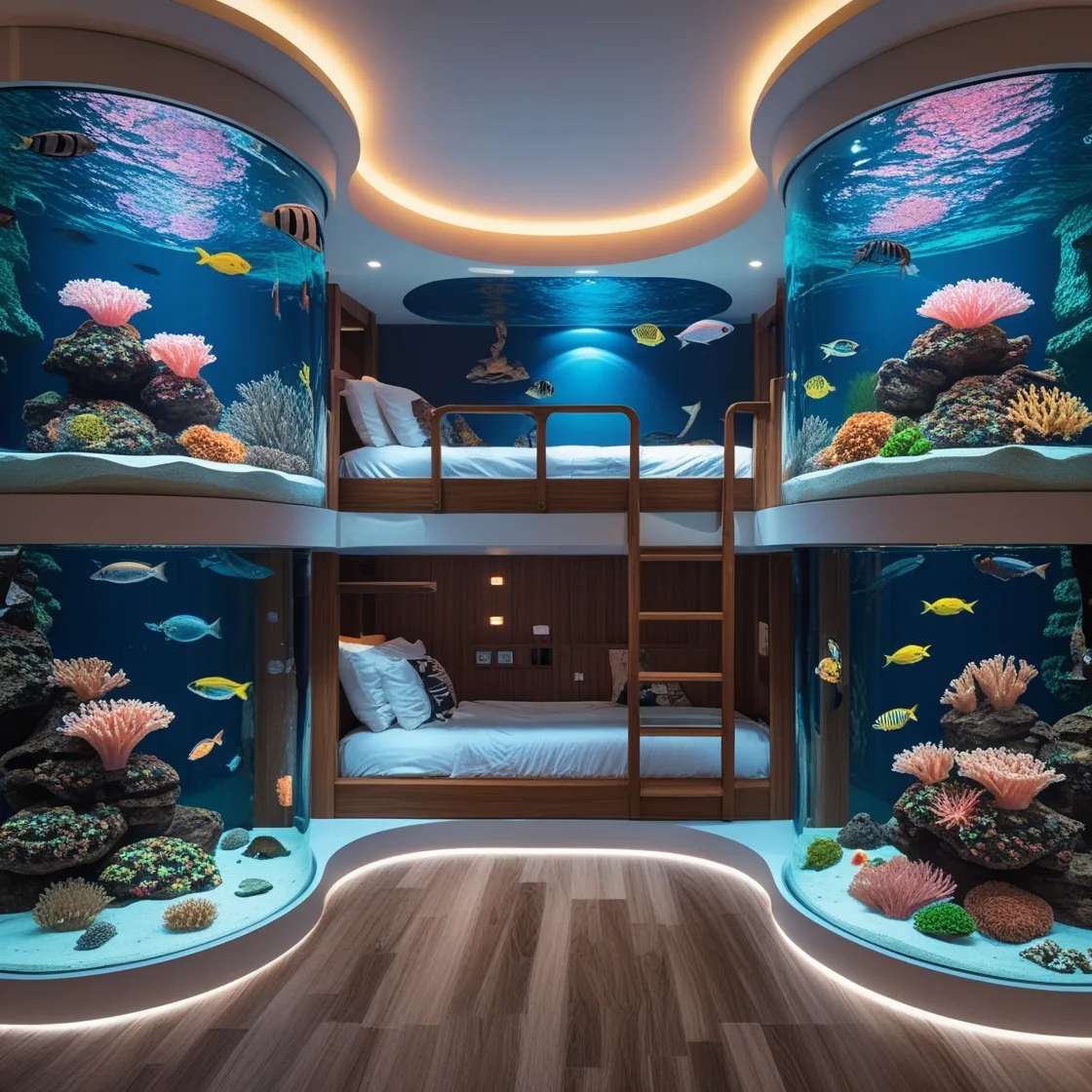
Aquarium beds are essential components that contribute significantly to the health, appearance, and overall functionality of your aquatic environment. Whether you are a beginner setting up your first freshwater tank or a seasoned aquarist creating a complex marine ecosystem, understanding how to effectively use aquarium beds can make all the difference in maintaining a pristine and thriving underwater world.
In this article, we’ll explore how to utilize aquarium beds, compare different types, and offer valuable advice to optimize your aquatic setup. Discover how choosing the right substrate can transform your aquarium into a vibrant, healthy habitat.
Understanding the Role of Aquarium Beds in Your Tank Ecosystem
Aquarium beds, often referred to as substrates, form the foundation of many aquatic environments. They influence water chemistry, provide biological filtration, and serve as a natural habitat for beneficial bacteria and aquatic plants. From sand and gravel to specialized substrates like planted tanks or coral sands, each type offers unique benefits and challenges.
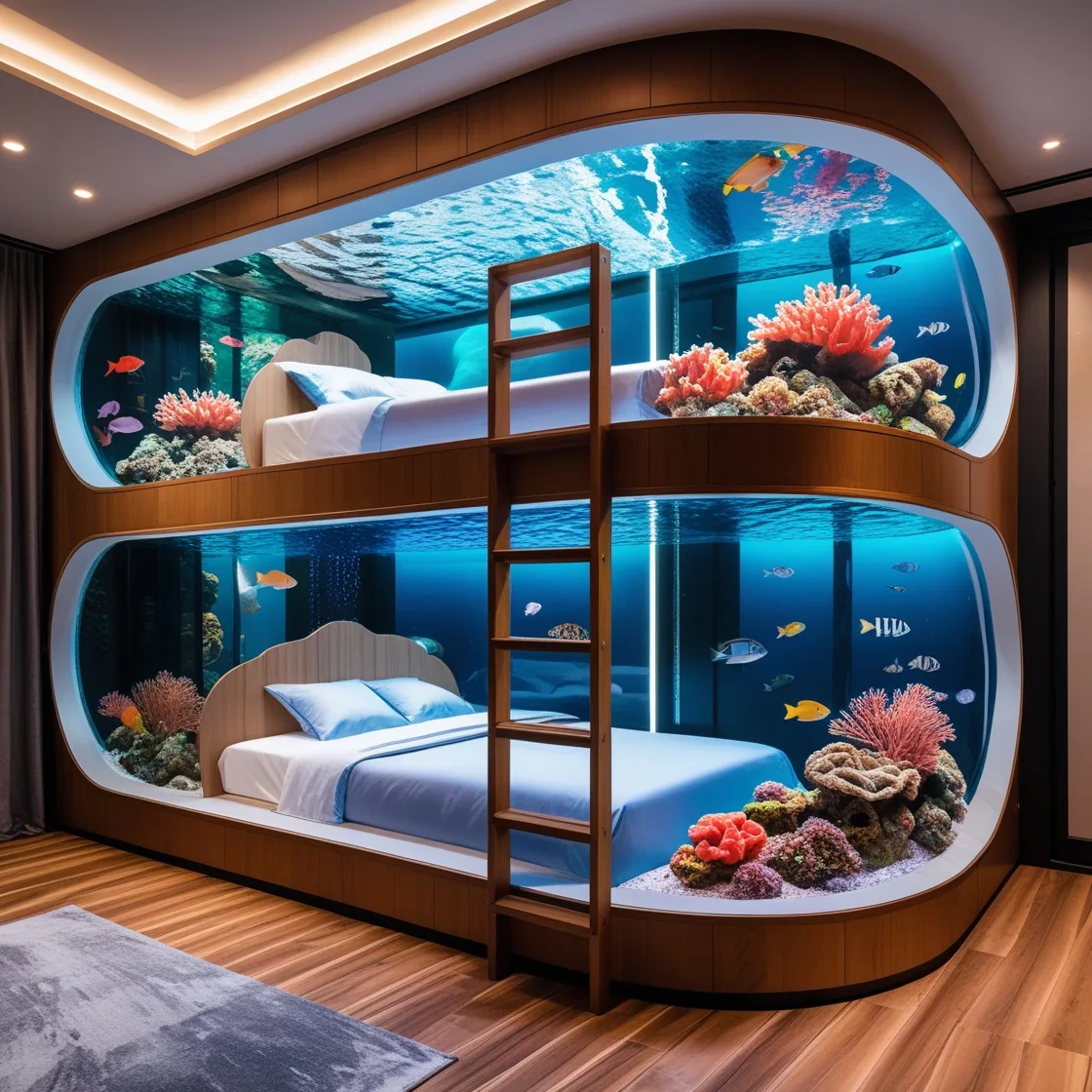
A well-chosen aquarium beds can promote biological stability, enhance visual appeal, and support the health of your fish and plants. Proper understanding of their functions and types enables hobbyists to make informed decisions, ensuring long-term success and vitality in their aquatic setups.
How Aquarium Beds Affect Water Chemistry and Bacterial Filtration
Aquarium beds play a critical role in maintaining water quality by hosting beneficial bacteria that convert harmful ammonia into less toxic substances. This biological filtration is vital in establishing a balanced ecosystem, especially in new setups. As bacteria colonize the substrate, they help stabilize ammonia, nitrites, and nitrates levels, thereby reducing the frequency of water changes and medication.
The specific composition of aquarium beds influences their ability to support bacterial colonies. For example, coarse gravel provides ample surface area, supporting more bacteria, which is ideal for biological filtration. Conversely, fine sands are better suited for creating a smooth environment for bottom-dwelling fish and certain plants but may require additional filtration methods.
Furthermore, the substrate’s pH buffering capacity can influence water chemistry. For instance, crushed coral beds tend to raise pH levels, making them suitable for marine or reef tanks, whereas inert sands and gravels have minimal impact on pH. Selecting the right aquarium beds based on your tank’s species and chemistry needs is essential for a balanced environment.
Enhancing Aesthetics and Fish Behavior with Suitable Aquarium Beds
Beyond their biological functions, aquarium beds significantly contribute to the visual appeal of the tank. They create natural landscapes that mimic native habitats, making the environment more comfortable for fish and plants. The choice of substrate affects fish behavior—some species prefer sandy beds that allow for burrowing, while others thrive on gravel with ample space for foraging.
For example, bottom-dwelling species like cichlids often prefer rougher, larger gravel, which provides hiding spots and territory markers. On the other hand, sand beds are ideal for delicate species like gobies or certain catfish that sift through the substrate for food. Carefully selecting and arranging aquarium beds to match species-specific needs can promote natural behaviors, reduce stress, and boost overall health.
The visual integration of aquarium beds also enhances the overall aquascape. A mixed-bed layout with contrasting colors or textures can create stunning landscapes, from lush riverbeds to desert-like arid zones. Experimenting with different substrates allows hobbyists to craft personalized aquatic worlds that are both beautiful and thriving.
Maintenance and Longevity of Aquarium Beds
Keeping your aquarium beds clean and healthy is vital for ongoing tank stability. Regular vacuuming during water changes removes debris and uneaten food, preventing the buildup of harmful gases and algae. Choosing the right type of bed affects the ease and frequency of maintenance.
Inert substrates like silica-based sand or gravel generally require less frequent cleaning, although deeper bed cleaning might disturb beneficial bacteria. In contrast, organic or nutrient-rich substrates (used in planted tanks) may need more careful management to prevent anaerobic zones or nutrient imbalances. Understanding these differences helps extend the lifespan of your aquarium beds and maintain water clarity.
Additionally, replacing or supplementing aquarium bedding should be approached with caution. Sudden full replacements can disrupt beneficial bacteria colonies, so partial cleanings and using pre-cycled substrates are recommended. Proper maintenance routines ensure that your aquarium beds continue to support biological processes while remaining visually appealing.
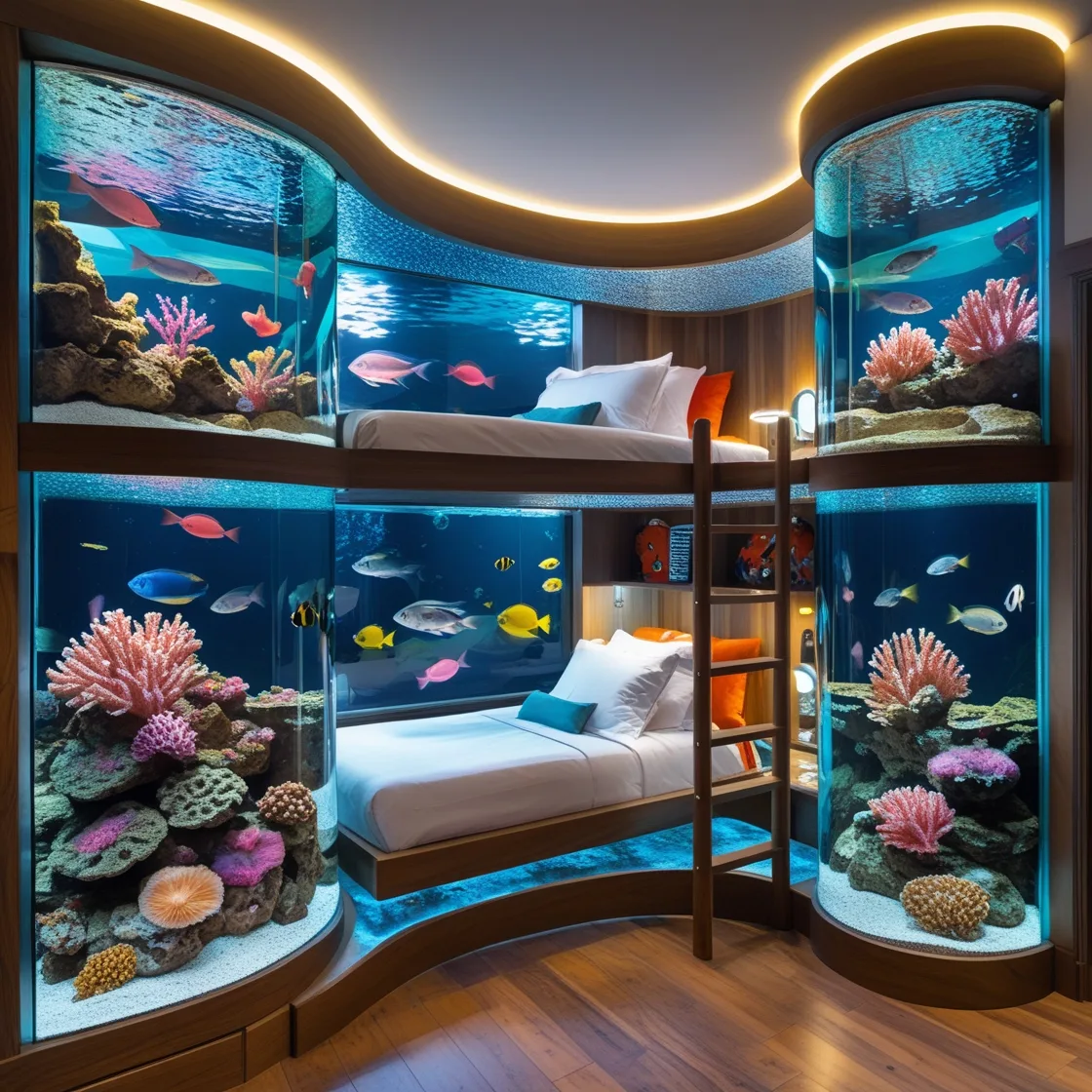
Comparing Different Types of Aquarium Beds
Selecting the right aquarium beds depends on several factors, including tank type, inhabitants, and personal aesthetics. Each type of substrate offers distinct advantages and disadvantages, and understanding these can help hobbyists create the perfect environment.
Sand versus Gravel – Pros and Cons
Sand and gravel are among the most common choices for aquarium beds, each with specific characteristics suited to different setups.
Sand is prized for its natural appearance, softness, and suitability for certain species. However, it can compact over time, leading to anaerobic zones if not maintained properly. It also tends to cloud the water during stirring unless cleaned thoroughly. On the upside, sand is ideal for species that sift or burrow and supports delicate roots in planted tanks.
Gravel, on the other hand, provides excellent filtration surface area and is easier to clean. It is less likely to compact and allows for more vigorous water flow. However, its rough surface may cause injury to some bottom-dwelling fish if not carefully chosen. Gravel is better suited for community tanks with robust species and those requiring stability.
| Feature | Sand | Gravel |
|---|---|---|
| Aesthetic Appeal | Natural, smooth | Natural, varied textures |
| Fish Compatibility | Sifting species, delicate fish | Hardy bottom dwellers |
| Maintenance | More prone to clouding, less durable | Easier to clean, durable |
| Biological Support | Suitable but compacting risk | Excellent bacterial colonization |
Specialized Substrates for Plant and Marine Tanks
Planted tanks benefit from nutrient-rich substrates such as clay-based or commercial plant soils. These beds supply essential nutrients for root development, promoting lush greenery. Marine tanks often require aragonite or coral sands that buffer pH and support coral growth.
Plant-specific beds like aquasoil or nutrient-rich substrates encourage dense aquatic plant growth by providing a steady supply of fertilizers. These substrates typically have a granular structure that facilitates root penetration and nutrient exchange but need regular supplementation to sustain plant health.
Marine-grade substrates, such as live sand or aragonite, serve both functional and decorative purposes. They help stabilize pH and calcium levels, which are crucial for coral and invertebrate health. Marine substrates also come in various particle sizes and compositions, allowing aquarists to tailor substrates to specific marine environments.
Comparing Maintenance Requirements and Lifespan
The longevity of aquarium beds depends on their composition, maintenance routine, and tank inhabitants. Mineral-based or inert substrates generally last longer, sometimes for years, with little need for replacement. Meanwhile, nutrient-rich substrates tend to deplete over time or become compacted, necessitating periodic replenishment or replacement.
Proper cleaning methods substantially extend the lifespan. For instance, regular vacuuming prevents debris buildup, and partial gravel cleanings can maintain biodiversity within the bed. In some cases, upgrading or supplementing the substrate becomes necessary when the bed’s capacity to support biological filtration diminishes.
Aquarium beds — when chosen thoughtfully and maintained diligently — can serve your tank for many years, providing a healthy and attractive environment for all aquatic life.
Choosing the right aquarium beds—considering type, composition, and maintenance—is fundamental to creating a thriving aquatic ecosystem. From supporting biological filtration to enhancing aesthetic appeal, substrate selection influences your tank’s health, behavior of inhabitants, and visual harmony. Whether you prefer sand for delicate fish, gravel for hardy species, or specialized substrates for plants and marine life, understanding their distinct features helps tailor your tank setup. Diligent maintenance ensures your aquarium beds sustain their benefits over time, helping you enjoy a vibrant, balanced underwater world for years to come.
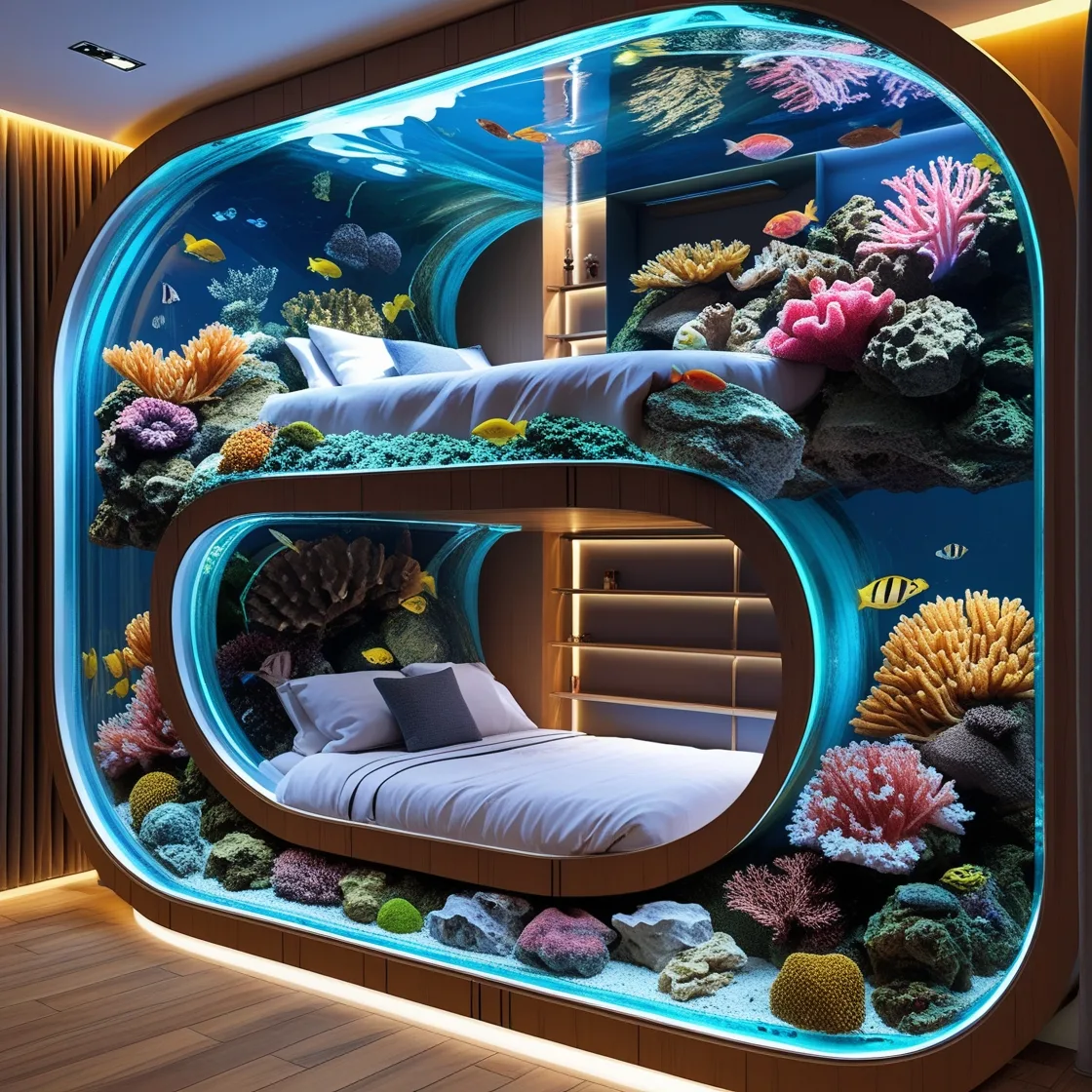
Maintenance and Longevity of Aquarium Beds
Keeping your aquarium beds clean and healthy is vital for ongoing tank stability. Regular vacuuming during water changes removes debris and uneaten food, preventing the buildup of harmful gases and algae. Choosing the right type of bed affects the ease and frequency of maintenance.
Inert substrates like silica-based sand or gravel generally require less frequent cleaning, although deeper bed cleaning might disturb beneficial bacteria. In contrast, organic or nutrient-rich substrates (used in planted tanks) may need more careful management to prevent anaerobic zones or nutrient imbalances. Understanding these differences helps extend the lifespan of your aquarium beds and maintain water clarity.
Additionally, replacing or supplementing aquarium bedding should be approached with caution. Sudden full replacements can disrupt beneficial bacteria colonies, so partial cleanings and using pre-cycled substrates are recommended. Proper maintenance routines ensure that your aquarium beds continue to support biological processes while remaining visually appealing.
Techniques for Effective Maintenance
Maintaining a healthy aquarium bed requires knowledge of the right techniques that suit the type of substrate used.
Regular vacuuming during water changes is a fundamental technique, as it effectively removes debris while minimizing water disturbance. Many aquarists use specialized gravel vacuums that allow them to siphon out detritus without removing significant amounts of substrate. This preventative measure not only keeps the tank water clear but also promotes the healthy growth of essential bacteria crucial for biological filtration.
Another effective strategy is to observe how different substrates affect the aquarium ecosystem. For example, if you are using sand, you may need to be more vigilant as it can easily compact and lead to dead zones. Keeping the sand disturbed with the right cleaning tools and ensuring some movement is key to maintaining healthy oxygen levels for the beneficial bacteria as well as the bed’s overall health.
Longevity through Proper Care
Extending the lifespan of your aquarium beds largely comes down to proper care and attention to changing conditions. Every substrate has a finite life; however, through regular maintenance, you can extend its usability significantly.
For example, keeping nutrient-rich substrates in a planted aquarium healthy involves topping them off periodically with fresh substrates or fertilizers. This replenishes depleted nutrients and maintains a proper balance for plant health. In contrast, inert substrates mainly require periodic cleaning and occasional topping off to replenish lost particles.
Additionally, periods of transition or adding new fish should be handled delicately. Introducing new strains or species can affect the existing ecosystem within the aquarium bed. Monitoring these changes and adjusting your care routine accordingly plays a crucial role in maintaining the longevity of the fish tank.
Considering Environmental Changes
Different environmental factors can directly impact the condition and lifespan of aquarium beds. Factors such as temperature, lighting, and the presence of specific fish can all contribute to varying maintenance needs.
In planted aquariums, for instance, lighting schedules affect the growth of algae, which can overtake the substrate if not managed. Regular maintenance and carefully timed lighting can help maintain clarity and purity within the substrate layer. Conversely, in marine tanks, conditions such as water movement and salinity can create challenges in maintaining beds, especially with softer substrates prone to erosion or degradation.
Keeping an eye on the interactions between the substrate and the tank’s inhabitants—such as digging fish, snails, or other bottom dwellers—also helps maintain a stable environment. Understanding all contributing factors provides a holistic approach that ensures a thriving aquatic habitat.

Comparing Different Types of Aquarium Beds
Selecting the right aquarium beds depends on several factors, including tank type, inhabitants, and personal aesthetics. Each type of substrate offers distinct advantages and disadvantages, and understanding these can help hobbyists create the perfect environment.
Sand versus Gravel – Pros and Cons
Sand and gravel are among the most common choices for aquarium beds, each with specific characteristics suited to different setups.
Sand is prized for its natural appearance, softness, and suitability for certain species. However, it can compact over time, leading to anaerobic zones if not maintained properly. It also tends to cloud the water during stirring unless cleaned thoroughly. On the upside, sand is ideal for species that sift or burrow and supports delicate roots in planted tanks.
Gravel, on the other hand, provides excellent filtration surface area and is easier to clean. It is less likely to compact and allows for more vigorous water flow. However, its rough surface may cause injury to some bottom-dwelling fish if not carefully chosen. Gravel is better suited for community tanks with robust species and those requiring stability.
Aesthetic Appeal:
When considering aesthetics, both sand and gravel offer distinct styles. Sand’s smooth texture creates a serene, natural-looking environment, ideal for biotopes or specific species that thrive in such conditions. Gravel provides varied textures, giving a sense of depth and dynamics to the aquascape. Your choice can also depend on any specific themes or styling aims you may have for your aquarium.
Fish Compatibility:
Compatibility is key when selecting aquarium beds. Species like cichlids may enjoy gravel since they can dig and forage without harm. Additionally, certain surface-dwelling species thrive better in sand as they feel comfortable establishing natural territories and mimicking wild habitats. Tailoring substrate choice to fish behavior ensures a happy and healthy environment.
Specialized Substrates for Plant and Marine Tanks
Planted tanks benefit from nutrient-rich substrates such as clay-based or commercial plant soils. These beds supply essential nutrients for root development, promoting lush greenery. Marine tanks often require aragonite or coral sands that buffer pH and support coral growth.
Plant-specific beds like aquasoil or nutrient-rich substrates encourage dense aquatic plant growth by providing a steady supply of fertilizers. These substrates typically have a granular structure that facilitates root penetration and nutrient exchange but need regular supplementation to sustain plant health.
Marine-grade substrates, such as live sand or aragonite, serve both functional and decorative purposes. They help stabilize pH and calcium levels, which are crucial for coral and invertebrate health. Marine substrates also come in various particle sizes and compositions, allowing aquarists to tailor substrates to specific marine environments.
Nutrient Dynamics:
In freshwater tanks, dirt-based and nutrient-rich substrates create a livelier ecosystem. The interaction between plants and substrate helps recycle nutrients, enhancing overall growth. This also supports beneficial microbes critical for plant health, making regular care and substrate management imperative.
Marine Needs:
In saltwater settings, choosing substrates based on mineral content and buffering capacity is essential. Correct substrate selection ensures that the tank functions optimally, supporting marine life. Marine-specific substrates often come with microorganisms that actively contribute to tank health while providing a stunning backdrop for corals and invertebrates.
Comparing Maintenance Requirements and Lifespan
The longevity of aquarium beds depends on their composition, maintenance routine, and tank inhabitants. Mineral-based or inert substrates generally last longer, sometimes for years, with little need for replacement. Meanwhile, nutrient-rich substrates tend to deplete over time or become compacted, necessitating periodic replenishment or replacement.
Proper cleaning methods substantially extend the lifespan. For instance, regular vacuuming prevents debris buildup, and partial gravel cleanings can maintain biodiversity within the bed. In some cases, upgrading or supplementing the substrate becomes necessary when the bed’s capacity to support biological filtration diminishes.
Aquarium beds — when chosen thoughtfully and maintained diligently — can serve your tank for many years, providing a healthy and attractive environment for all aquatic life. The emphasis should remain on understanding the specific needs of your unique aquarium ecosystem while putting in place a stable maintenance plan tailored to your chosen substrate.
Choosing the right aquarium beds—considering type, composition, and maintenance—is fundamental to creating a thriving aquatic ecosystem. From supporting biological filtration to enhancing aesthetic appeal, substrate selection influences your tank’s health, behavior of inhabitants, and visual harmony. Whether you prefer sand for delicate fish, gravel for hardy species, or specialized substrates for plants and marine life, understanding their distinct features helps tailor your tank setup. Diligent maintenance ensures your aquarium beds sustain their benefits over time, helping you enjoy a vibrant, balanced underwater world for years to come.