Introduction
Throughout human history, fire has been more than just a source of warmth and light—it has been a central element of community, ritual, and symbolism. From ancient tribal gatherings around bonfires to modern families enjoying backyard fire pits, fire has consistently represented life, energy, transformation, and connection. Over time, the ways in which we harness and present fire have evolved alongside cultural values and design trends. Today, outdoor and indoor fire features are not only functional but also powerful aesthetic statements that reflect personality and taste. Among the most striking and unconventional of these is the stone skull shaped fire table.
At first glance, the combination of a skull and fire may seem gothic, mysterious, or even intimidating. Yet, when crafted with artistry and care, stone skull shaped fire tables reveal themselves to be an extraordinary blend of sculpture, symbolism, and functionality. They are more than just fire tables—they are conversation starters, pieces of art, and expressions of individuality that transform any space into something unforgettable. Whether used in backyards, patios, themed restaurants, or artistic installations, these fire tables merge primal human fascination with fire and the symbolic power of the skull, resulting in a design that is both bold and meaningful.
This article will explore in depth why stone skull shaped fire tables are not only unique but also the perfect choice for those seeking to infuse creativity, symbolism, and innovation into their living or social spaces. From cultural symbolism to practical benefits, design possibilities to emotional impact, this comprehensive discussion will highlight how such a bold creation can redefine our relationship with fire and design in the modern age.
The Timeless Relationship Between Fire and Human Culture
Fire is more than a physical phenomenon; it is a cornerstone of human civilization. The mastery of fire set humans apart from other species, enabling us to cook food, forge tools, and establish communities. In ancient cultures, fire often carried spiritual significance. The Greeks honored Hestia, goddess of the hearth, while the Romans maintained eternal flames in temples to signify divine presence. In Hindu tradition, Agni, the fire god, plays a central role in rituals of purification.
Even outside spiritual contexts, fire symbolizes warmth, protection, and transformation. To this day, people gather around campfires or fireplaces not only for warmth but also for connection, storytelling, and relaxation. Fire tables are a contemporary evolution of this tradition, blending modern design with the timeless appeal of fire. A skull-shaped fire table carved from stone adds a deeper layer of meaning, tying the eternal flame to themes of mortality, strength, and artistry.
The Skull as a Symbol in Global Cultures
The skull, like fire, carries powerful symbolism across cultures. In many traditions, skulls represent mortality and the cycle of life, serving as reminders of the inevitability of death and the importance of living fully. Far from being morbid, skulls can also symbolize wisdom, transformation, and protection.
In Mexican culture, skulls are central to the Day of the Dead (Día de los Muertos), where they are celebrated with vibrant colors, flowers, and offerings. Rather than being feared, skulls are honored as joyful symbols of ancestors and continuity of life.
In European gothic traditions, skulls are associated with mystery, strength, and rebellion, often incorporated into art and architecture as reminders of the fleeting nature of worldly pursuits.
In Eastern philosophies, skulls sometimes symbolize detachment from the material world, representing freedom from ego and the embrace of eternal truths.
When integrated into fire tables, the skull motif blends these symbolic layers with the transformative power of fire itself. A stone skull shaped fire table becomes a sculpture of duality—life and death, permanence and change, destruction and renewal.
Why Stone? The Material of Permanence
While fire tables can be made from metal, glass, or concrete, stone holds a special place in both practicality and symbolism. Stone has been used in human construction and art since prehistoric times, symbolizing endurance and resilience. Unlike metals, which corrode, or synthetic materials, which may degrade, stone can withstand extreme temperatures and weather conditions, making it an ideal choice for outdoor fire features.
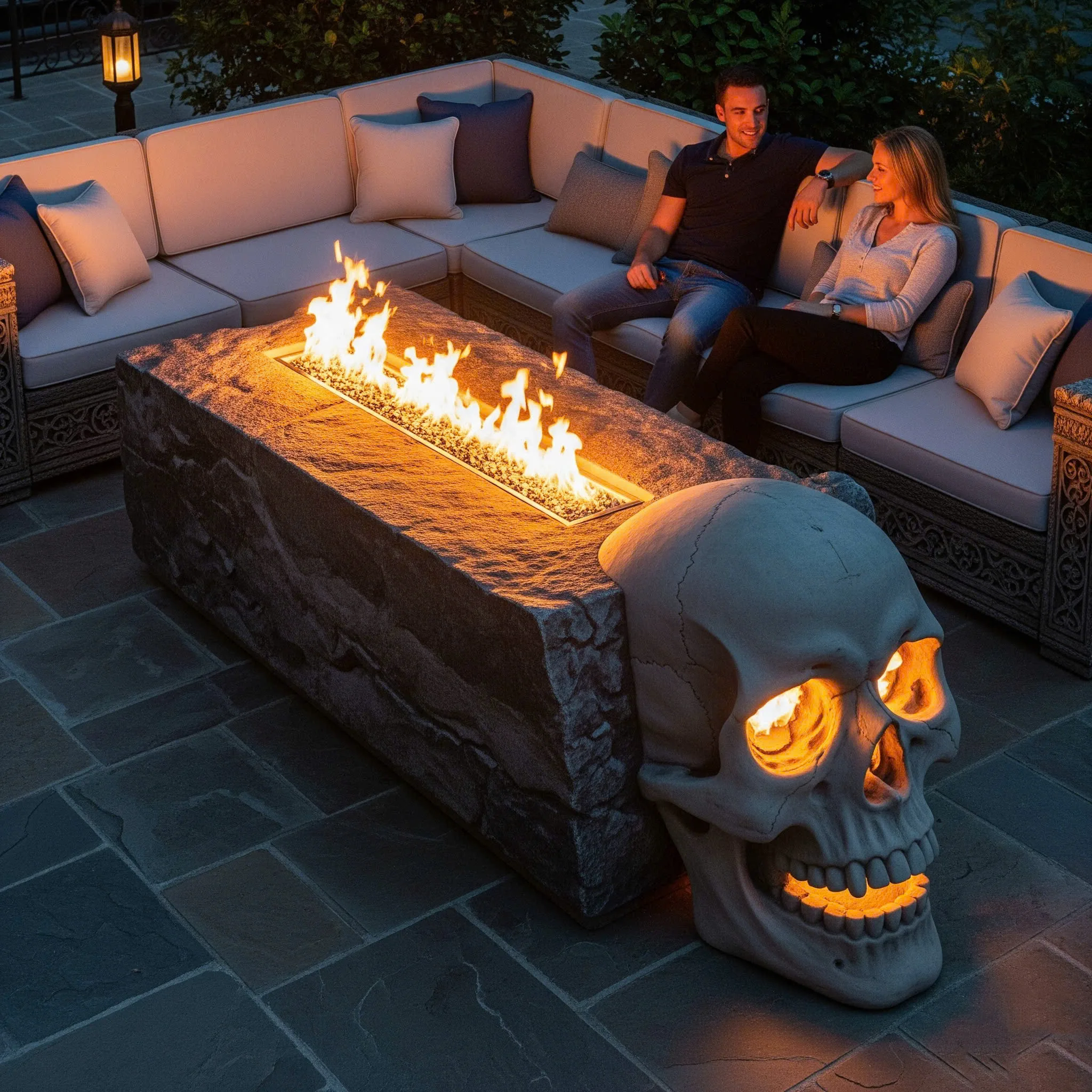
Stone also carries aesthetic richness. Each piece is unique, with natural variations in color, texture, and pattern. A skull carved from stone exudes authenticity, grounding the design in natural beauty while conveying strength and permanence. It transforms the fire table into something more than functional furniture—it becomes a timeless piece of art that resonates with natural and cultural history.
The Fusion of Fire and Skull Imagery
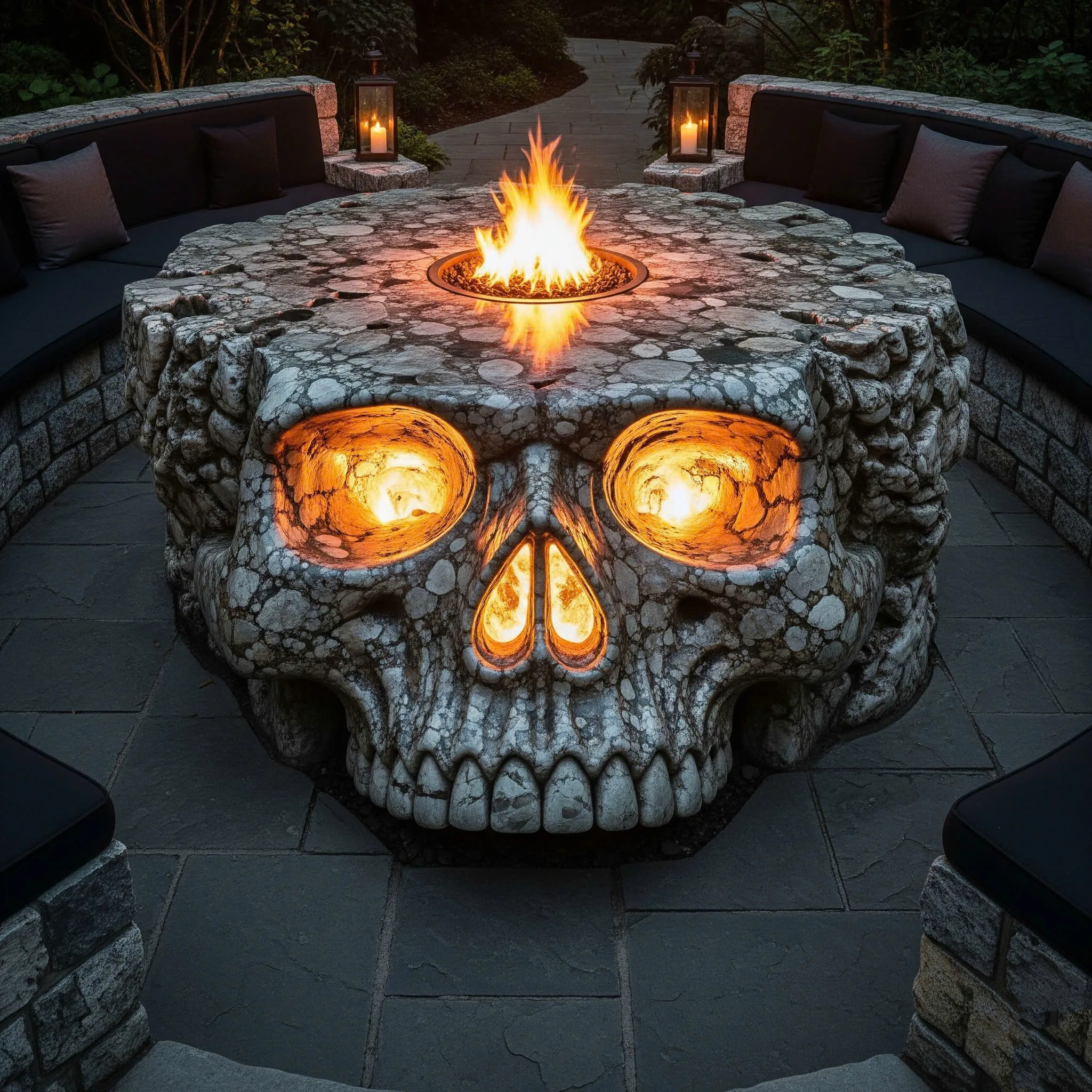
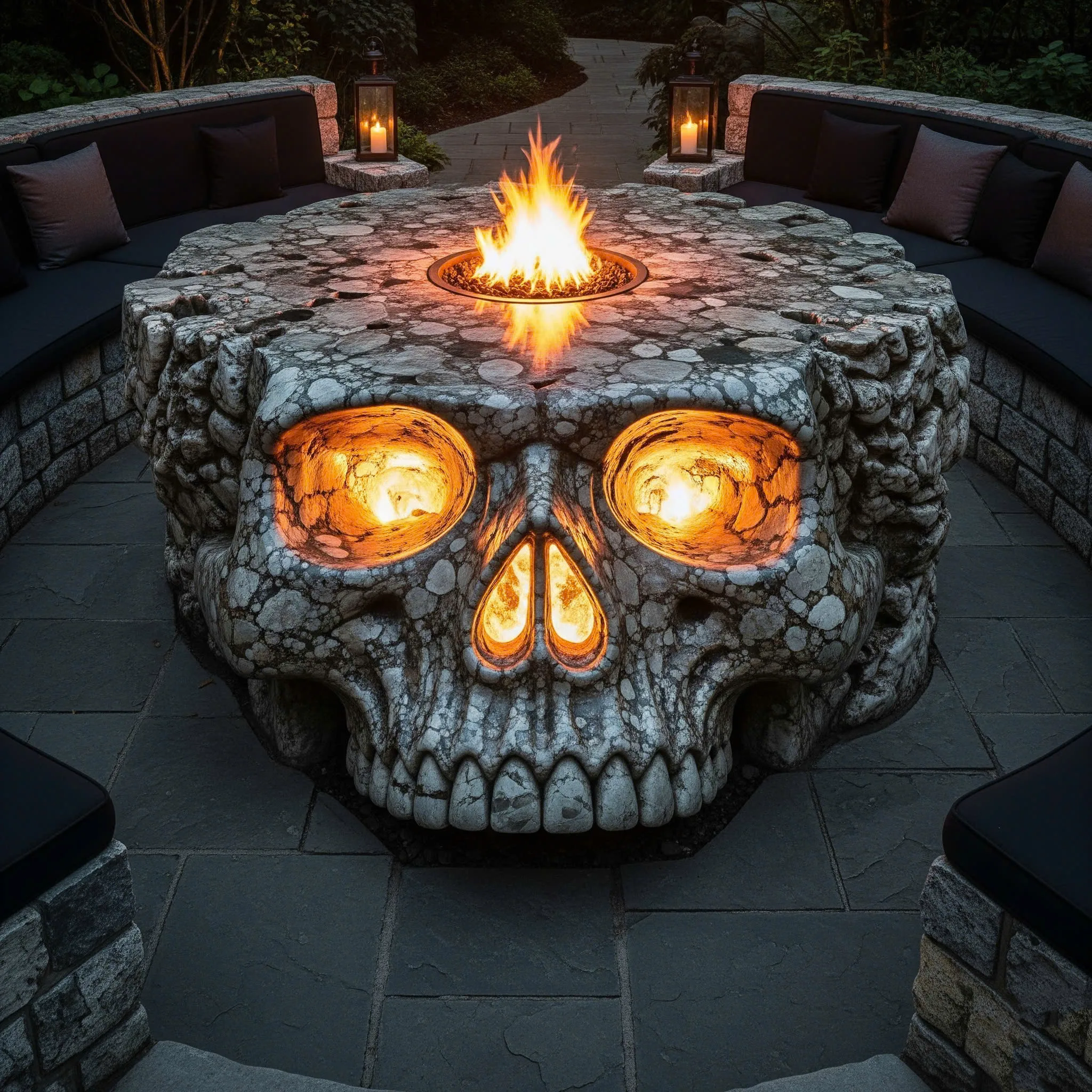
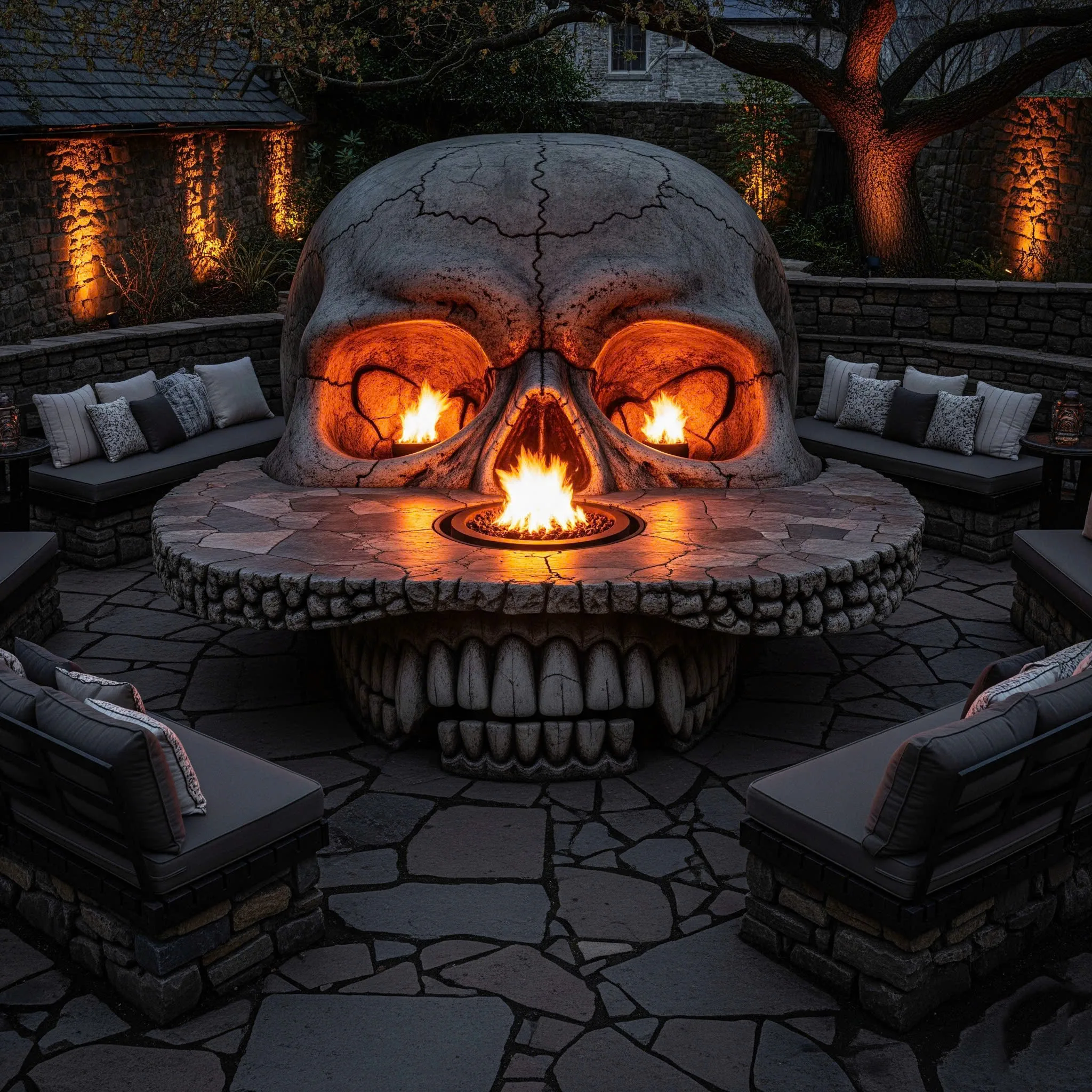
Few combinations are as visually and symbolically powerful as a skull emitting fire. The hollowed eye sockets glowing with flame, the jawline illuminated by flickering light, and the overall silhouette outlined against the night create a spectacle unlike any other. This fusion of imagery draws on primal human emotions—fear, awe, fascination, and reverence.
In psychological terms, humans are hardwired to be drawn to fire, as it represents survival. Similarly, skulls capture our attention because they symbolize the essence of human identity. Together, they form a compelling centerpiece that is impossible to ignore. For those who enjoy hosting gatherings, a stone skull shaped fire table ensures that every evening becomes a memorable event, with the fire creating not just warmth but also atmosphere and storytelling opportunities.
Design Variations and Customization
The beauty of stone skull shaped fire tables lies in their adaptability. They can be customized to suit diverse styles, themes, and purposes.
Realistic Stone Skulls – Detailed carvings mimic human anatomy, with precise features and lifelike contours. Flames pouring from the eye sockets or mouth create a strikingly dramatic effect.
Abstract Interpretations – Some designs lean toward artistic abstraction, emphasizing geometric shapes or stylized patterns inspired by skulls, appealing to modern minimalist aesthetics.
Cultural Motifs – Incorporating influences from Day of the Dead sugar skulls, Celtic knotwork, or tribal carvings, these designs celebrate cultural artistry while adding personal meaning.
Luxury Stone Skulls – Crafted from premium stones like marble, granite, or onyx, these versions merge elegance with boldness, ideal for high-end spaces seeking both opulence and originality.
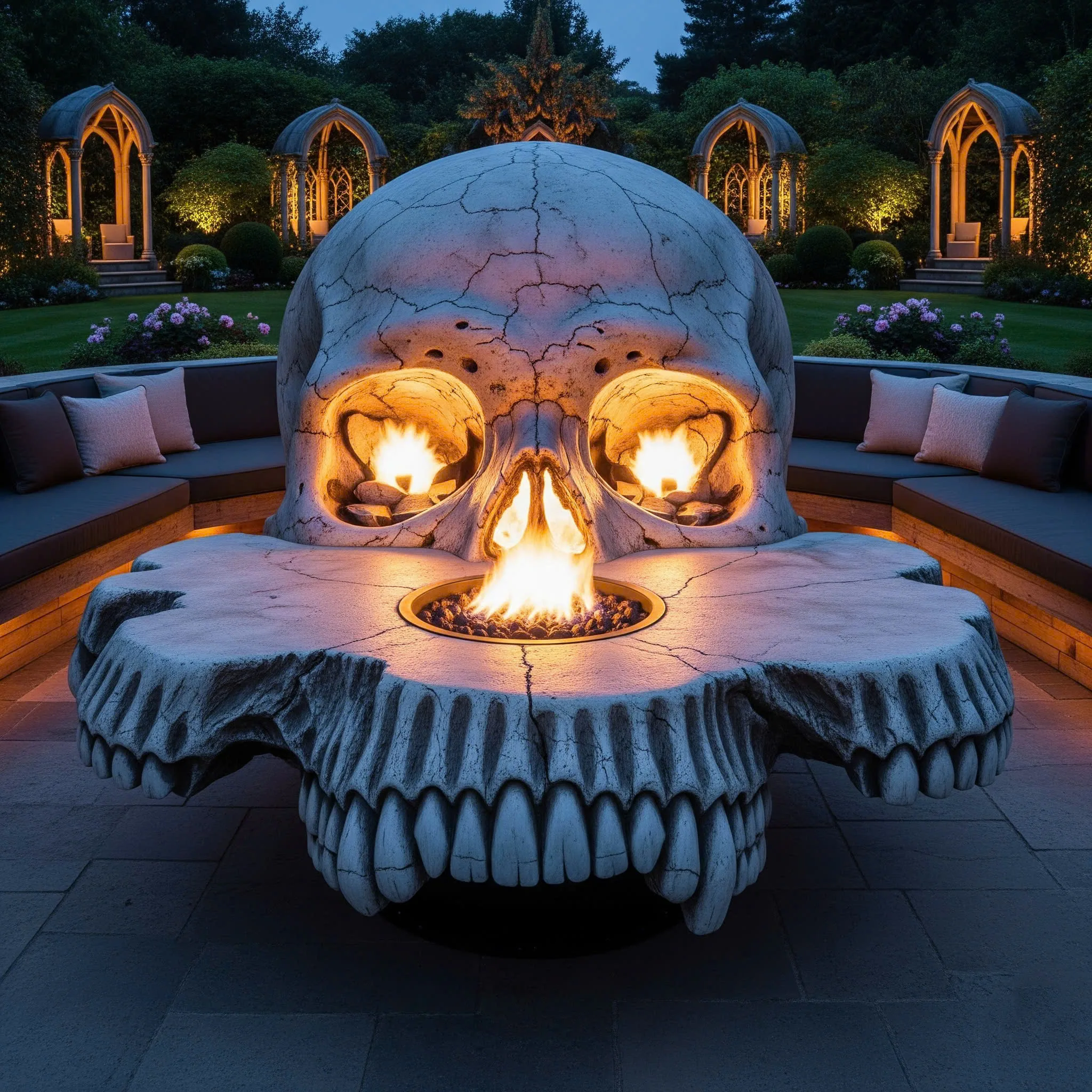
Functional Hybrids – Some stone skull fire tables integrate extra features like grilling surfaces, hidden storage, or tabletops around the skull for serving food and drinks.
By blending creativity with functionality, these variations allow homeowners, designers, and businesses to choose versions that align with their personal or brand identity.
Practical Benefits Beyond Aesthetics
While the artistry of skull shaped fire tables is undeniable, they also deliver practical advantages.
Warmth and Comfort – Like any fire table, they provide heat, extending the usability of outdoor spaces into cooler seasons.
Durability – Stone construction ensures long-term resilience against weather, heat, and wear.
Ease of Use – Many models integrate modern fuel systems, including propane, natural gas, or bioethanol, making them convenient and safe.
Low Maintenance – With sealed stone surfaces and removable burners, cleaning is relatively simple.
Eco-Friendly Options – Bioethanol-fueled skull fire tables emit minimal smoke and residue, aligning with environmentally conscious living.
By combining dramatic design with real-world functionality, stone skull shaped fire tables prove they are more than decorative curiosities—they are reliable fixtures that enhance everyday living.
Applications in Different Contexts
Stone skull fire tables are versatile, making them suitable for multiple environments:
Residential Backyards – They transform patios into extraordinary spaces for entertaining, perfect for late-night gatherings.
Themed Restaurants and Bars – Skull fire tables reinforce edgy, gothic, or tropical themes, creating unforgettable atmospheres.
Resorts and Retreats – Placed in luxury resorts or desert retreats, they serve as iconic design pieces that connect guests with primal aesthetics.
Art Installations – As functional sculptures, they fit seamlessly into public spaces or exhibitions, blending utility with conceptual art.
Cultural Festivals – Especially relevant for events like Día de los Muertos, skull fire tables can serve as focal points for celebration and remembrance.
Their adaptability across contexts highlights their universal appeal, transcending mere novelty to become meaningful design choices.
Emotional and Psychological Impact
A skull fire table evokes layered emotions—curiosity, excitement, reverence, and even catharsis. Watching fire dance through the eye sockets of a stone skull engages the imagination, sparking conversations and reflections on life, mortality, and transformation. For some, it becomes a source of empowerment, a daily reminder of strength and resilience. For others, it is a playful embrace of gothic aesthetics or a connection to cultural traditions. Importantly, these emotional impacts are not fleeting; they deepen over time, as the skull fire table becomes an integral part of rituals—family gatherings, parties, or moments of solitude.
Economic Value and Market Potential
In addition to their symbolic and functional appeal, stone skull shaped fire tables hold significant market value. The outdoor furniture industry continues to grow, with consumers increasingly prioritizing unique, statement-making pieces. Skull fire tables occupy a premium niche, appealing to customers seeking individuality and willing to invest in quality. For businesses, offering such unique fixtures can differentiate them in competitive markets. Resorts can charge higher rates by advertising distinctive amenities, while restaurants and bars can draw crowds through word-of-mouth and social media buzz. In residential real estate, unique outdoor features like skull fire tables can increase property appeal, setting listings apart.
The Future of Stone Skull Shaped Fire Tables
Looking ahead, the future of these fire tables promises even more innovation. Integrating smart technology, such as app-controlled flames, customizable lighting, and heat adjustment, could modernize the experience. Eco-conscious advancements will likely play a role, with cleaner fuels and sustainable stone sourcing. Artistic collaborations between designers, sculptors, and engineers may give rise to limited-edition masterpieces, blurring the line between furniture and fine art. As society increasingly values personalized living spaces, skull fire tables will continue to thrive as symbols of creativity, boldness, and cultural expression.
Conclusion
The stone skull shaped fire table is not merely a functional piece of outdoor furniture—it is a work of art, a cultural symbol, and a transformative experience. By merging the timeless allure of fire with the enduring symbolism of the skull and the permanence of stone, it creates something truly unique. These fire tables ignite not only flames but also conversations, emotions, and memories. They embody dualities: life and death, destruction and creation, tradition and innovation. Whether placed in homes, businesses, or public spaces, they elevate environments into extraordinary realms of design and meaning.
For those who seek the perfect and unique choice—something that goes beyond the ordinary to capture imagination and spirit—the stone skull shaped fire table stands unrivaled. It is a testament to human creativity, a celebration of cultural symbolism, and a practical investment that redefines what it means to gather around the fire in the modern world.