The idea of a VW Beetle inspired cargo bike captures a playful yet practical fusion of nostalgic curves with modern urban needs. It invites riders to rethink how design can influence everyday transport, from groceries to gear, and from kids to containers. In this article we explore the concept from multiple angles, illustrating how a vehicle that nods to a beloved classic can evolve into a contemporary mobility solution. Whether you’re a cyclist, a maker, or simply curious about how aesthetics intersect with function, the journey through these sections will offer fresh perspectives on the world of cargo bikes and their future.
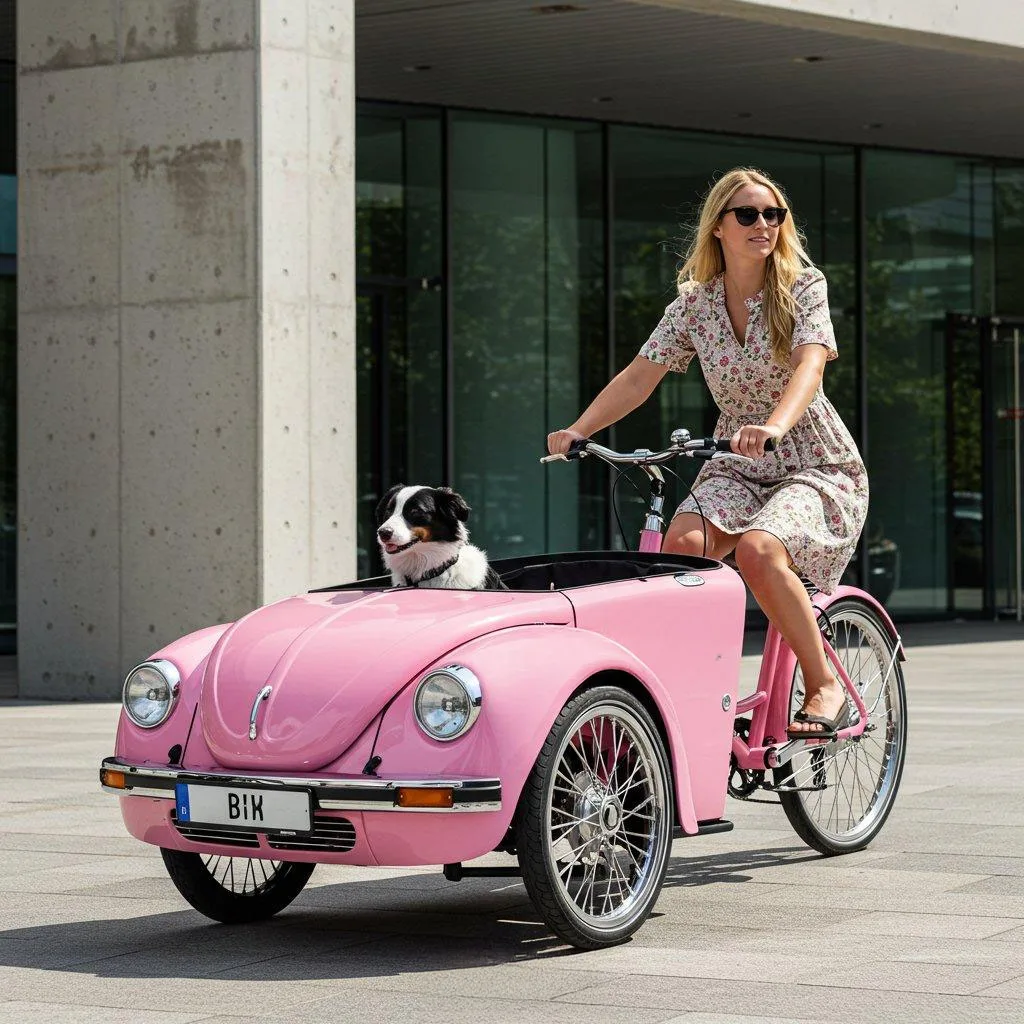
Design Philosophy and Evolution
Design philosophy is the compass guiding every innovative cargo bike, especially one that channels iconic automotive silhouettes. When a project nods to the Beetle, it isn’t merely about aesthetics; it’s about translating a familiar profile into practical geometry, weight distribution, and user-friendly interfaces. The result is a bike that feels approachable to newcomers while still offering depth for enthusiasts who crave details such as ergonomic handlebars, stable chassis, and predictable handling in crowded city streets.
The evolution from a vintage silhouette to a fully functional cargo platform requires a careful dialogue between form and function. The classic Beetle’s rounded fenders, compact stance, and distinctive front end can inspire a cargo bike’s fork geometry, rear rack mounting, and cargo area with a low load height. This synergy creates a machine that is visually recognizable yet purpose-built for carrying loads. In this design journey, designers often experiment with panel curvature, paint treatments, and surface continuity to maintain retro vibes without compromising safety and stability.
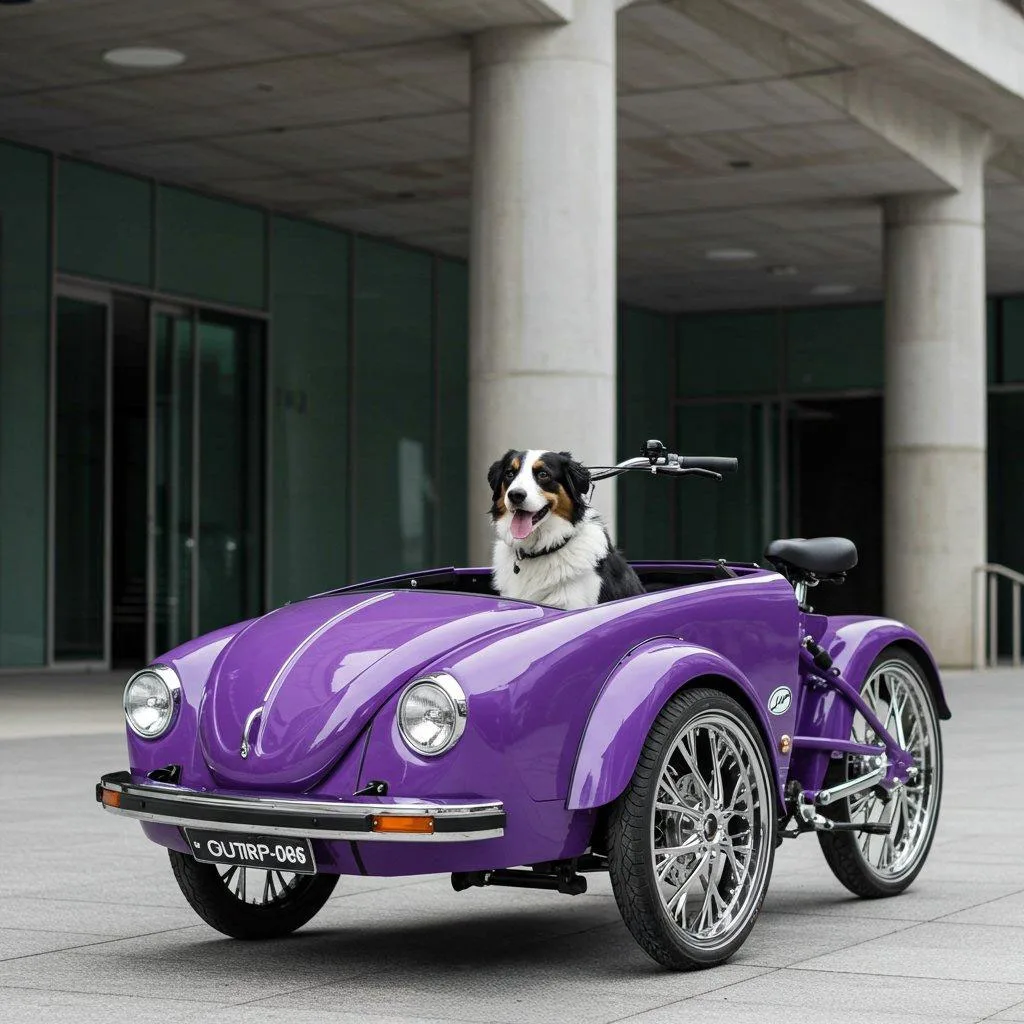
A deeper layer of evolution concerns materials and manufacturing processes. Modern iterations prefer lightweight alloys or high-strength composites for the chassis, with steel still used in critical joints for durability. The balance between weight, stiffness, and cost becomes a playful engineering constraint—one that invites creative solutions such as modular attachments, swappable cargo bays, and integrated lighting that echoes the Beetle’s classic chrome accents. The end result is a vehicle that feels timeless yet resilient to the rigors of daily urban life.
As you consider the design narrative, think about how a nostalgic form can be reimagined to suit contemporary mobility. The philosophy behind a vw beetle inspired cargo bike is not to copy the old but to reinterpret its spirit: approachability, reliability, and a hint of whimsy. This mindset makes the bike approachable to riders of all ages while still offering the bold personality that sets it apart in a crowded market. The practical takeaway is that strong design can drive adoption by offering emotional resonance alongside tangible benefits.
The discussion of design also touches on accessibility and inclusivity. How can a cargo bike be designed so that families, small business owners, and older riders feel confident using it? Features such as low step-through frames, stable kickstands, intuitive cargo latches, and robust braking architectures contribute to a sense of security. When the design communicates ease of use at a glance, people are more likely to incorporate it into their daily routines—expanding the market beyond niche enthusiasts to everyday commuters.
In summary, the design philosophy behind a vw beetle inspired cargo bike blends retro charm with modern engineering, resulting in a product that is both visually compelling and practically dependable. The best iterations honor the Beetle’s spirit while delivering a cargo experience that is accessible, safe, and wonderfully nostalgic.
Practicality and Everyday Use
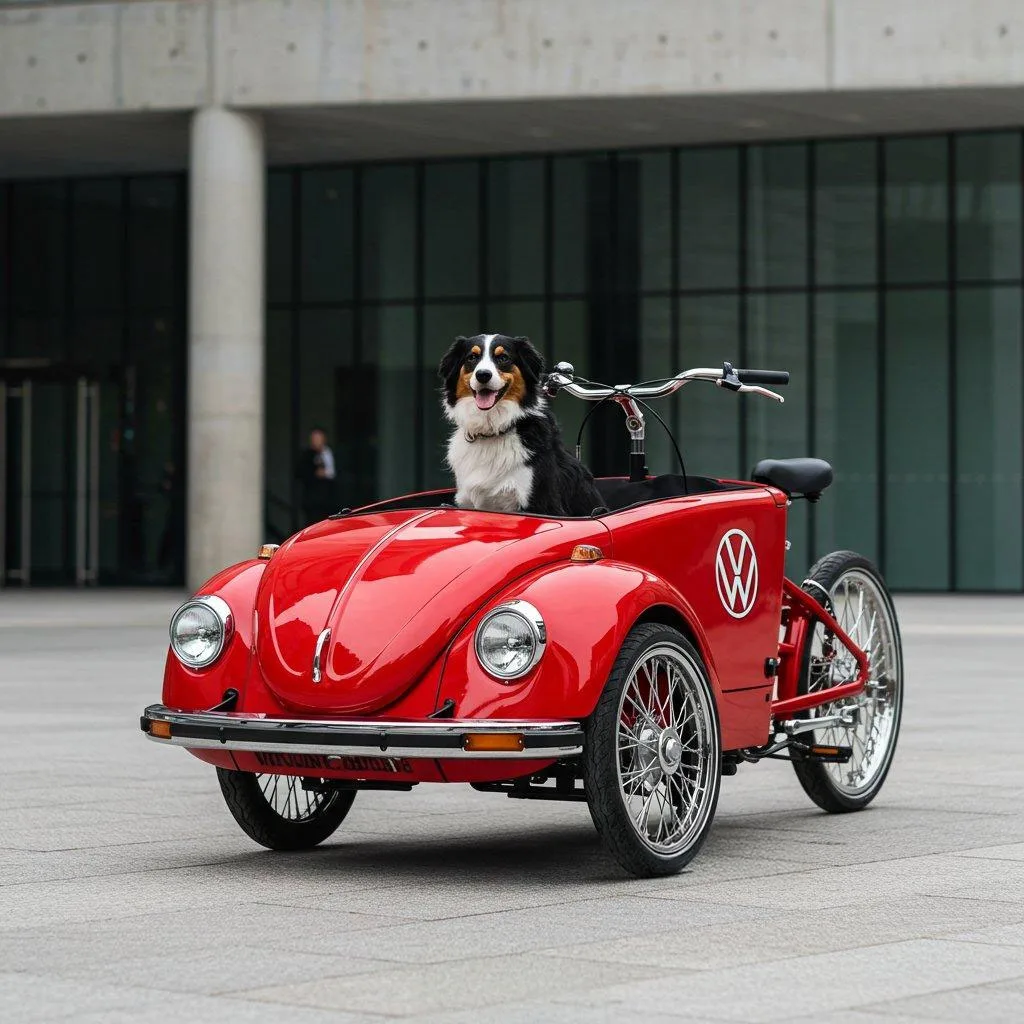
Translation from concept to daily life is where a cargo bike earns its stripes. A vehicle inspired by a classic impera—it must handle groceries, school runs, errands, and weekend outings with equal grace. The practicality of a vw beetle inspired cargo bike rests on intelligent cargo integration, balanced weight distribution, and intuitive ergonomics that reduce fatigue. The bike’s geometry should promote upright riding, stable wheelbase, and predictable acceleration, which are essential when you’re steering with a bundle of groceries or transporting a child’s backpack in a busy environment.
Before you buy or build, map the typical loads you anticipate. This step informs decisions about cargo bay dimensions, rack strength, and the compatibility of modular storage solutions. A well-conceived design considers not just the height of the cargo area, but the center of gravity and how payload affects steering and braking. By planning around real-world tasks, you ensure the bike remains a reliable daily companion rather than a novelty with limited usefulness.
A practical rider experience hinges on components chosen for longevity and serviceability. For example, wheel choices influence not only ride quality but also maintenance costs. Wider tires provide stability and grip on uneven urban surfaces, while robust brakes—such as hydraulic disc systems—offer consistent performance in wet weather. The drivetrain should be resilient enough to withstand frequent starts and stops, with gearing that accommodates both flat routes and gentle hills. When maintenance intervals are predictable and parts readily available, your cargo bike remains functional without becoming a burden.

Riding posture and comfort are top priorities for everyday use. A low step-through frame combined with a comfortable saddle and adjustable handlebars enables a broad range of rider heights to find a natural position. Ergonomic grips and intuitive control layouts reduce fatigue and improve safety, especially on longer trips. A well-designed lighting plan, including integrated daytime running lights and rear indicators, increases visibility and confidence in mixed traffic.
Finally, consider the broader lifestyle implications. A cargo bike encourages sustainable habits, reduces carbon footprints, and can inspire community-minded choices—such as supporting local markets, sharing rides with neighbors, or using the bike for school transportation. The practical magic lies in making daily tasks more efficient, enjoyable, and environmentally friendly. With thoughtful design and everyday-use testing, a vw beetle inspired cargo bike becomes not just a transportation option, but a catalyst for healthier routines.
Technical Build and Customization
Technical choices define durability, performance, and the ability to tailor a vehicle to your exact needs. The concept of a vw beetle inspired cargo bike invites a playful yet rigorous approach to frame design, material selection, and component integration. In this section, we explore how a builder can navigate the complexities of creating a robust, customizable platform that still feels true to its retro inspiration.
A first pillar is the chassis. A strong frame with appropriate stiffness-to-weight ratio is essential for safety and long-term reliability. Builders often use hybrid materials—combining aluminum for weight savings with steel reinforcements at critical joints—to achieve a balance between rigidity and ease of repair. The geometry should preserve stable handling under load, with careful attention to fork and rear triangle dynamics to minimize pedal bob and flexible movement when hauling heavy cargo.
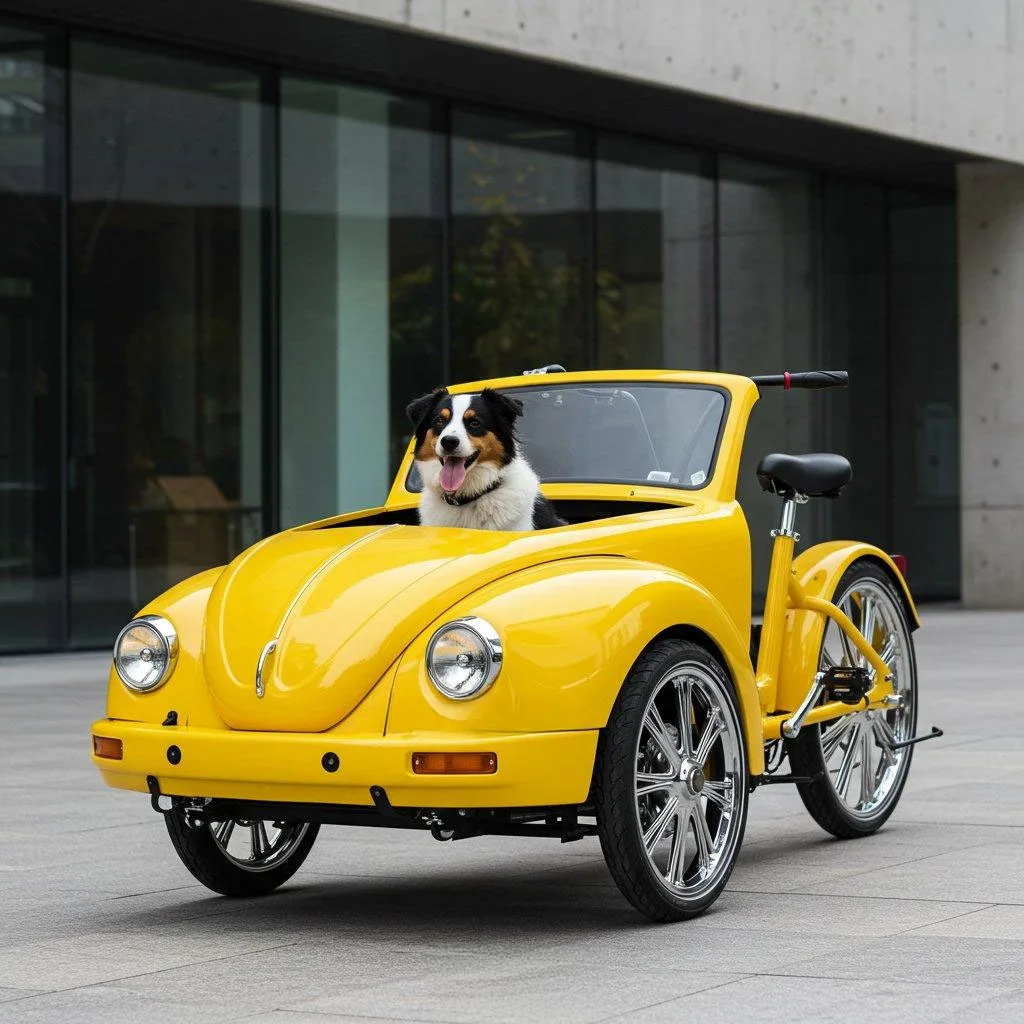
Next comes the cargo integration. Modular cargo bays, panniers, and tie-down points should be designed to accommodate various load sizes and shapes. Quick-release mechanisms and adjustable straps simplify packing and unloading, enabling you to switch from groceries to tools to kids’ bags in minutes. The design may also feature weatherproof compartments, UV-resistant interiors, and sealable pockets to protect sensitive items.
Electronics and drivetrain technology play a growing role in modern cargo bikes. An efficient hub motor or mid-drive system can provide steady power, while a compact battery pack is strategically placed to maintain balance and protect electronics from the elements. A well-thought-out wiring harness, along with weatherproof connectors, reduces maintenance headaches and increases the bike’s reliability across seasons. If you’re pursuing a high-performance setup, consider regenerative braking options and smart energy management to maximize range and efficiency during stop-and-go city riding.
Customization is where this category shines. Beyond color options and decals, builders can tailor racks, step-through heights, and contact surfaces to suit personal preferences. Some riders opt for flatbed cargo platforms with removable dividers for flexible use, while others prefer multi-level storage to separate groceries from fragile items. Accessories such as child seats, rain covers, or insulated food bags expand the bike’s utility and broaden its appeal to families and small businesses alike.
One of the most important aspects of customization is safety testing. Before you ride with heavy loads, perform static and dynamic tests to confirm that braking performance, steering responsiveness, and component clearances remain safe under all anticipated conditions. Documenting test results and maintaining records helps ensure that upgrades do not compromise safety. In this way, customization becomes a collaborative process between rider, builder, and engineer, resulting in a device that remains reliable and beloved over years of use.
In summary, the technical build and customization of a vw beetle inspired cargo bike blend robust engineering with creative adaptation. The outcome is a platform that can be tuned to personal needs while retaining the charm of its retro muse. A carefully designed build invites experimentation and personalization, turning a practical machine into a lifelong companion on the road.
Cultural Impact and Future of Cargo Biking
The cultural impact of a vw beetle inspired cargo bike extends beyond individual riders to communities and cities. Iconic designs often spark conversations about sustainability, urban planning, and the evolving role of bicycles in daily life. When a vehicle channels a beloved Beetle aesthetic, it invites people to pause and consider how design history influences present choices. This cross-pollination can drive demand for local manufacturing, repair-friendly ecosystems, and policies that support safer, cleaner streets for riders of all ages.
Public perception plays a pivotal role in adoption rates. A vehicle that blends whimsy with practicality can attract new riders who might not otherwise consider a traditional bike or car. The nostalgic resonance of the Beetle appeals to families seeking adventures with less environmental impact and to entrepreneurs who want a distinctive brand image on their last-mile deliveries. The result is a broader, more inclusive cycling culture that sees cargo bikes as legitimate tools for work, family life, and community engagement.
Education and outreach are essential for expanding uptake. Workshops that cover proper loading techniques, maintenance routines, and safety guidelines help new riders gain confidence. Local clubs can organize rides, cargo-bike parades, and community-supported events that showcase the versatility of these machines. When people experience first-hand how a cargo bike can replace car trips for many daily tasks, they begin to reimagine what is possible in their neighborhoods.
The future of cargo biking is likely to hinge on three interlocking trends: smarter integration with urban infrastructure, advances in lightweight materials and battery technology, and more sophisticated sharing and rental models. A vw beetle inspired cargo bike embodies these trajectories by demonstrating how classic aesthetics can coexist with high-tech solutions. As cities pursue carbon-neutral goals and more active transportation networks, cargo bikes will likely become a more visible and integral part of the urban mobility mix.
As a closing reflection, the cultural impact of this design approach is a reminder that innovation does not require rejection of the past. Instead, it invites us to honor history while resolving contemporary challenges with creativity, resilience, and care for our communities. The idea of a vw beetle inspired cargo bike embodies this spirit, offering a charming, capable, and forward-looking option for those who want to ride with both heart and horsepower.
Conclusion
The exploration of a vw beetle inspired cargo bike reveals a harmonious blend of retro charm and contemporary practicality. From design philosophy and everyday usability to technical build and cultural influence, these bikes invite a new way of thinking about urban transportation. They remind us that form can inspire function, and function can elevate form into a living, breathing part of our daily lives. If you’re considering a project, a purchase, or simply a design study, this concept provides a rich, imaginative framework for reimagining how we move through our cities with style, efficiency, and a wink to the past.