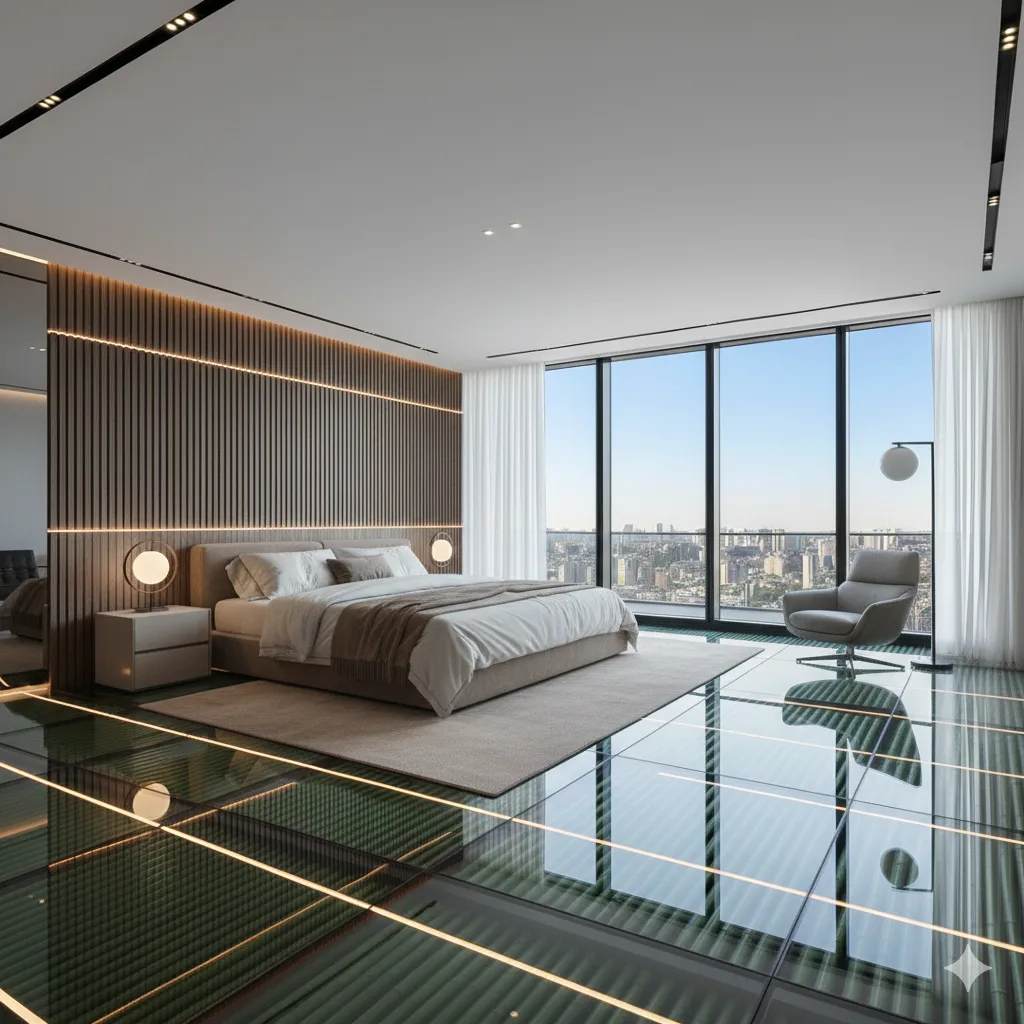
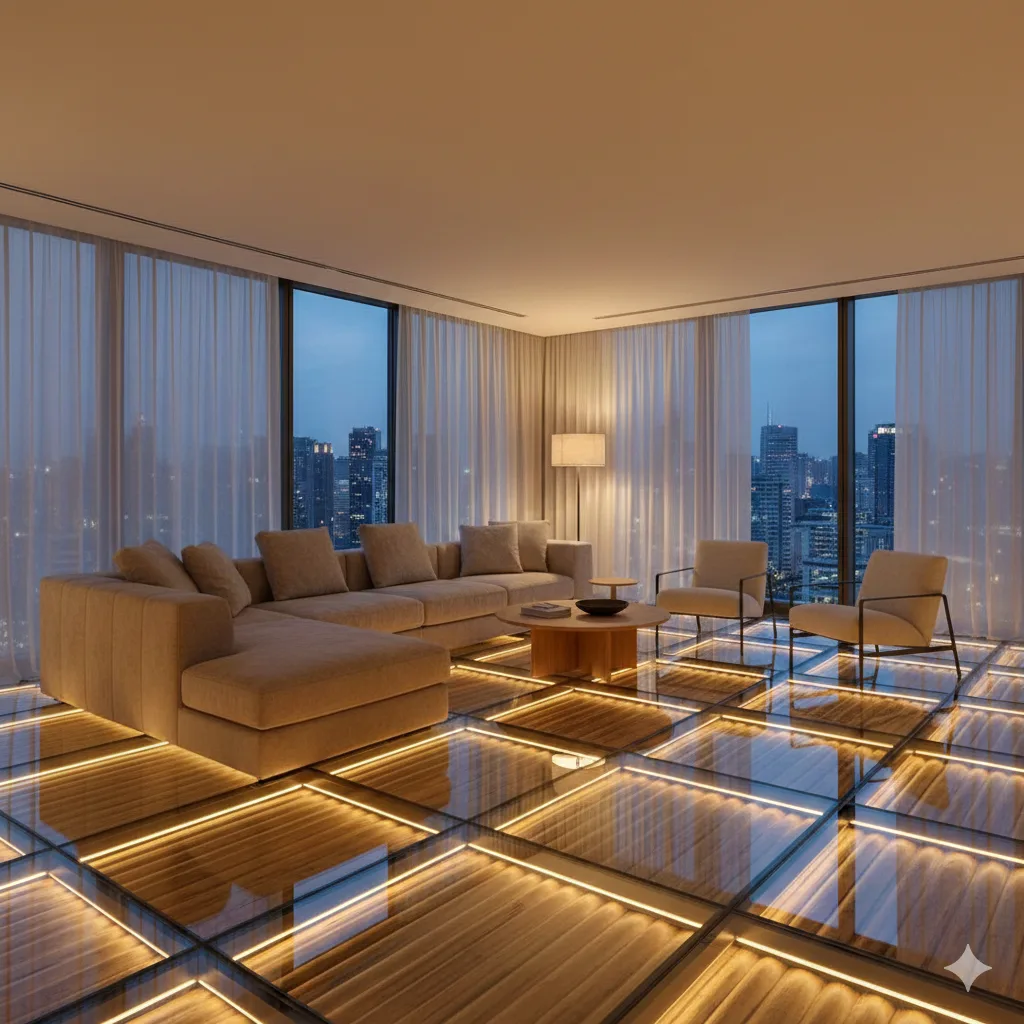
Epoxy Bamboo Flooring offers a stunning blend of eco-friendliness and resilience, making it an appealing option for homeowners and designers seeking sustainable yet durable surfaces. This innovative flooring combines the natural beauty of bamboo with the hard-wearing characteristics of epoxy resin, creating a unique flooring solution that stands out in both aesthetics and functionality. Whether you’re renovating a contemporary space or looking for an environmentally conscious upgrade, Epoxy Bamboo Flooring provides an inspiring choice that balances style, sustainability, and strength.
In this article, we will explore how to use Epoxy Bamboo Flooring effectively, examine various examples of its application, compare it with other flooring options, and provide expert advice to help you make informed decisions for your project.
The Versatility and Application of Epoxy Bamboo Flooring in Interior Design
Epoxy Bamboo Flooring has increasingly gained popularity due to its adaptability across different spaces. Its seamless surface and customizable appearance make it suitable for both residential and commercial environments. Understanding how to bring out the best in this material lets homeowners and designers create visually striking interiors that are also eco-friendly.
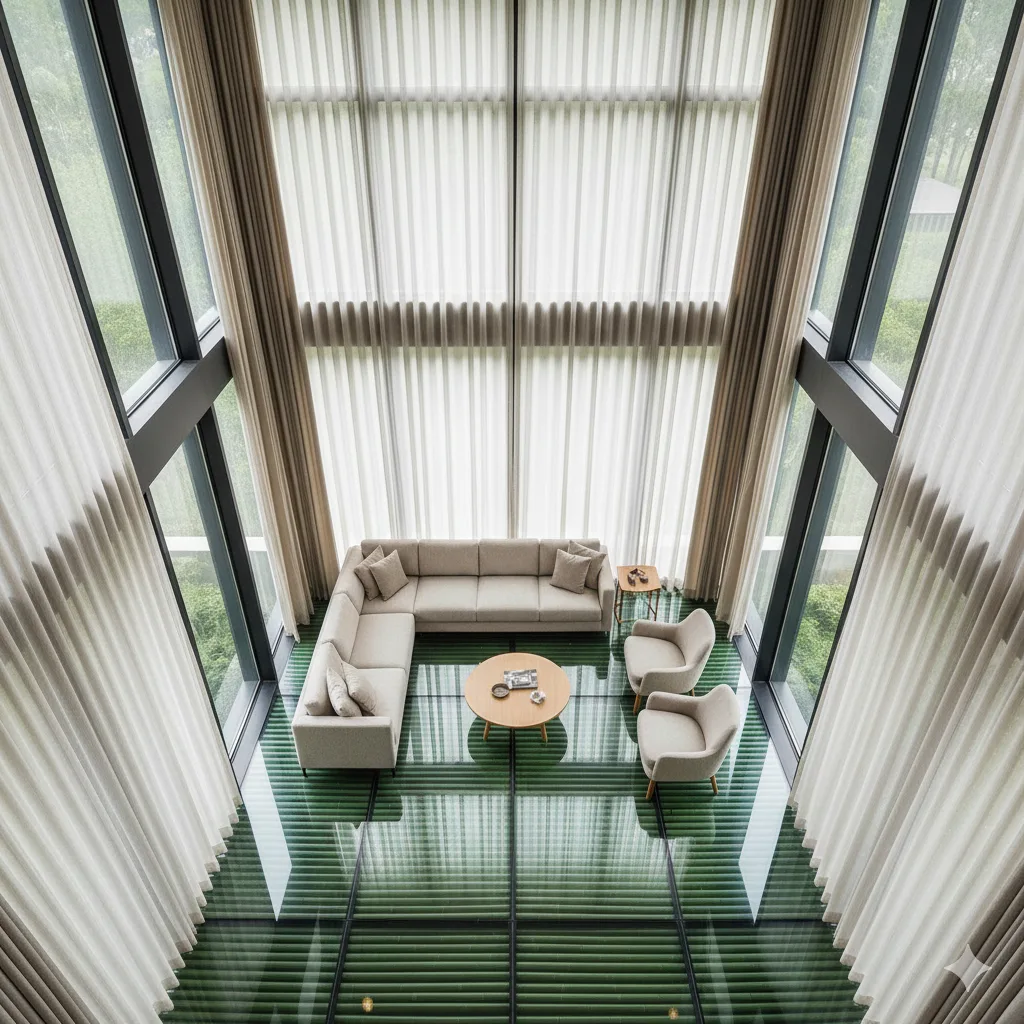
This section delves into the myriad ways Epoxy Bamboo Flooring can be incorporated into various settings, demonstrating its versatility and practical applications.
Creating Custom Color and Pattern Effects
One of the primary advantages of Epoxy Bamboo Flooring is the ability to customize its look through color mixing and pattern design. The epoxy resin used as a base can be tinted with an array of pigments, allowing for creative expressions that complement any interior style. For instance, homeowners seeking a natural, earthy look can opt for subtle tones, while those aiming for a modern or industrial aesthetic might choose bold, contrasting colors.
By experimenting with pigments and layered designs, designers can craft intricate patterns such as geometric shapes, floral motifs, or even simulating woodgrain textures. The flexibility of epoxy allows for seamless integration between the bamboo material and artistic elements, resulting in a truly unique flooring piece. This creative process enhances the overall ambiance of a space, making the flooring not just functional but also a focal point of visual interest.
Practical Installation Tips
Using Epoxy Bamboo Flooring efficiently requires proper preparation and installation. Before applying epoxy, it is critical to ensure that the bamboo surface is thoroughly cleaned and stabilized. Any moisture or debris can compromise the adhesion and durability of the epoxy layer, so meticulous surface preparation is essential.
During installation, mixing the epoxy resin components accurately and applying them in controlled, uniform layers will determine the final finish’s quality. For larger areas, employing professional installers who are experienced with epoxy applications guarantees consistency and a high-quality outcome. Post-installation, allowing sufficient curing time and applying protective topcoats prolongs the lifespan of the flooring, ensuring that it remains visually appealing and resilient over years of use.
Use Cases in Commercial and Residential Spaces
Epoxy Bamboo Flooring is well-suited for a variety of environments — from cozy homes to bustling commercial spaces. Its durability makes it a favorite choice for high-traffic areas such as kitchens, hallways, or retail stores. The seamless nature of epoxy surfaces simplifies cleaning procedures, which is particularly advantageous in environments requiring hygiene and maintenance efficiency.
In residential settings, Epoxy Bamboo Flooring adds warmth and a natural aesthetic, creating cozy atmospheres in living rooms, bedrooms, and kitchens. Its eco-friendly properties appeal to environmentally conscious homeowners, providing a sustainable flooring option that doesn’t compromise style. Commercially, the resilience and customizability of this flooring support vibrant retail outlets, offices, art galleries, and restaurants, where visual impact and longevity are paramount.
Comparing Epoxy Bamboo Flooring with Traditional and Modern Alternatives
Choosing the right flooring requires understanding how Epoxy Bamboo Flooring measures up against conventional options such as hardwood, laminate, concrete, or vinyl. Each material has its own strengths and limitations, and a detailed comparison can help you make an informed decision aligned with your needs and values.
This section explores the advantages and disadvantages of Epoxy Bamboo Flooring compared to other popular flooring materials, highlighting its unique features and potential drawbacks.
Durability and Maintenance
Epoxy Bamboo Flooring is renowned for its impressive durability and ease of maintenance. The epoxy resin coating significantly enhances the natural strength of bamboo, creating a surface resistant to scratches, impacts, and moisture. Unlike traditional bamboo or hardwood, which may be prone to dents or warping over time, epoxy bamboo floors maintain their integrity even in high-traffic areas.
In contrast, materials like laminate or vinyl may struggle with long-term wear and may require replacement or repair sooner. While concrete floors also boast durability, they can be cold and hard underfoot without additional treatments. Regular cleaning of epoxy bamboo floors involves simple sweeping and damp mopping, with periodic resealing recommended to preserve their luster. This low-maintenance aspect makes epoxy bamboo an attractive choice for busy households and commercial enterprises.
Aesthetic Appeal and Customization Options
When comparing aesthetic versatility, epoxy bamboo flooring shines due to its ability to be customized extensively. The epoxy resin allows for vibrant colors, embedded designs, and layered effects that can be tailored perfectly to an interior concept. This level of customization surpasses the options typically available with hardwood or laminate flooring, which may be limited in palette and pattern variety.
Traditional bamboo floors offer a natural aesthetic with a warm, understated appearance. However, they lack the visual customization possibilities of epoxy-based surfaces. Vinyl and laminate provide a range of printed patterns, but they often fall short in replicating the depth and texture achievable through epoxy techniques. Whether aiming for a sleek modern look or a rustic, organic feel, epoxy bamboo delivers unparalleled flexibility in design.
Environmental Impact and Sustainability
One of the key considerations in modern flooring choices is sustainability. Epoxy Bamboo Flooring stands out as an eco-friendly option because bamboo is a fast-growing, renewable resource. When combined with environmentally conscious manufacturing practices, epoxy bamboo flooring can significantly reduce ecological footprints compared to traditional hardwood or synthetic materials.
However, it’s important to acknowledge that the epoxy resin itself is a chemical product with environmental considerations. Advances in non-toxic, low-VOC epoxy formulations have mitigated some of these concerns. The longer lifespan and low maintenance requirements of epoxy bamboo flooring also contribute to sustainability, as fewer replacements and repairs are needed over time. Overall, this flooring option aligns well with eco-conscious values, provided that sustainable sourcing and eco-friendly resins are prioritized.
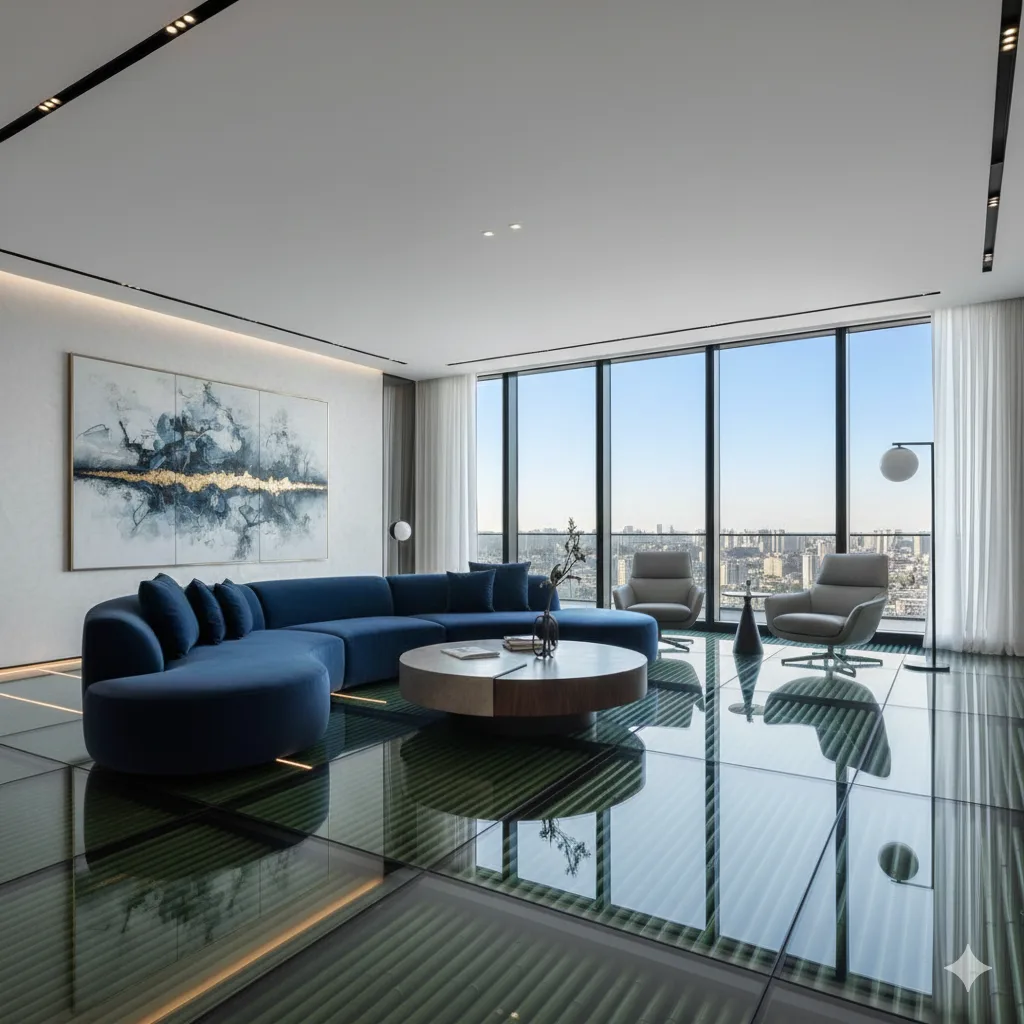
Expert Advice for Choosing and Maintaining Epoxy Bamboo Flooring
Selecting the appropriate flooring solution involves careful consideration of a multitude of factors, including aesthetics, durability, environmental impact, and budget. Epoxy Bamboo Flooring combines many advantages but also requires specific maintenance and installation practices to maximize its benefits. Expert advice can help you optimize your investment and enjoy beautiful, sustainable floors for years to come.
This section provides practical tips and insights from industry professionals to guide your decision-making process and ensure the longevity of your epoxy bamboo surface.
Considerations Before Installation
Before installing epoxy bamboo flooring, it is crucial to assess your space’s specific needs and conditions. Factors such as moisture levels, foot traffic, and lighting should influence your choice of epoxy formulations and bamboo grade. Consulting with flooring specialists can help determine whether epoxy bamboo is suitable for your particular environment; for example, extremely humid areas might require additional sealing or moisture barriers.
Additionally, planning your design ahead of time allows for better coordination of colors, patterns, and finishes. Professionals often recommend sampling small sections before full installation, ensuring that the visual and tactile qualities meet your expectations. Proper preparation reduces the risk of future issues such as bubbling, cracking, or delamination, safeguarding your investment.
Best Practices for Longevity and Care
Maintaining epoxy bamboo flooring effectively involves routine cleaning and periodic inspections. Using non-abrasive cleaning tools and gentle detergents prevents scratching and preserves the epoxy’s integrity. Avoiding excessive moisture during cleaning minimizes the risk of epoxy degradation or bamboo warping. Applying a topcoat or sealant periodically enhances protection against stains and UV damage, especially in sunlit areas.
Experts also emphasize the importance of controlling weight and impact on the surface; felt pads on furniture and avoiding high heels can reduce surface wear. In case of scratches or chips, professional repairs can restore the seamless appearance without the need for complete reinstallation. Proper maintenance extends the lifespan of your epoxy bamboo floors, allowing you to enjoy their beauty and durability for decades.
Future Trends and Innovations in Epoxy Bamboo Flooring
As eco-consciousness and design technology evolve, innovations in epoxy bamboo flooring continue to emerge. Recent developments include bio-based epoxy resins with lower VOC emissions, enhancing the sustainability profile. Incorporation of embedded LED lighting or metallic particles creates innovative visual effects, appealing to avant-garde interior designers.
Furthermore, advancements in bamboo treatment and epoxy formulations increase the material’s resistance to scratches, heat, and UV exposure. These trends promise to expand the applications of epoxy bamboo flooring into more challenging environments, such as outdoor patios or industrial spaces. Staying informed about emerging technologies enables homeowners and architects to select flooring solutions that are not only beautiful but also future-proof and environmentally responsible.
Epoxy Bamboo Flooring combines natural beauty with exceptional durability, offering a sustainable, customizable, and resilient solution for modern interiors. Its versatility allows creative design applications, whether in residential or commercial spaces, and its comparative advantages in maintenance and environmental impact make it an increasingly popular choice among eco-minded consumers. Understanding how to use, choose, and care for this innovative flooring can help you craft visually stunning and sustainable environments that stand the test of time.