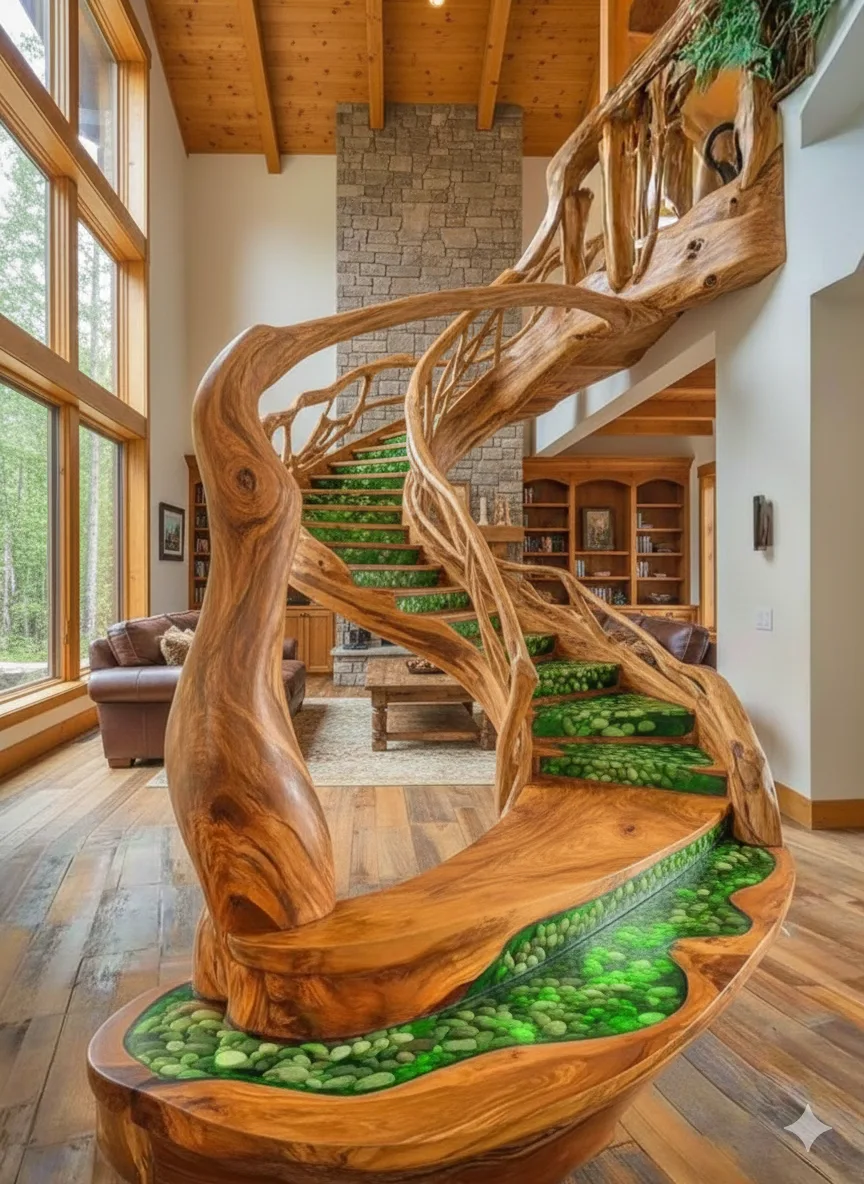
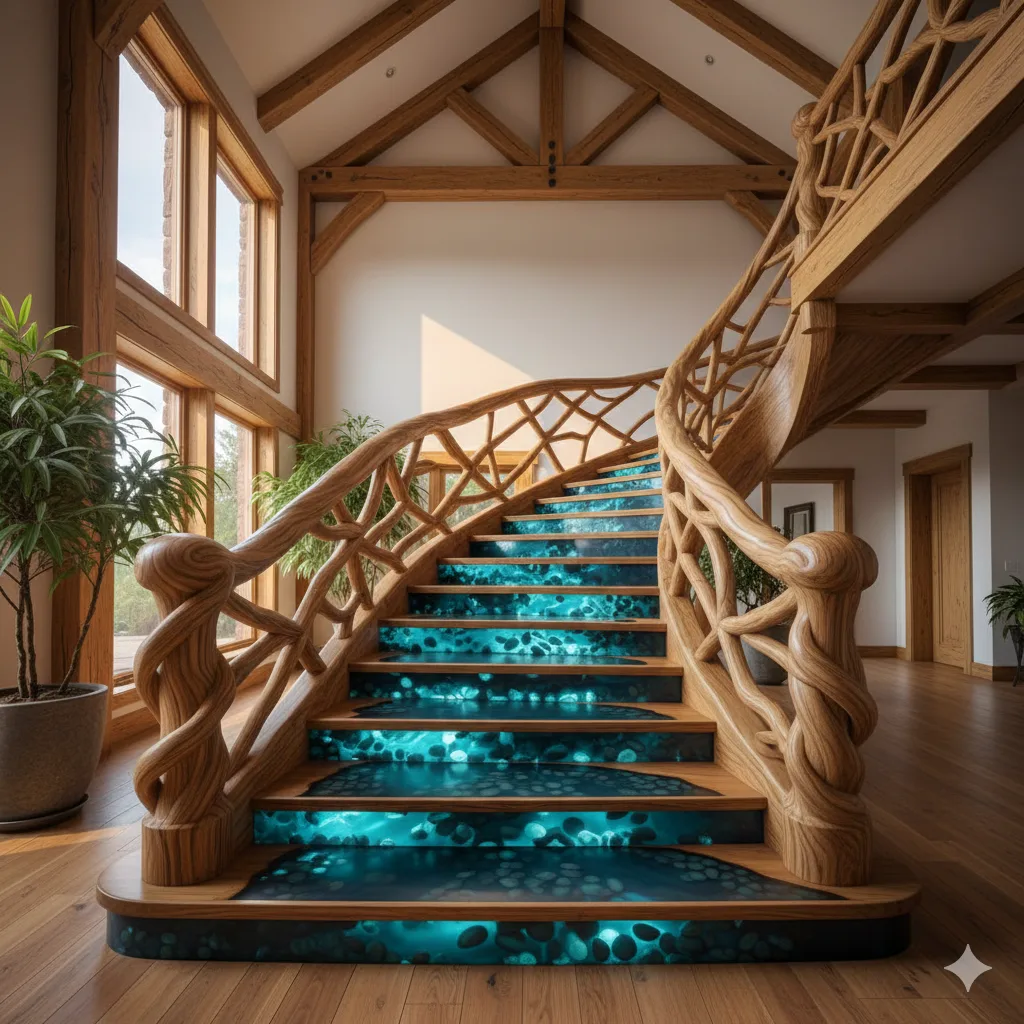
Unlock the potential of your space by incorporating a wood and epoxy pebble staircase—a captivating feature that merges organic textures with sleek contemporary aesthetics. Whether renovating a home or designing a commercial space, this type of staircase offers both functionality and artistic appeal. In this article, we’ll explore how to utilize, compare, and gain insights on incorporating a wood and epoxy pebble staircase into your project, ensuring a harmonious blend of natural and modern elements.
How to Use a Wood and Epoxy Pebble Staircase in Interior Design: A Guide to Creative Integration
When considering a wood and epoxy pebble staircase, it’s essential to understand how it can be employed to enhance your space. This staircase style is versatile, making it suitable for various settings—from rustic homes to contemporary offices. The key is to recognize the aesthetic and functional advantages to create a staircase that seamlessly integrates into your overall design.
A wood and epoxy pebble staircase serves as a statement piece that draws attention and adds warmth to any environment. Proper utilization involves selecting the right wood species, pebble styles, and epoxy techniques to match your interior theme. This guide offers practical advice and inspiring ideas to help you maximize the visual impact of your staircase.
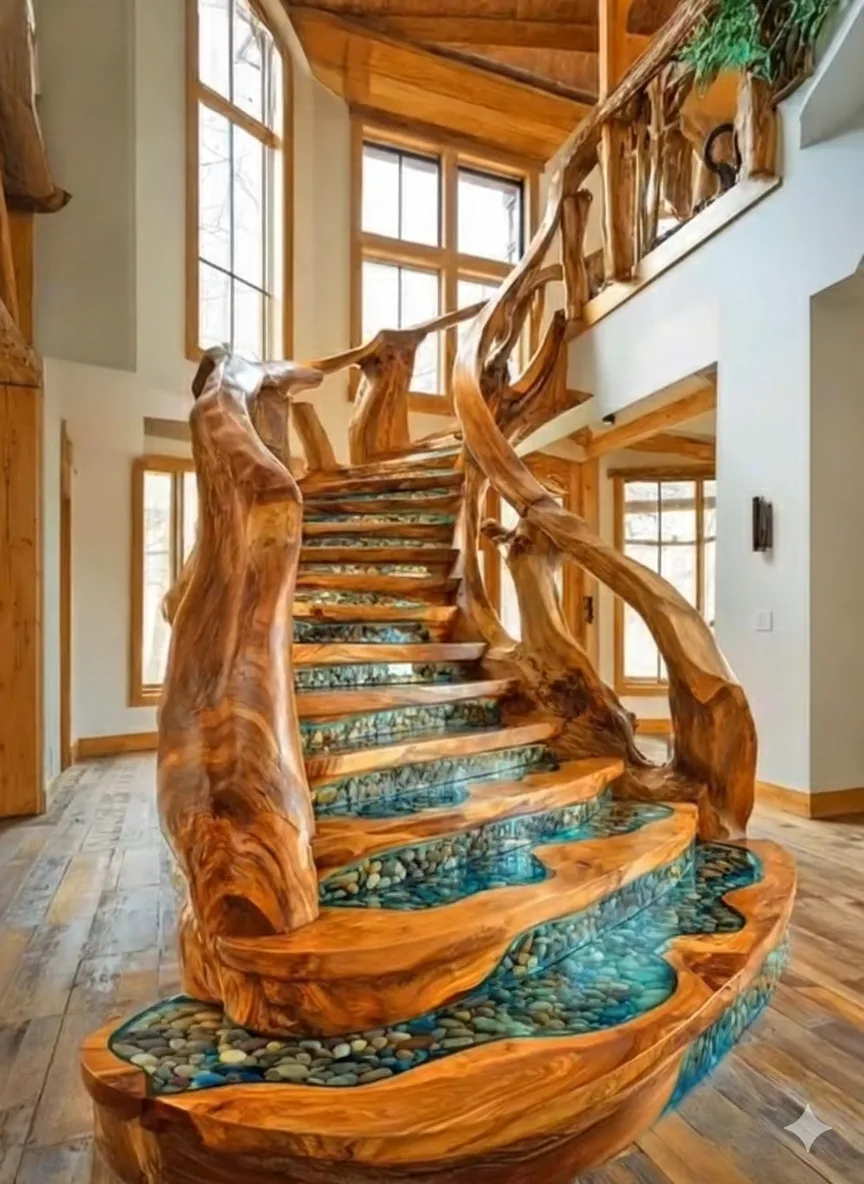
Incorporating a wood and epoxy pebble staircase is not solely about aesthetics but also about creating a functional centerpiece that endures over time. With the right planning, the staircase becomes a custom piece tailored to your spatial needs and stylistic preferences.
Selecting the Perfect Materials for Your Staircase
Choosing the right materials for this artistic staircase design begins with understanding the qualities of wood and epoxy. The combination of natural wood and translucent epoxy filled with pebbles creates a unique visual texture that can be customized to your taste.
Durability is a crucial consideration when selecting your wood. Hardwoods like oak, walnut, or maple are excellent choices because they withstand daily wear while maintaining their aesthetic appeal. These woods can be finished with either matte or glossy coatings to suit the intended style—rustic or modern.
Epoxy resin is known for its clear, glossy finish and strong adhesive properties, making it ideal for encapsulating pebbles. When selecting epoxy, ensure it is UV resistant to prevent yellowing over time, especially if your staircase will be exposed to sunlight. The pebbles themselves come in myriad sizes, shapes, and colors, offering endless customization options.
The interplay between the warm tone of the wood and the shimmering epoxy filled with pebbles creates a mesmerizing effect that becomes the focal point of any space. Proper material selection sets the foundation for a durable, aesthetically pleasing wood and epoxy pebble staircase.
Design Considerations and Aesthetic Harmony
Designing a wood and epoxy pebble staircase involves more than just assembling materials; it’s about creating a visually balanced structure that complements your interior. When contemplating the design, consider color schemes, the size of pebbles, and the shape of the staircase.
For instance, a staircase in a minimalist space could feature narrow, evenly spaced pebbles within the epoxy, emphasizing simplicity and elegance. Conversely, a more eclectic design might utilize varied pebble sizes and vibrant colors to evoke a playful, energetic ambiance.
The shape of stairs—straight, spiral, or floating—also influences the overall aesthetic. A floating staircase with hidden supports accentuates the beauty of the wood and epoxy combination, making the pebbles appear suspended in midair. In contrast, spiral staircases can introduce a dynamic visual that emphasizes craftsmanship and form.
Synchronization between the staircase and surrounding decor is key. For example, matching the wood finish with furniture or wall tones creates harmony. Highlighting the epoxy pebbles with strategic lighting further enhances their shimmer and texture, inviting closer admiration.
Maintenance and Longevity of Your Wood and Epoxy Pebble Staircase
Investment in a wood and epoxy pebble staircase requires understanding its maintenance to preserve its allure. Proper cleaning and care extend the lifespan and retain the aesthetic brilliance of this artistic feature.
Regular dusting and gentle cleaning with a damp cloth are sufficient for daily care. For more thorough cleaning, use mild detergents to avoid damaging the epoxy or wood finish. It’s essential to avoid harsh chemicals or abrasive scrubbers that could scratch or dull the surfaces.
Sealing the wood regularly with a quality finish or oil can help prevent moisture damage, warping, or discoloration. Epoxy surfaces, being highly resistant to stains and water, generally require minimal upkeep, but inspecting for chips or cracks is advisable. Repairing minor damages promptly preserves the integrity and beauty of the staircase.
Climate control also plays a role in maintaining structural stability. Excessive humidity can affect the wood, causing expansion or contraction, which might impact the epoxy’s adhesion over time. Installing dehumidifiers or ensuring proper ventilation can mitigate these issues.
By adopting these maintenance practices, your wood and epoxy pebble staircase remains a stunning and functional feature for years to come, blending artistry with durability in your interior design.
Comparing a Wood and Epoxy Pebble Staircase with Other Staircase Designs: Aesthetic & Functional Insights
When it comes to staircase design, choices abound—from traditional wood banisters to modern steel and glass configurations. Among these options, the wood and epoxy pebble staircase stands out for its unique combination of natural elegance and artistic innovation. Understanding how it compares with other popular designs helps in making an informed decision tailored to your space and style.
The main advantage of a wood and epoxy pebble staircase is its ability to serve as a show-stopping centerpiece, introducing texture and color that other designs might lack. Unlike typical wooden stairs, which often focus on simplicity and traditional craftsmanship, this style fuses organic elements with modern epoxy artistry, creating an immersive visual experience.
Compared to metal or glass staircases, the wood and epoxy pebble staircase exudes warmth and character, making it suitable for cozy, rustic interiors or striking contemporary spaces. The tactile quality of pebbles in epoxy offers a contrast to smooth glass panels or sleek metal, providing a more inviting and grounded aesthetic experience.
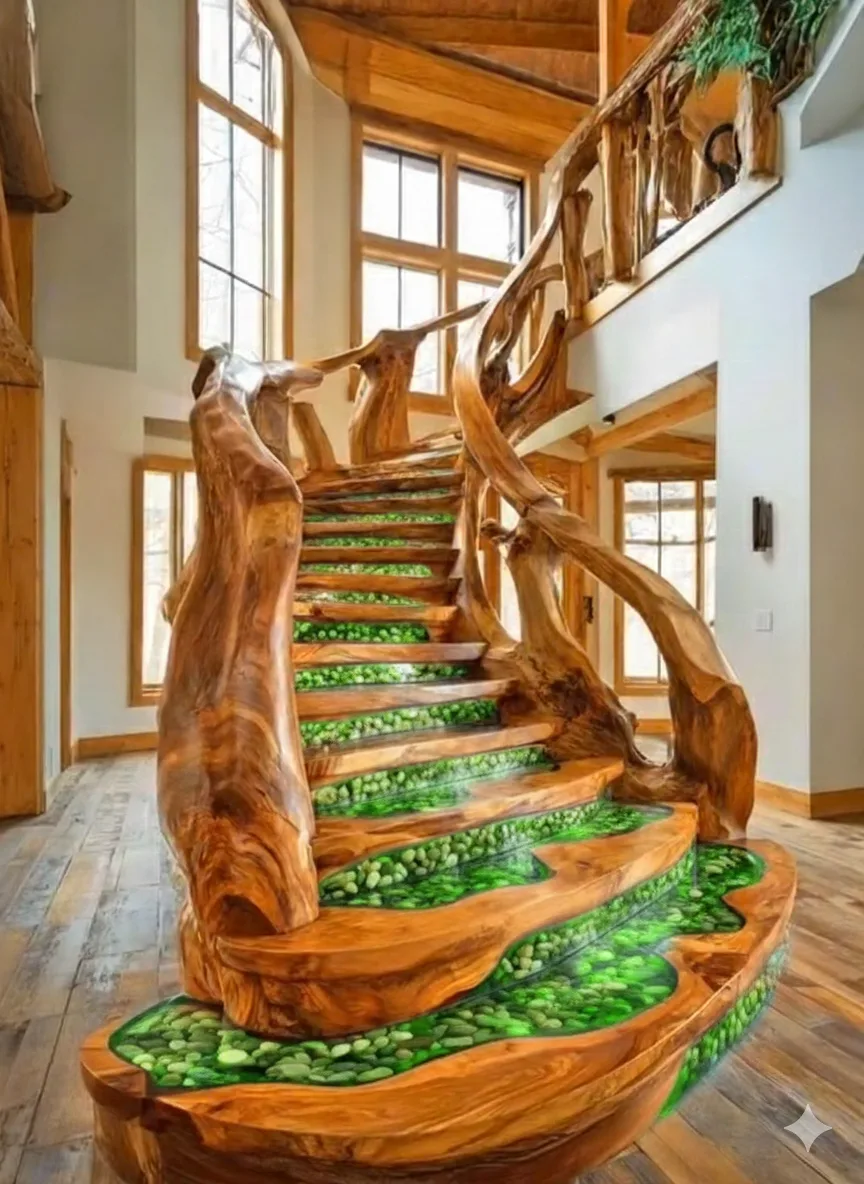
While traditional staircases prioritize functionality and minimalism, the wood and epoxy pebble staircase emphasizes artistic expression and customization. Its ability to integrate personalized elements—such as specific pebble colors or wood finishes—stands out as a major comparative advantage, allowing your staircase to reflect your personality and style.
Visual Appeal and Artistic Expression
Traditional staircases tend to be straightforward, often focusing on durability and cost-effectiveness. In contrast, a wood and epoxy pebble staircase allows for extensive customization, including the choice of pebbles, epoxy colors, and wood species. This makes it an ideal choice for homeowners or designers seeking a statement piece rather than just a functional element.
From an artistic perspective, a wood and epoxy pebble staircase is like sculpture in motion. Its textured surface, gleaming epoxy, and organic wood grain people draw attention and invite admiration. This design approach resonates strongly with modern aesthetics, especially those embracing mixed materials and natural elements.
Compared to more minimalist designs like open riser or floating wooden stairs, the wood and epoxy pebble staircase offers a tactile richness and visual complexity that enhances the depth of interior decor. Its unique combination of materials sparks conversation and adds personality to the environment.
Practicality and Maintenance
Modern designs such as glass or steel stairs often excel in ease of cleaning and low maintenance. The wood and epoxy pebble staircase may require more attentive care, especially to keep the pebbles and epoxy looking pristine. Regular dusting, occasional cleaning with mild solutions, and periodic sealing of the wood are necessary to maintain its beauty.
However, the longevity and robustness of the epoxy resin protect the pebbles and wood under typical usage. Proper sealing and environmental considerations like humidity control offer further assurance of durability. Choosing high-quality epoxy and wood increases longevity while reducing the need for repairs.
From a safety standpoint, the textured surface of the pebbles provides good traction, reducing slipping risks—an advantage over some glass or polished wooden stairs. Nonetheless, some might find the textured surface less comfortable for walking or cleaning, which should be considered in high-traffic or family spaces.
Expert Tips & Recommendations for Installing and Showcasing a Wood and Epoxy Pebble Staircase
Successfully integrating a wood and epoxy pebble staircase into your design requires attention to several key factors—from planning to execution and final presentation. Armed with expert advice, you can ensure your staircase becomes the centerpiece of your interior for years to come.
The initial step involves thorough planning: define your style, budget, and environmental conditions. Consulting with experienced artisans or installers who specialize in epoxy and wood craftsmanship is essential. They can help you translate your vision into practical, durable construction that aligns with your space.
Material quality is paramount; investing in high-grade epoxy, select wood, and waterproofing treatments ensures longevity and aesthetic appeal. Remember that the installation process involves precise layering to embed the pebbles securely while maintaining a smooth, even surface. Proper curing times and environmental controls during installation influence the final look and durability.
Once installed, the showcase potential of your wood and epoxy pebble staircase is maximized through lighting and decorative elements. LED strip lights beneath the staircase or spotlights highlighting the epoxy sections create dramatic effects, emphasizing the intricate textures and vibrant colors of the pebbles. Complementary decor, such as natural fiber rugs or minimalist furniture, enhances the overall natural-modern aesthetic.
Finally, establish regular maintenance routines and protect the staircase from excessive moisture or direct sunlight. These steps will help preserve its visual appeal and structural integrity, ensuring your wood and epoxy pebble staircase remains a captivating feature and a functional element in your space.
The wood and epoxy pebble staircase represents a perfect marriage of nature-inspired design and contemporary artistry. Its ability to serve as both a functional element and a striking visual centerpiece makes it an increasingly popular choice among interior designers and homeowners alike. By carefully selecting materials, designing with intent, comparing it with other staircase options, and maintaining it properly, you can create a stunning staircase that adds warmth, texture, and personality to your space. Embracing this innovative approach to staircase design allows you to craft an environment that inspires creativity and reflects your unique style.