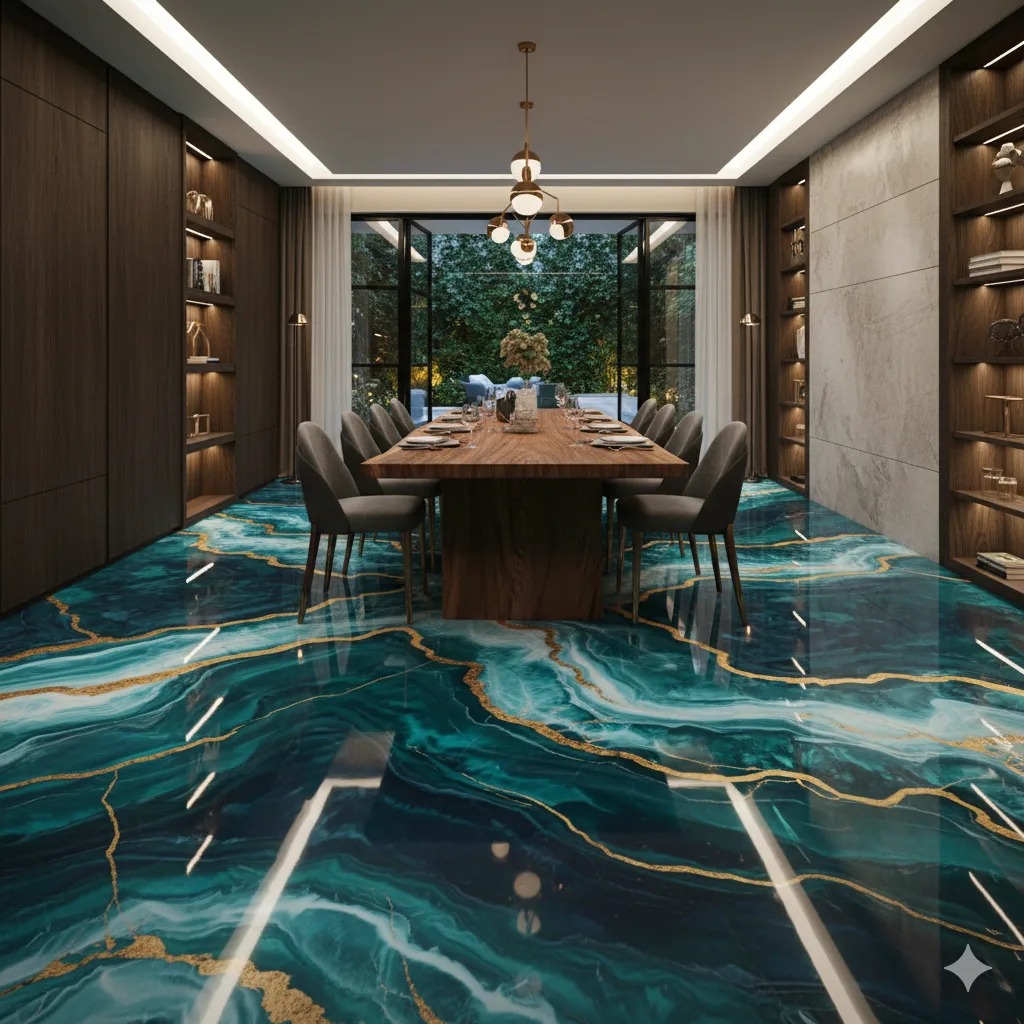
Epoxy agate flooring is rapidly gaining popularity among homeowners and commercial property owners alike. With its striking visual appeal and durable qualities, this flooring option combines the natural beauty of agate stones with the versatility and robustness of epoxy resin. Whether you’re designing a luxurious bathroom, a commercial lobby, or an artistic garage, epoxy agate flooring offers a touch of elegance and uniqueness. In this article, we explore how to utilize epoxy agate flooring effectively, compare it with other flooring options, and provide valuable insights to help you make informed decisions about incorporating this captivating flooring style into your spaces.
Understanding the Beauty and Functionality of Epoxy Agate Flooring
Epoxy agate flooring epitomizes the seamless fusion of nature and modern technology. The distinctive, vibrant appearance of agate stones is encapsulated within a resilient epoxy resin, creating a surface that is not only visually appealing but also capable of withstanding daily wear and tear. This section delves into the core attributes, advantages, and versatility of epoxy agate flooring, emphasizing its suitability for diverse environments.
Epoxy agate flooring is more than just an eye-catching design — it offers remarkable durability and resilience. The epoxy layer provides a tough surface resistant to scratches, stains, and chemical damage, making it ideal for environments with high foot traffic or exposure to harsh substances. Its seamless finish ensures minimal maintenance and prevents dirt or grime buildup, contributing to hygienic conditions in spaces such as kitchens, hospitals, or commercial facilities.
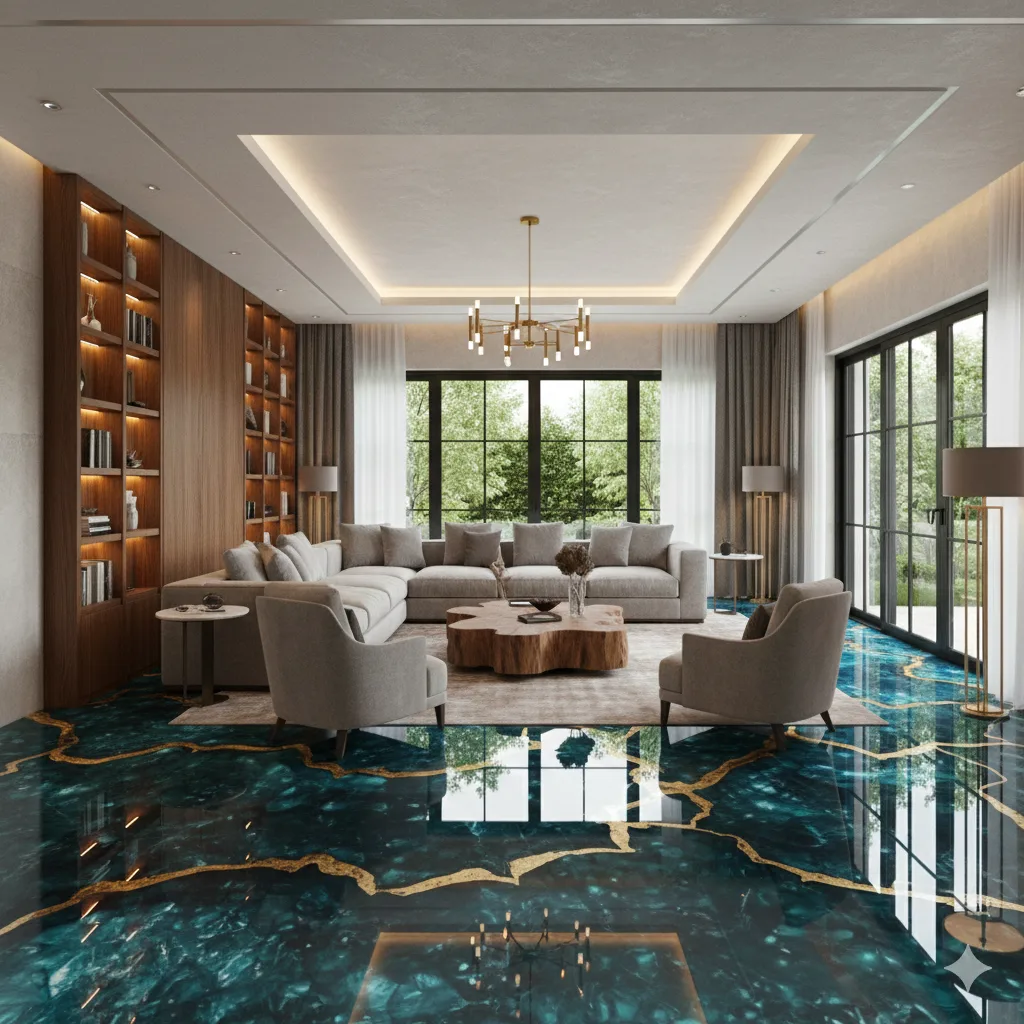
A key feature that sets epoxy agate flooring apart is its customizable design. By adjusting the size, shape, and color of the agate stones embedded within the epoxy, owners can tailor the flooring to match specific aesthetic themes. Whether aiming for a calming, neutral palette or a vibrant, energetic atmosphere, epoxy agate flooring can be adapted effortlessly. Its ability to mimic the natural beauty of real agate while offering superior strength makes it a compelling choice for interior designers seeking sophistication combined with practicality.
How to Use and Implement Epoxy Agate Flooring for Maximum Impact
Implementing epoxy agate flooring requires careful planning and professional installation to realize its full potential. This section offers detailed guidance on how to use epoxy agate flooring in various settings, tackling the preparation, application process, and aftercare for lasting results.
Proper surface preparation is essential before applying epoxy agate flooring. The substrate, whether concrete, wood, or other materials, must be thoroughly cleaned, repaired, and leveled. Any cracks or imperfections should be addressed to ensure a smooth, even surface. A prepared foundation enhances adhesion, prevents delamination, and ensures that the epoxy layer bonds flawlessly with the underlying material.
When applying epoxy agate flooring, the process typically involves multiple layers — a primer, base coat, the agate stone layer, and a topcoat. Each layer must be allowed to cure completely before proceeding to the next, which can vary in time depending on environmental conditions. Skilled professionals often utilize specialized tools to embed the agate stones into the resin evenly, creating a mesmerizing, mosaic-like appearance. To maintain their glossy and vibrant look over time, regular cleaning with mild detergents and periodic resealing are recommended. Adsently, epoxy agate flooring is suited for both residential and commercial projects, offering durability and beauty that enhance the ambiance and value of the property.
In terms of environment-specific applications, epoxy agate flooring excels in areas that demand both aesthetic appeal and robustness. For example, in retail stores, it draws customers’ attention by highlighting luxury and exclusivity. In artistic or creative spaces, it serves as an impactful feature that reflects creativity and natural harmony. The key to maximizing its impact lies in thoughtful design integration, such as pairing it with modern lighting, minimalist furniture, or thematic decor elements that amplify the stone’s natural patterns and colors.
Comparing Epoxy Agate Flooring with Other Decorative Options
Choosing the right flooring is crucial for accomplishing your interior design goals while maintaining functionality. This section compares epoxy agate flooring with some alternative decorative surfaces, highlighting its unique strengths and potential limitations.
Compared to traditional ceramic or porcelain tiles, epoxy agate flooring offers a seamless, continuous surface, reducing the risk of grout lines trapping dirt and bacteria. Its high resistance to cracking and shifting makes it more durable in high-traffic areas. On the other hand, tiles can be more affordable upfront and easier to replace if damaged, whereas epoxy agate flooring usually requires professional removal and reinstallation, which can be costlier.
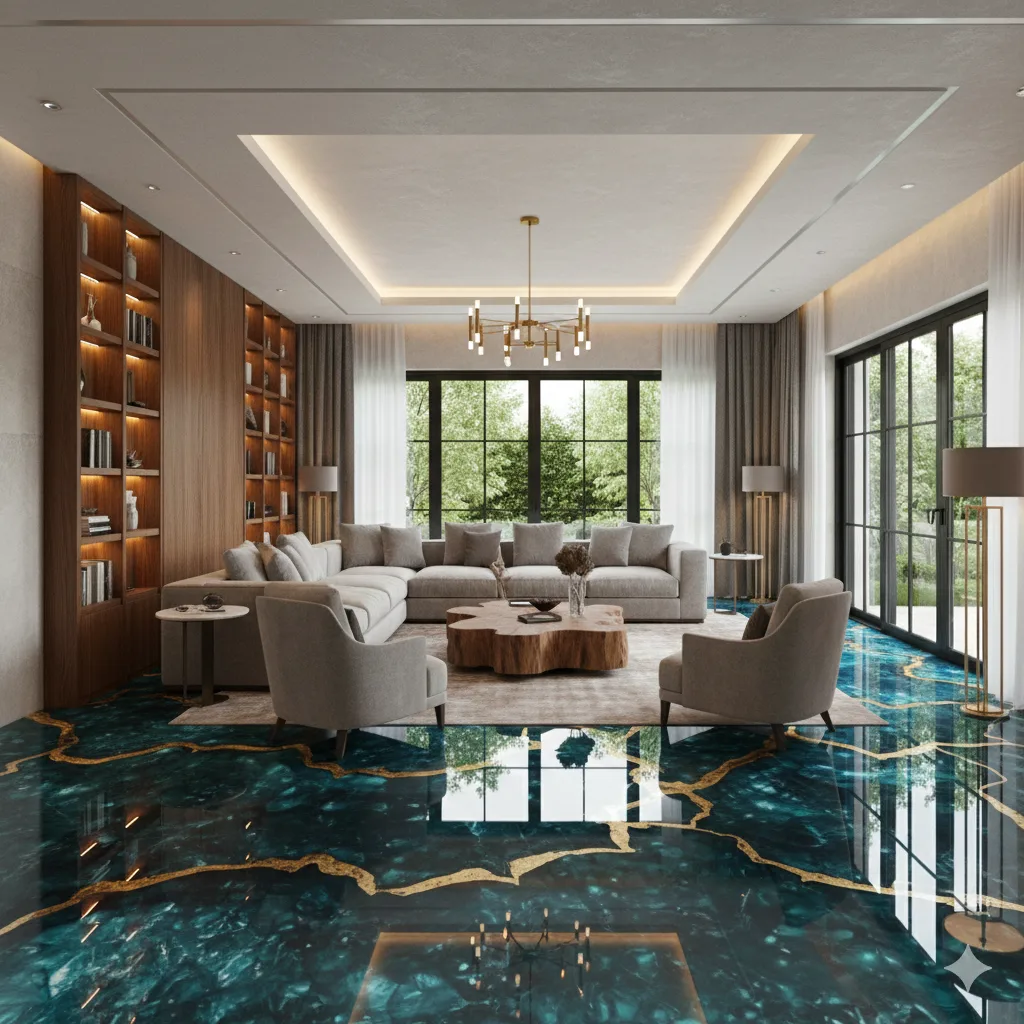
When set against polished concrete floors, epoxy agate provides a more vibrant and customizable aesthetic. While polished concrete can be sleek and industrial, it often lacks the intricate natural patterns that agate embedded in epoxy delivers. Moreover, epoxy agate flooring can be designed to be highly reflective, enhancing lighting and space perception, which concrete floors may not achieve without additional treatments.
The comparison between epoxy agate flooring and resin flooring options like quartz or solid-color epoxy reveals that agate flooring always stands out for its visual appeal. Quartz floors tend to have a speckled, less intricate look, whereas epoxy agate flooring emphasizes the organic beauty of real stones within a glossy or matte finish. As a key advisement, consider your project’s overall aesthetic, budget, and maintenance capacity when choosing between these floors.
Practical Advice for Maintaining and Enhancing Epoxy Agate Flooring
Maintaining epoxy agate flooring is crucial for preserving its brilliant appearance and structural integrity over time. Proper upkeep not only extends the lifespan but also sustains the luxurious and natural look that makes this flooring so appealing.
First, routine cleaning involves gentle sweeping and damp mopping with pH-neutral cleaners to prevent dirt and debris accumulation. Avoid harsh abrasive cleaners or tools that can scratch the glossy surface or damage the embedded stones. Since epoxy surfaces are chemically resistant, minor stains can usually be removed easily without professional intervention. However, in cases of stubborn stains or wear, consulting with a flooring specialist is advised to avoid damaging the resin or stones.
Additionally, periodic resealing can enhance gloss and protect the surface from UV damage, chemical spills, or physical abrasions. Applying a known epoxy or resin sealant recommended by professionals maintains the vibrancy and smoothness of the surface. To prevent chips or cracks from impact, consider adding area rugs or furniture pads in high-traffic zones or under heavy equipment. Finally, selecting the correct cleaning and maintenance regimen involves understanding your specific space’s environment—whether it’s humidity, foot traffic, or chemical exposure—and tailoring your routine accordingly.
Conclusion
Epoxy agate flooring offers a stunning, durable, and customizable option for elevating any interior or exterior space with its natural stone beauty encapsulated within a resilient epoxy matrix. Its versatility allows it to be used creatively across residential, commercial, and artistic projects, making it a popular choice among designers and property owners seeking sophistication with practicality. Proper installation, maintenance, and thoughtful design integration are key to unlocking its full potential. By understanding its benefits and limitations, and applying recommended best practices, you can enjoy a captivating surface that combines the mesmerizing allure of agate with the resilience of modern epoxy technology.
Understanding the Components of Epoxy Agate Flooring
Epoxy agate flooring is an intricate blend of beauty and durability, making it suitable for a variety of settings. At its core, this flooring system consists of two primary components: epoxy resin and agate stones. Both materials contribute to the aesthetic and functional qualities seen in such installations.
The epoxy resin acts as the binding agent that firmly secures the agate stones in place. This clear or colored resin protects the stones from damage while providing a smooth, glossy finish. On the other hand, agate stones may vary in color, pattern, and size, each piece adding a unique element to the overall design. The combination of these materials creates a stunning visual effect that catches the eye and elevates the space.
In terms of installation, professionals meticulously select and place the agate stones in the epoxy resin, allowing for creativity in design. The unique patterns that emerge provide a natural aesthetic that can be customized to fit personal tastes. Additionally, the seamless nature of epoxy floors minimizes grout lines, often found in other types of flooring, reducing areas for dirt accumulation and making maintenance easier overall.
The Multifaceted Uses of Epoxy Agate Flooring
Epoxy agate flooring is incredibly versatile and can be utilized in a wide range of environments. It is not only an aesthetic enhancement but also functional in various commercial and residential applications.
One popular application is in retail spaces, where the vibrant colors and stunning designs draw the eye of potential customers. Luxury boutiques and high-end shops often use epoxy agate flooring as a statement piece that reflects the brand’s quality and sophistication. The captivating aesthetics can create an immersive shopping experience that encourages customers to explore and engage with the offerings.
In home interiors, homeowners are increasingly opting for epoxy agate flooring in living spaces, kitchens, and bathrooms. With the material’s ability to withstand moisture and foot traffic, it perfectly marries practicality with visual appeal. The unique patterns can be tailored to complement existing décor or serve as standalone focal points, creating customized experiences for residents and their guests.
Artistic spaces, such as galleries or studios, also benefit from epoxy agate flooring. It creates an inspiring environment that reflects creativity and enhances artistic installations. The floors can be viewed not just as functional surfaces but as integral parts of the artwork itself, contributing to the overall atmosphere of the space.
Advantages of Choosing Epoxy Agate Flooring
There are several compelling reasons to consider epoxy agate flooring for various applications, reflecting both aesthetic and practical benefits.
One significant advantage is durability. Epoxy agate flooring is resistant to cracking, wear, and stains, making it ideal for high-traffic scenarios. Unlike traditional flooring options that may chip and require replacement, epoxy floors offer longevity that can withstand the test of time. This durability is particularly paramount in commercial settings where floor damage can lead to increased maintenance costs.
Another key benefit lies in the flooring’s customization potential. The various colors and patterns of agate stones allow for unlimited design possibilities. Homeowners and designers can explore combinations that match their vision, resulting in unique and personalized environments. Whether the aim is bold and vibrant or soft and subtle, epoxy agate flooring can fulfill these design aspirations while remaining practical.
Moreover, the maintenance of epoxy agate floors is relatively straightforward, especially compared to other materials that may require grout cleaning or refinishing. A simple routine of sweeping and damp mopping with appropriate cleaners keeps the surface looking pristine. Therefore, the combination of durability, design flexibility, and low maintenance makes epoxy agate flooring a smart choice for many applications.
Exploring Design Ideas with Epoxy Agate Flooring
When considering the installation of epoxy agate flooring, thoughtful design integration becomes key to maximizing its visual impact. This section will explore innovative ideas for utilizing this type of flooring in various settings.
An effective approach is to create contrast. Pairing epoxy agate flooring with minimalistic design elements, such as white walls or monochrome furniture, can make the vivid colors of the stones stand out even more. Using statement pieces, such as bold rugs or accent chairs, can overlay additional layers of contrast, enhancing the beauty of the flooring.
Another design idea involves the use of lighting. Strategic placement of lighting fixtures can illuminate the reflective surface of the epoxy, emphasizing its glossy finish and the stunning patterns created by the agate stones. Natural light or strategically placed LED lights can bring out the depths of color in the flooring, transforming the feel of the space throughout the day.
Additionally, integrating natural elements alongside epoxy agate flooring can create a harmonious connection with the outdoors. Adding houseplants or large windows can draw in sunlight and life, complementing the organic patterns of the flooring. This approach creates an inviting atmosphere that resonates with tranquility and warmth.
Epoxy agate flooring exemplifies the fusion of artistry and durability, making it a premier choice for both residential and commercial settings. Its ability to captivate with vivid colors while providing a robust surface speaks volumes about its versatility and aesthetic appeal. With endless design possibilities, homeowners and designers can create personalized spaces that reflect not only beauty but also function. Whether in a retail store, a bustling kitchen, or a serene art studio, epoxy agate flooring enriches any environment by marrying natural elegance with modern durability. Understanding its components, applications, and design inspirations can help maximize its potential, ensuring lasting enjoyment for years to come.