
Epoxy beach flooring offers an innovative solution for enhancing outdoor coastal spaces, combining durability with aesthetic appeal. This versatile flooring type is ideal for beaches, pool decks, patios, and marine environments, providing a seamless surface that resists the harsh elements of seaside living. In this guide, we’ll explore how to use epoxy beach flooring effectively, compare it to other flooring options, and offer expert advice for achieving the best results on your coastal property.
Understanding Epoxy Beach Flooring – Why Choose This Coastal Solution
Epoxy beach flooring is a specially formulated resinous surface designed to withstand the demanding conditions of beachside environments. Thanks to its resilience, aesthetic versatility, and ease of maintenance, it has become the preferred choice for homeowners, business owners, and marine facilities seeking durable surfacing options.
Before diving into installation techniques and comparisons, it’s essential to understand what makes epoxy beach flooring unique. Its chemical composition provides excellent adhesion, resistance to UV rays, moisture, salt, and temperature fluctuations—factors that often deteriorate traditional flooring materials fast in coastal conditions.

This section will outline why epoxy beach flooring is increasingly popular, highlighting its advantages over conventional options. Whether you’re considering a new deck or revitalizing an existing space, this overview will help you grasp its full potential.
Advantages of Epoxy Beach Flooring
Epoxy beach flooring stands out because of its incredible durability and aesthetic flexibility. Its hardness prevents chipping and cracking, even under heavy foot traffic or equipment, making it ideal for lively beach resorts or busy pool areas.
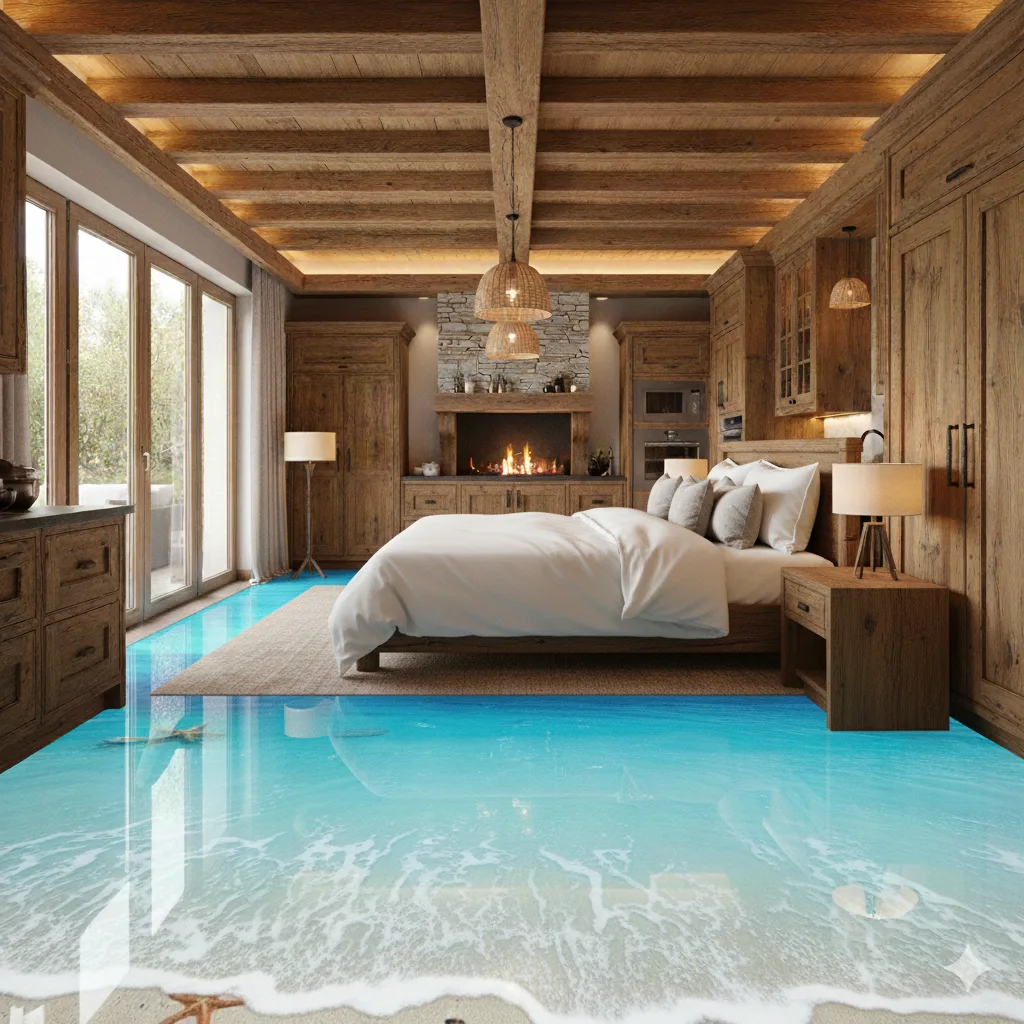
In addition to resilience, epoxy flooring can be customized with a variety of colors, patterns, and textures. This means you can mimic natural elements like sand or water or incorporate branding or artistic designs seamlessly into your outdoor space. Its seamless application eliminates grout lines or joints, reducing dirt accumulation and making cleaning effortless, which is vital in sandy, salty environments.
Beyond aesthetics, epoxy flooring is environmentally friendly—it creates a robust barrier that protects underlying concrete or substrate from moisture penetration, which is crucial in beachside settings prone to high humidity and salt exposure. This combination of strength, beauty, and practicality makes epoxy beach flooring a superior choice overall.
How to Use Epoxy Beach Flooring – Step-by-Step Installation and Maintenance
Proper installation is paramount for maximizing the lifespan and appearance of epoxy beach flooring. From surface preparation to curing and ongoing maintenance, each step should be executed with precision. This section provides a comprehensive guide to installing epoxy flooring in seaside environments and maintaining its integrity over time.
Before starting, assess the surface condition. The substrate, typically concrete, must be thoroughly cleaned, free of cracks, oils, or loose debris. Proper surface preparation, including etching or light sanding, ensures optimal adhesion. Once prepared, a primer is applied to enhance bonding.
The application of epoxy layers involves mixing resin and hardener according to manufacturer instructions, then spreading the mixture evenly over the surface. Incorporating non-slip additives during application increases safety, especially in wet conditions typical of beach environments. A clear topcoat protects the finished surface from UV damage and chemical exposure, common in coastal areas.
Maintenance is equally important. Regular cleaning with mild detergents, avoiding abrasive cleaners, helps preserve the epoxy’s appearance. Addressing minor cracks or chips early prevents further damage. Applying a fresh topcoat periodically can maintain its glossy finish and protective qualities, especially after exposure to harsh weather.
Creative Uses of Epoxy Beach Flooring in Coastal Design
Epoxy beach flooring’s versatility enables creative applications that enhance the natural beauty of coastal environments. From residential patios to commercial beach resorts, its adaptability allows for innovative design elements that merge functionality with visual appeal.
In residential settings, epoxy beach flooring can be tailored to resemble sandy beaches or ocean waves—with subtle color gradients and textured finishes. This aesthetic creates a relaxing, immersive atmosphere that complements seaside living. When used on balconies or patios overlooking the water, it provides a seamless transition from indoor to outdoor spaces—blurring the boundary between land and sea.
Commercially, epoxy beach flooring can serve as a striking centerpiece for resorts, restaurants, and event venues. Incorporating logos, nautical motifs, or colorful patterns imbues the area with personality and branding. Furthermore, its durability under heavy foot traffic ensures long-term performance, making it an economical investment. Creative use of epoxy beach flooring not only elevates the visual impact but also enhances safety and longevity of outdoor coastal spaces.
Comparing Epoxy Beach Flooring to Other Coastal Surfacing Options
While epoxy beach flooring offers numerous benefits, it’s essential to weigh it against alternative surfacing options available for coastal environments. Each material presents unique advantages and limitations, influencing the right choice depending on specific needs and conditions.
Traditional options such as ceramic tiles, natural stone, or concrete may seem appealing initially; however, they often lack the resilience and flexibility of epoxy solutions. For example, ceramic tiles can crack under temperature extremes or salt exposure, requiring frequent repairs. Natural stone, although beautifully organic, can be porous and prone to staining or erosion when exposed to saltwater.
In comparison, epoxy beach flooring outperforms these options through its seamless, waterproof surface that resists salt, moisture, and UV deterioration. It also offers easier maintenance, faster installation, and customizable aesthetics. But, epoxy can be more sensitive to improper application or surface preparation, requiring skilled labor to ensure optimal results.
Understanding these distinctions aids in making informed decisions for coastal projects. Epoxy beach flooring specifically excels where durability, safety, and design flexibility are priorities—making it the superior choice for seaside properties seeking long-lasting, attractive, and low-maintenance surfacing solutions.

Epoxy beach flooring is transforming coastal spaces by providing a resilient, customizable, and visually appealing surface that withstands the challenges of seaside environments. Its advantages over traditional materials like tiles or natural stone—such as seamlessness, UV resistance, and ease of maintenance—make it an increasingly popular choice for residential, commercial, and marine applications. Proper application and ongoing maintenance are critical for maximizing its benefits, and its versatility allows for creative design implementations that enhance the natural beauty of coastal locations. Whether you’re upgrading a beachside patio or designing an entire resort, epoxy beach flooring offers a durable, stylish, and practical solution that meets the unique demands of seaside living.
Advantages of Epoxy Beach Flooring
Epoxy beach flooring has gained popularity for its numerous advantages in coastal environments, where durability and aesthetics are paramount. Choosing the right flooring for beachside properties can be a challenge, but understanding the benefits of epoxy can make the decision easier. This section explores the myriad advantages that epoxy beach flooring provides.
One of the most significant benefits of epoxy flooring is its exceptional durability. This material is notably resistant to chemical spills, moisture, and environmental stresses like UV rays, which are prevalent near coastal areas. Unlike traditional materials that might degrade or discolor when exposed to saltwater and humidity, epoxy beach flooring retains its appearance over time, providing a long-lasting solution for outdoor living spaces.
Moreover, epoxy flooring can withstand heavy foot traffic, making it an ideal choice for bustling beach resorts, boardwalks, and residential patios alike. Its non-porous nature means it does not retain moisture, reducing the risk of mold or mildew growth, which is critical in maintaining a clean and safe environment. Consequently, the longevity of epoxy not only translates to lower maintenance costs but also avoids the need for frequent replacements that other materials may require.
Finally, the aesthetic appeal of epoxy beach flooring cannot be overlooked. The versatility of colors, patterns, and textures allows for unique customization that can fit any design scheme. Whether it’s mimicking the look of natural sand or creating a bold statement with bright hues, epoxy can be tailored to match the ambiance of coastal living. This adaptability not only enhances the visual landscape but also reinforces the connection between the built environment and its natural surroundings.
Versatility in Design and Application
The versatility of epoxy beach flooring extends beyond its durability; it also allows for creative expression and innovative design. Homeowners and commercial property developers alike can utilize epoxy flooring’s expansive customization options to enhance their spaces creatively.
Epoxy flooring can be designed in a myriad of styles to suit different tastes and atmospheres. For instance, a homeowner looking to replicate the feel of a sandy beach can choose a light beige tone with a texture that resembles fine sand, while a trendy beachfront bar might select more vibrant shades that reflect the energetic beach culture. The option to incorporate metallic pigments can also add a unique shimmer that evokes the glistening ocean waves—transforming an ordinary space into an extraordinary one.
Moreover, the application possibilities are vast. Epoxy can be utilized in not just outdoor patios and walkways, but also in poolside areas, outdoor kitchens, and even commercial spaces, where seamlessness is essential for hygiene and safety. The incorporation of non-slip additives during the application process ensures that safety is prioritized, which is particularly important in outdoor environments where water exposure is a regular occurrence.
The capacity for design versatility combined with functional performance positions epoxy beach flooring as a frontrunner for coastal transformations.
Economic Material Choice
When assessing flooring options for beachside properties, the economic implications cannot be ignored. Epoxy beach flooring offers a cost-effective solution that balances initial investment with long-term savings due to its durability and minimal upkeep requirements.
While the upfront cost of epoxy flooring installation may be slightly higher than some alternatives, the long-term benefits outweigh the initial expense. Traditional materials may be cheaper initially, but they often incur higher ongoing costs associated with maintenance, repairs, or replacements. Epoxy’s resistance to wear and tear means that once installed, it requires less frequent attention, leading to significant savings over the years.
Furthermore, very few materials offer the same level of aesthetic customization as epoxy, allowing property owners to achieve the desired look without sacrificial renovations. This combination of visual appeal and economical practicality ensures that property owners can invest wisely while enhancing the value of their beach properties.
Practical Maintenance Tips for Epoxy Beach Flooring
To maximize the lifespan and beauty of your epoxy beach flooring, it’s essential to incorporate good maintenance practices. This section provides practical tips for maintaining your epoxy flooring in coastal environments, ensuring that it remains an attractive and resilient surface.
Regular Cleaning Practices
Regular maintenance is vital for the longevity of epoxy beach flooring. Periodic cleaning helps to keep the surface looking fresh and prevents any buildup of dirt or grime. Utilizing a soft broom or mop, coupled with warm soapy water, is usually sufficient for routine cleaning. Avoid abrasive scrubbers that can scratch the surface and compromise its finish.
In coastal environments, where sand and salt may accumulate, a gentle power wash can be effective for more profound cleaning, provided the settings are low enough not to damage the flooring. Moreover, using pH-neutral detergents will ensure that no harmful chemicals weaken the epoxy over time while preserving its shine.
Addressing Minor Repairs
Even the most durable surfaces may encounter minor wear and tear over time. Therefore, it’s prudent to regularly inspect the flooring for cracks or chips. Addressing these issues promptly can prevent more extensive damage down the line. If you notice any hairline cracks, a simple epoxy filler designed for outdoor use can restore the surface’s integrity while maintaining its seamless look.
For more significant damage, especially in high-traffic areas, it may be wise to consult with a professional regarding repairs or reapplication. By proactively maintaining the surface and addressing minor issues, you can prolong the life of your beautiful epoxy beach flooring, ensuring it continues to impress for years to come.
Seasonal Considerations
In beachside environments, seasonal changes can impact flooring condition. Therefore, it’s essential to adapt maintenance practices accordingly. For instance, during monsoon or hurricane seasons, it’s wise to check and clear drainage areas to prevent water buildup that could seep underneath the epoxy and compromise adhesion.
Moreover, before the high season of beach activities, consider giving your epoxy flooring an added layer of protection. A clear topcoat rejuvenation can enhance UV resistance, ensuring that the colors remain vibrant throughout the summer. Keeping these seasonal considerations in mind allows property owners to enjoy their spaces while protecting their investment.
Epoxy beach flooring represents a transformative solution for coastal spaces, providing an array of advantages that include durability, aesthetic versatility, and practical maintenance. With its resistance to environmental stressors common to seaside locations, epoxy flooring stands out as an economical choice in the long run, despite its initial cost. Its customizable nature invites creative expression that aligns beautifully with the surrounding natural landscapes. Paired with sensible maintenance practices, including regular cleaning, minor repairs, and seasonal preparations, epoxy beach flooring ensures enduring beauty and functionality, making it an optimal choice for beachside properties seeking to elevate their outdoor environments.