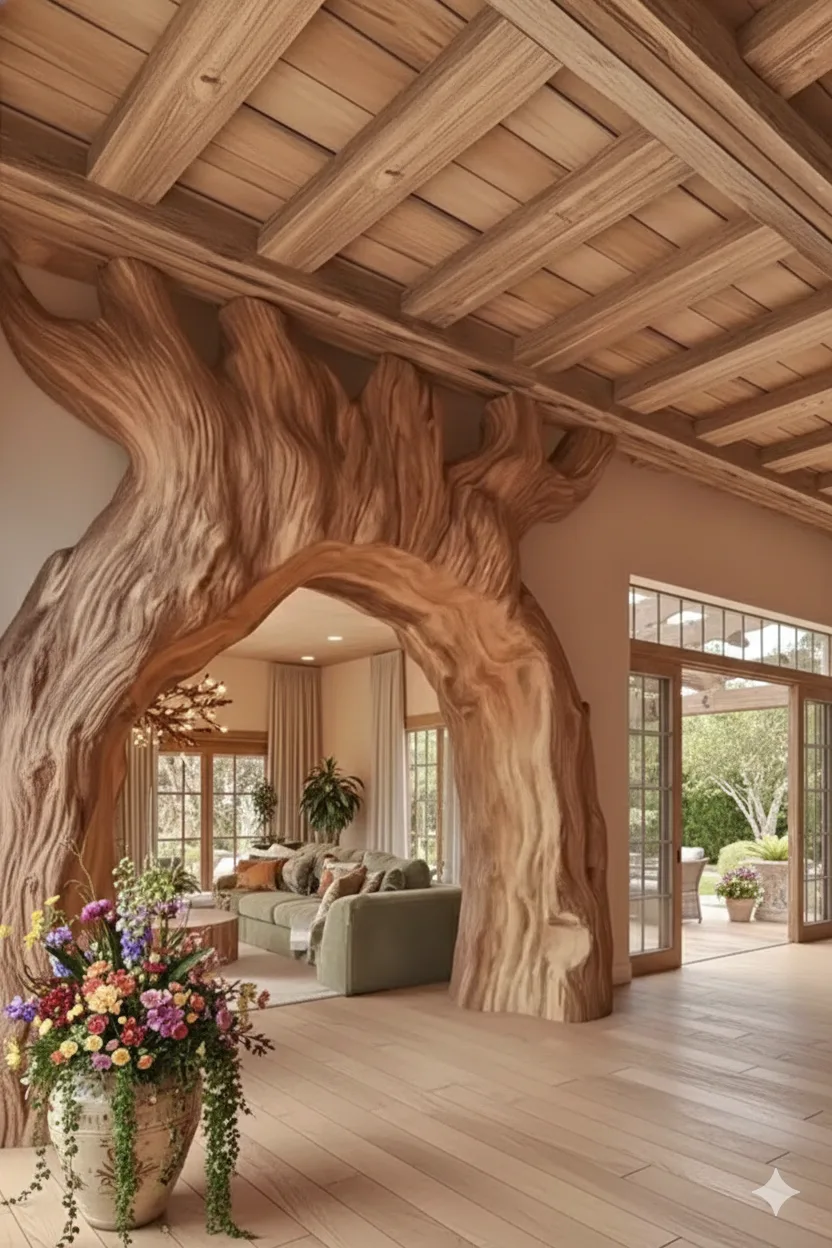
Imagine stepping into a space that blends the rustic appeal of nature with innovative design. Tree trunk doorways are transforming ordinary entrances into extraordinary features that evoke wonder and natural harmony. These unique structures serve as both functional portals and artistic statements, seamlessly integrating the raw beauty of wood with contemporary architecture.
Tree trunk doorways introduce a whimsical and earthy touch to any environment. Whether used in gardens, eco-resorts, or modern homes, they evoke a sense of adventure, craftsmanship, and organic aesthetics. Understanding how to use, create, and incorporate tree trunk doorways can elevate your space and create immersive experiences rooted in the natural world.
The Art of Crafting Tree Trunk Doorways – From Selecting the Perfect Log to Installation
Creating a captivating tree trunk doorway involves an intricate process that combines natural material selection with skilled craftsmanship. The journey from choosing the right trunk to installing it as a functional entrance can be both rewarding and challenging.
Choosing the Right Tree Trunk for Your Doorway
The foundation of a beautiful tree trunk doorway lies in selecting an appropriate log. This choice affects durability, aesthetics, and overall impact.
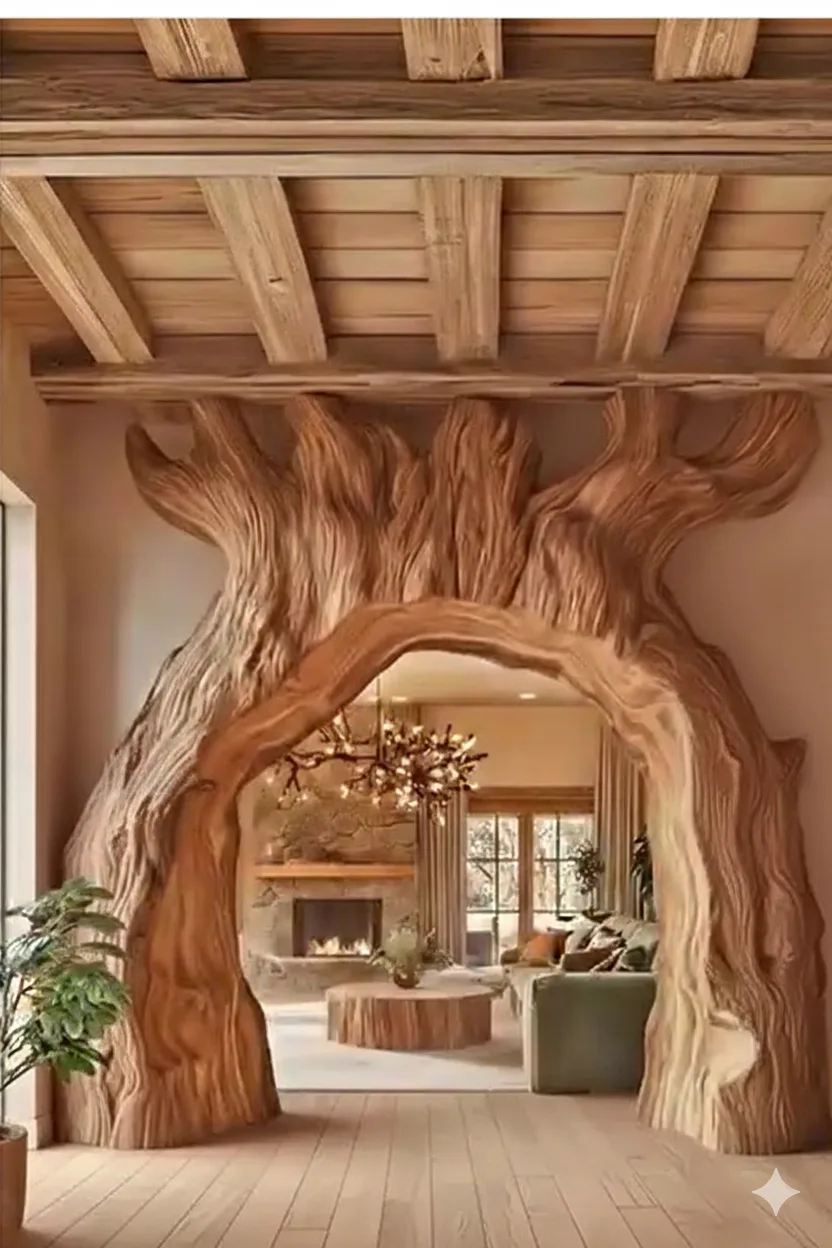
The ideal tree trunk should be robust, with a diameter ranging from 24 to 36 inches, depending on the desired doorway size. Hardwoods like oak, cedar, and mahogany are preferred due to their resilience to weathering and decay. Softwoods, such as pine, can also be used but often require treatment to enhance longevity.
Inspect the trunk for natural imperfections and cracks. While some flaws can add character, extensive damage might compromise structural integrity. Stability and balance are crucial; the trunk must stand firmly to ensure safety and longevity.
Personal analysis suggests that integrating the trunk’s natural shape into the design creates a rustic charm that can’t be mimicked artificially. Selecting a trunk that still retains some of its bark and organic contours can enhance authenticity.
Techniques for Preparing and Carving Tree Trunk Doorways
Once the trunk is selected, the preparation process begins. This involves cleaning, curing, and potentially hollowing out parts of the trunk for functional openings.
The cleaning process includes removing dirt, moss, and loose bark. Power washers or gentle scrubbing can be used, depending on the trunk’s condition. Proper drying is essential; the trunk should cure naturally in a dry space for at least six months to avoid cracks and splits after installation.
Carving out the doorway involves precision tools and craftsmanship. Traditional hand tools like chisels and saws, or power tools such as chainsaws and grinders, can be used based on the desired intricacy and size. The opening must be carefully measured, and the edges smoothed to prevent splinters or accidents.
Incorporating artistic carvings or naturalistic designs can personalize each tree trunk doorway. Examples include leaf patterns, animal motifs, or mythological symbols, adding layers of storytelling and aesthetic appeal.
Installing the Tree Trunk Doorway
The final step involves securely installing the doorway within its intended space. This requires a sturdy foundation or frame that can support the heavy trunk.
Vertical supports or embedded anchors are commonly used. For outdoor setups, concrete footings or metal brackets ensure stability against wind and weather. Affixing the trunk with rust-resistant screws or bolts further stabilizes it.
Personal insights highlight the importance of considerations like weatherproofing and sealing. Applying natural oils, ecoprotectants, or sealants prolongs the lifespan of the wood while maintaining its organic look.
Comparison: Traditional wooden doors versus tree trunk doorways – While conventional doors are uniform and manufactured, tree trunk doorways bring unpredictability and character that no synthetic material can replicate.
Incorporating Tree Trunk Doorways in Sustainable Design and Eco-Friendly Spaces
Using natural materials like tree trunks for doorways aligns with the principles of sustainable architecture. It promotes eco-conscious choices, minimizes the carbon footprint, and fosters a deeper connection with nature.
Environmental Benefits of Using Tree Trunk Doorways
Opting for reclaimed or sustainably sourced trunks reduces the need for virgin timber. If the trunks originate from fallen or trimmed trees, their reuse minimizes waste and promotes recycling in construction.
Furthermore, natural materials contribute to better indoor and outdoor air quality. They don’t emit harmful chemicals and age gracefully, adding to the overall sustainability of a project. Techniques such as carbon sequestration during growth also imply that natural wood can act as a carbon sink.
Designing spaces with tree trunk doorways emphasizes a harmonious coexistence with nature, which is increasingly vital in urban environments seeking eco-friendly solutions. It also encourages biodiversity and forest conservation by fostering appreciation for natural wood.
How to Use Tree Trunk Doorways Effectively in Landscaping and Garden Design
Tree trunk doorways serve as captivating elements within gardens and outdoor spaces. They can define entry points, divide zones, or create whimsical pathways.
In landscaping, positioning these doorways at garden entrances enhances visual storytelling. Coupled with pathway lighting, climbing plants, and natural stones, they foster a sense of adventure that invites exploration.
For interior spaces or indoor gardens, miniature or hollowed-out trunks can serve as focal pieces or functional furniture like benches and display stands, blending natural aesthetics with practical use.

Advises include ensuring proper sealing and treatment, especially for outdoor applications, to maintain the structural integrity and appearance over the years. Regular maintenance, such as cleaning and re-sealing, prolongs the functionality and beauty of tree trunk doorways.
Comparing Tree Trunk Doorways with Other Natural Entry Solutions
| Feature | Tree Trunk Doorways | Bamboo Doors | Wicker and Harrison |
|---|---|---|---|
| Durability | High | Moderate to high | Moderate |
| Aesthetic Appeal | Rustic, Organic | Light, Minimalist | Natural, Textured |
| Eco friendliness | Very high | High, renewable | High |
| Maintenance | Moderate | Low | Moderate |
| Cost | Variable | Affordable | Moderate to high |
The table illustrates how tree trunk doorways compare favorably in durability and aesthetic richness, making them ideal choices for rustic, eco-minded design.
Tips for Maintaining and Enhancing Tree Trunk Doorways
To maximize the lifespan and visual appeal of your tree trunk doorways, proper maintenance is essential.
Routine Care and Preservation
Regular inspections should be performed to identify signs of rot, insect damage, or weathering. Applying natural preservatives like tung oil or beeswax can deepen the wood’s resilience while enhancing its appearance.
Cleaning with soft brushes and avoiding harsh chemicals preserves the trunk’s natural patina. For outdoor installations, re-sealing every few years prevents moisture penetration, which could lead to splitting or decay.
Enhancing the Natural Beauty of Tree Trunk Doorways
Adding personal touches such as light fixtures, plant arrangements, or engraved motifs can enhance the overall impact. For example, integrating fairy lights around a doorway creates a magical ambiance, especially at dusk.
Using complementary natural materials like stone or moss around the base can blend the doorway into its environment seamlessly. Incorporating small water features or seating nearby can elevate the experience, transforming the doorway into a central feature of a garden or outdoor living space.
Tree trunk doorways are a stunning embodiment of nature-inspired design, blending rustic charm with innovative craftsmanship. They provide environmentally friendly, durable, and visually captivating ways to define entrances and spaces. Proper selection, carving, installation, and maintenance ensure these natural gateways retain their beauty and strength over time. Embracing tree trunk doorways not only enhances your aesthetic appeal but also fosters a deeper appreciation for sustainable, organic living.