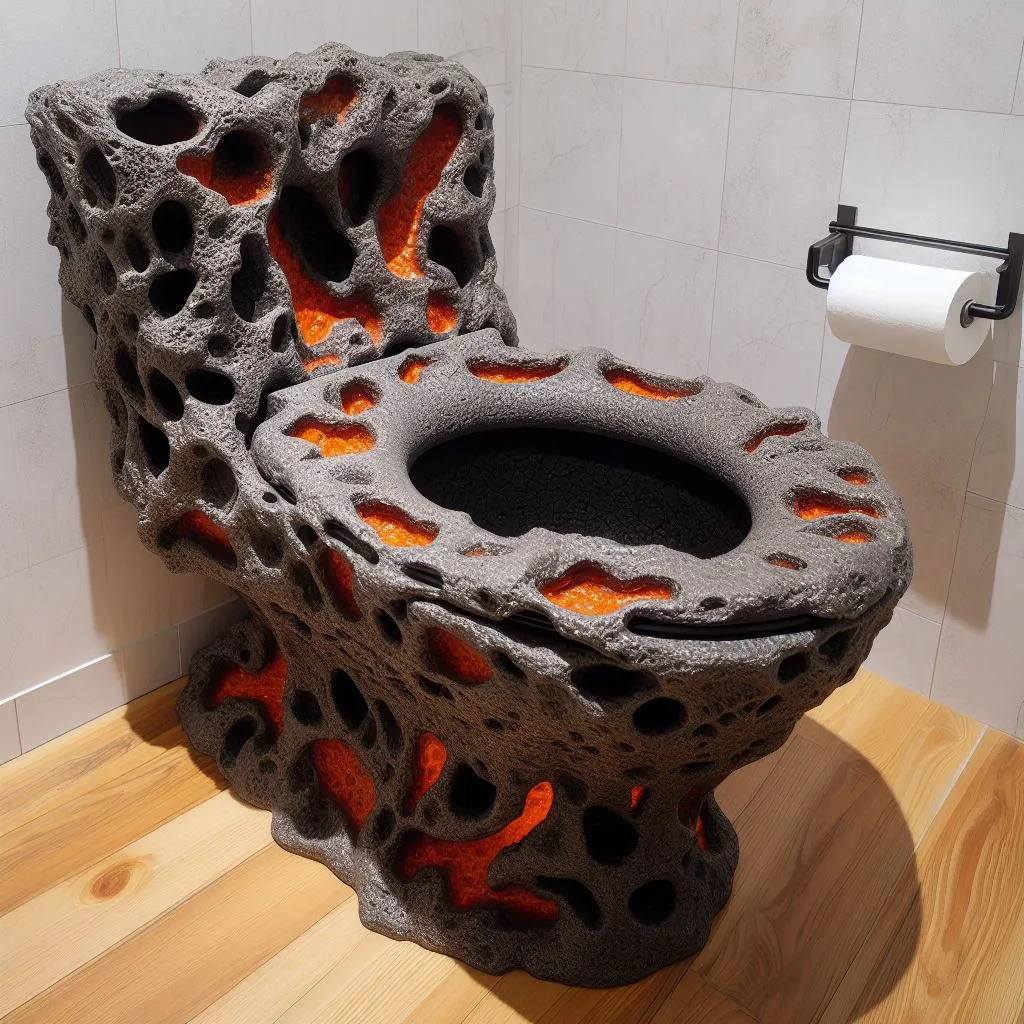
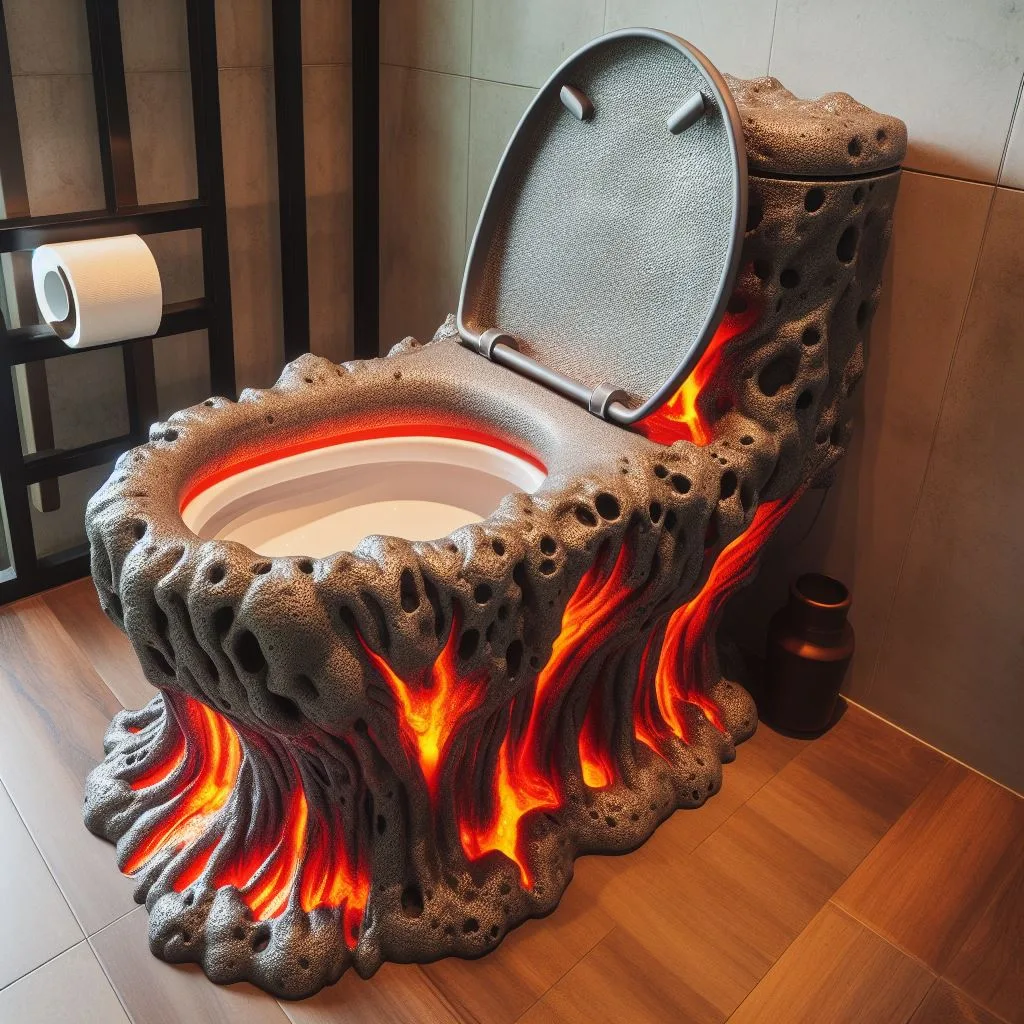
In recent years, innovative toilet designs have transformed sanitation, especially in remote and outdoor settings. Among these innovations, volcano toilets stand out as an eco-friendly and efficient solution for managing waste in challenging environments. Whether you’re an outdoor enthusiast, a facility manager, or simply curious about sustainable sanitation, understanding volcano toilets can open the door to smarter waste management.
This article will delve into what volcano toilets are, how to use them, comparisons with traditional options, practical tips for effective operation, and their benefits. From their unique structure to eco-conscious advantages, we’ll explore everything you need to know about volcano toilets—an intriguing blend of innovation and sustainability.
What Are Volcano Toilets and How Do They Work?
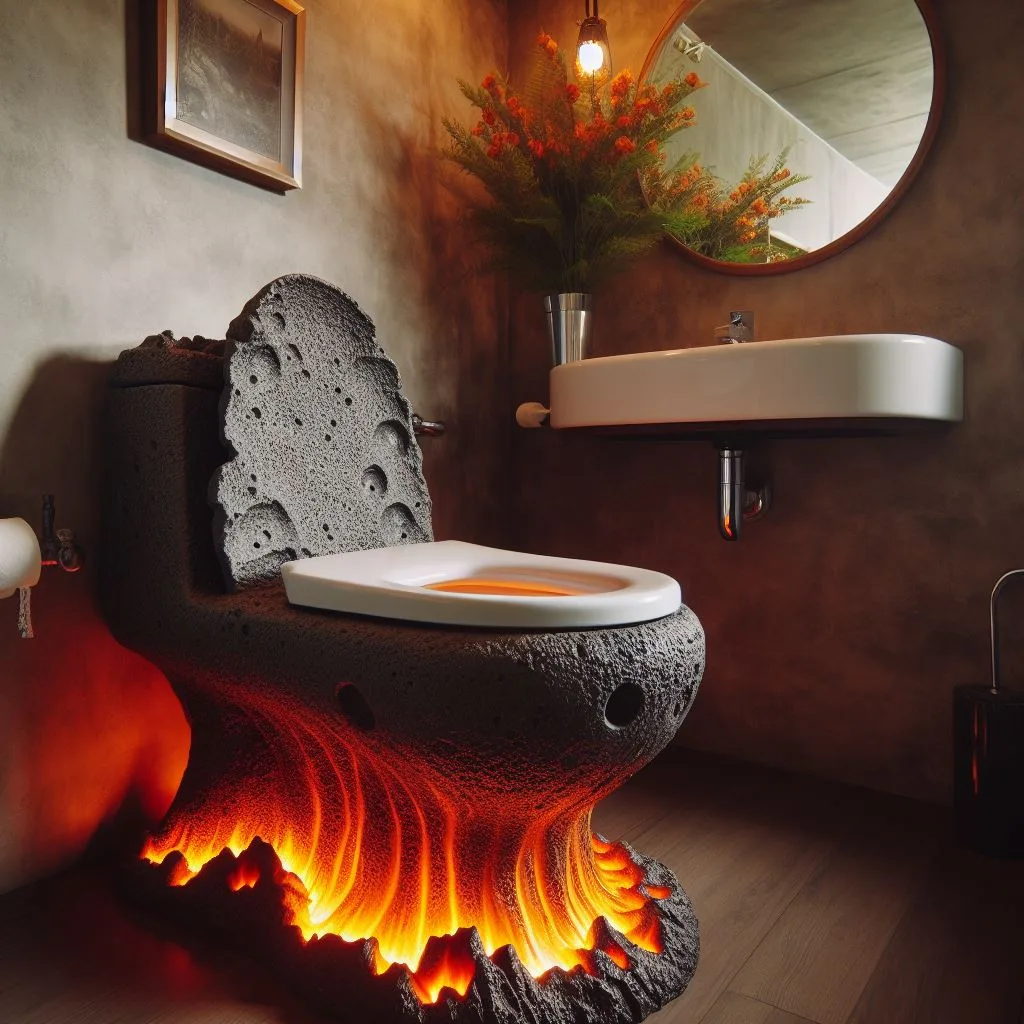
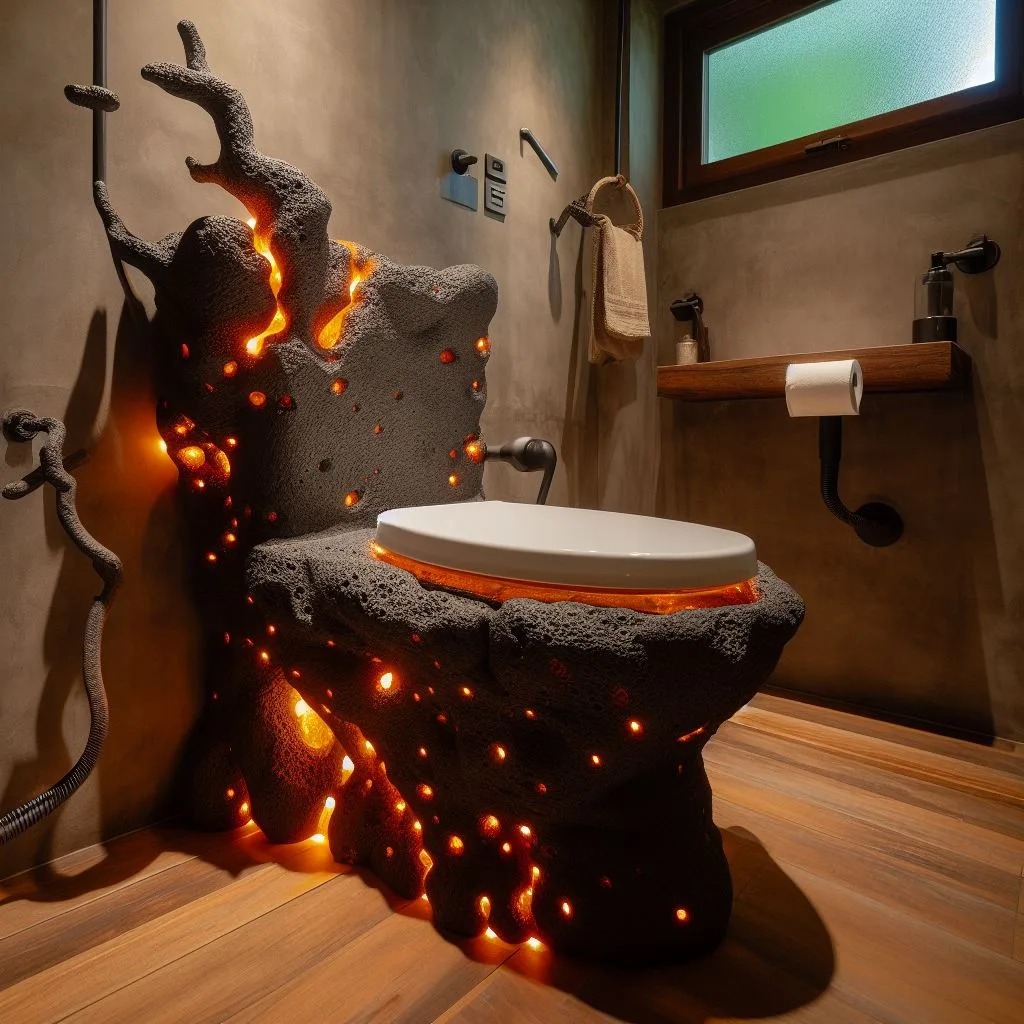
Before diving into usage instructions, it’s essential to understand what volcano toilets are and the science behind their design. These toilets are specialized waste management systems, often used in outdoor, emergency, or environmentally sensitive locations. Their name comes from the shape and structure that mimics volcanic formations—designed for efficient waste compartmentalization and composting.
Volcano toilets are typically eco-toilets, meaning they don’t rely on water for flushing but instead use natural processes or dry composting methods. Their structure usually involves a central chamber that acts like a “volcano crater,” collecting waste and facilitating composting or evaporation. Many models have ventilation systems to minimize odors, ensuring user comfort even in isolated settings.
The core operating principle hinges on separating liquid from solid waste, promoting aerobic decomposition, and preventing environmental contamination. This approach offers an advantage over traditional flushable toilets, especially in areas lacking infrastructure. Understanding these fundamentals is key to appreciating their suitability for sustainable waste management.
Design and Components of Volcano Toilets
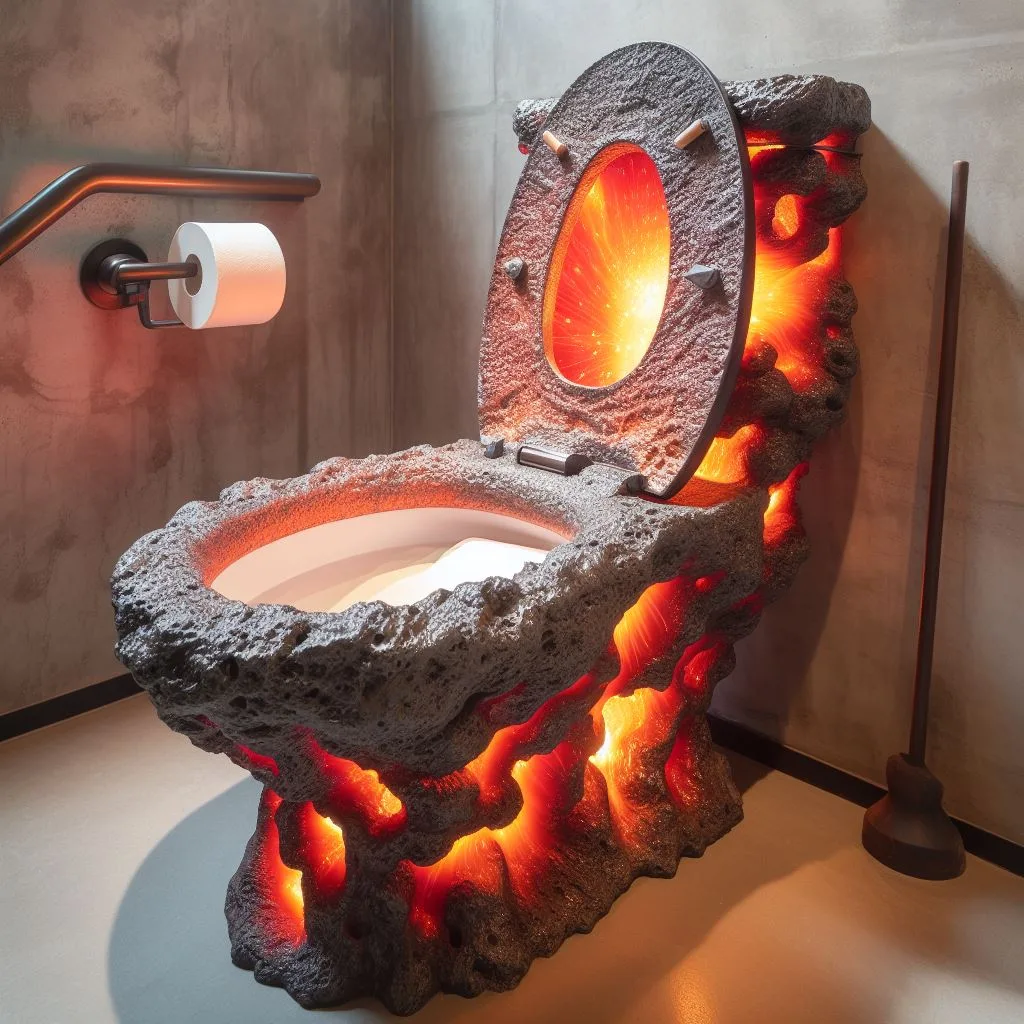
Volcano toilets incorporate specific structural features to maximize their effectiveness. The main body resembles a conical or crater-shaped chamber, often elevated to allow easy access and waste aeration. The top generally features a seat with a lid, designed for user comfort, and a ventilation pipe to facilitate airflow.
Inside, the system contains compartments or layers that facilitate composting or dehydration of waste. Some models utilize charcoal or other filtering materials to control odor and improve hygiene. A separating mechanism often ensures liquids drain away from solids, aiding the composting process and reducing weight.
External features such as vent pipes and solar-powered fans help maintain airflow, preventing odor build-up and attracting fewer pests. The design prioritizes ease of use, durability, and minimal maintenance, making volcano toilets suitable for diverse environments—from hiking trails to construction sites. Their bespoke structure makes them a sustainable alternative to conventional sanitation methods.
How to Use Volcano Toilets Correctly and Efficiently
Using volcano toilets properly is crucial to maximize their efficiency, hygiene, and lifespan. Given their unique design, they often differ from traditional toilets, requiring specific user practices. Learning how to operate them correctly ensures safe waste disposal, odor control, and environmental benefits.
Proper usage begins with understanding the seating and waste placement. Users should always use provided toilet paper or biodegradable alternatives, which can later be composted along with the waste. Maintaining cleanliness involves covering waste with a thin layer of composting material or sawdust, which helps control odors and facilitates decomposition.
Regular maintenance is essential for these systems. Once the waste reaches a designated level, it should be emptied or managed according to the manufacturer’s instructions. Some volcano toilets are designed for semi-permanent installation, meaning they can be relocated or refilled over time, while others are intended for long-term use in fixed locations.
Lastly, users should be aware of environmental considerations, such as avoiding the disposal of non-biodegradable materials or hazardous waste. Proper operation of volcano toilets not only enhances hygiene but also supports sustainability goals, making them a smarter alternative in eco-conscious settings.
Tips for Maintaining Volcano Toilets
Sustainable maintenance revolves around simple, consistent practices that prolong the lifespan of the toilet and reduce environmental impact. Regularly checking ventilation and ensuring it’s free of obstructions helps maintain odor control and airflow. Clearing out excess waste when necessary prevents overflows and hygiene issues.
Adding appropriate composting materials like sawdust, ash, or organic soil amendments is vital for odor absorption and accelerating waste breakdown. These materials also help manage moisture levels within the system—keeping waste dry or at the right consistency is essential for effective decomposition.
Cleaning the external parts of the volcano toilet with biodegradable disinfectants ensures hygiene for users and reduces pests. It’s advisable to schedule periodic inspections, especially in high-traffic settings, to address wear and tear or mechanical issues early. Proper maintenance not only sustains the functionality of volcano toilets but also reduces environmental footprint and operational costs.
Comparing Volcano Toilets with Traditional Sanitation Options
Understanding how volcano toilets stack up against traditional toilets is essential for decision-makers, environmentalists, and outdoor users. The comparison reveals strengths and limitations, facilitating informed choices about sanitation methods suited for specific contexts.
Traditional flush toilets are convenient but rely heavily on water supply and sewage infrastructure—something often unavailable in remote or eco-sensitive locations. Conversely, volcano toilets are waterless, eco-friendly, and designed for self-sufficiency, making them an optimal choice where water conservation is a priority.
While traditional toilets offer instant gratification and familiarity, volcano toilets excel in sustainability, odor management, and ease of deployment. They significantly reduce water use and eliminate the need for extensive sewage systems—saving costs and space. However, they may require more user education and regular maintenance, especially in high-traffic situations.
In terms of environmental impact, volcano toilets produce less wastewater, avoid pollution, and contribute to composting and recycling of human waste. For outdoor adventures, disaster relief, or eco-friendly facilities, volcano toilets provide a compelling alternative to conventional systems, aligning with global sustainability goals.
Advantages and Limitations
One of the standout advantages of volcano toilets is their minimal water requirement, drastically reducing strain on water resources. They are self-contained and portable, making them adaptable to various terrains and situations. Additionally, the composting potential turns waste into useful material, closing the eco-loop and minimizing waste disposal costs.
However, limitations include potential odor issues if not maintained properly, and the necessity for user adherence to correct usage protocols. They are not suitable for high-volume urban settings without significant infrastructure adaptations. Moreover, some models may require significant initial investment or specialized knowledge to operate efficiently.
Balancing these factors helps determine whether volcano toilets are the right solution, especially in environmentally conscious or resource-limited contexts. When properly managed, the benefits often outweigh the drawbacks, making them increasingly popular in sustainable sanitation discourse.
Practical Advice for Effective Volcano Toilet Implementation
Implementing volcano toilets efficiently requires strategic planning, training, and ongoing management. These systems are most effective when users understand how to operate and maintain them properly, ensuring longevity and optimal ecological benefits.
Start by selecting the right model suited to your needs—consider factors like capacity, size, portability, and environmental conditions. Engaging with manufacturers or experts can provide valuable insights into installation and maintenance best practices, tailored to your specific setting.
Training users is crucial—educate on correct waste disposal, use of composting materials, and signs of system overload or malfunction. Clear signage and instructional materials encourage proper use, especially in public or high-traffic locations.
Consistent maintenance schedules involve regular inspections, waste removal, and component checks (ventilation, seals, structural integrity). Developing a comprehensive plan ensures the system remains functional, hygienic, and eco-friendly over time. By prioritizing planning and education, volcano toilets can serve as a sustainable sanitation solution for years to come.
Volcano toilets represent a significant leap forward in sustainable, eco-friendly sanitation solutions. By understanding their design, function, and proper usage, users and managers can harness their full potential to reduce environmental impact while providing hygienic sanitation options. Compared to traditional systems, volcano toilets excel in water conservation, ease of deployment, and waste recycling—attributes vital for remote locations, outdoor activities, and eco-conscious initiatives. Through thoughtful implementation, regular maintenance, and user education, volcano toilets can become an integral part of global efforts to promote sustainable waste management and protect our planet’s resources.
Understanding Volcano Toilets
Volcano toilets are an innovative approach to human waste management, merging functionality with sustainable practices. Unlike conventional toilets that rely heavily on water and complex plumbing, volcano toilets utilize a composting mechanism to facilitate the breakdown of waste in a more environmentally-friendly manner. This technology is particularly advantageous in remote areas, disaster relief situations, and eco-conscious communities seeking to reduce their ecological footprint.
At their core, volcano toilets are decentralized and often designed to be waterless. This means they can operate effectively in locations where water supply is limited or non-existent. The basic principle behind these toilets involves a chamber where human waste is collected and combined with an organic material, such as sawdust or straw. This mixture undergoes aerobic decomposition, reducing pathogens and odors while transforming waste into nutrient-rich compost.
The appeal of volcano toilets goes beyond mere functionality; they represent a shift in how we understand sanitation in relation to the environment. With growing awareness about the global water crisis and the impact of waste on ecosystems, the adoption of such systems aligns with sustainable living practices. Therefore, understanding how to use and maintain volcano toilets is critical for individuals and communities looking to embrace this alternative sanitation method.
How to Use Volcano Toilets
Operating a volcano toilet may seem daunting initially, but with proper knowledge, anyone can effectively use one. The first step involves familiarizing oneself with the toilet’s components, particularly the collection chamber and the composting materials you will be using.
When using a volcano toilet, the core process starts with ensuring that the organic composting material is adequately stocked. After each use, a sufficient amount of sawdust or another compostable material should be added to cover the waste. This serves a dual purpose: it minimizes odors and helps in the decomposition process. It’s advisable to sprinkle the composting material generously, aiming to cover the waste thoroughly to enhance aeration and control smells.
After multiple uses, the waste begins accumulating in the container. Users must be vigilant about the fill level, as overflowing can lead to hygiene issues. Depending on the specific design of the volcano toilet, it may require manual emptying or composting at certain intervals. Learning to monitor the level of waste within the collection chamber is essential, as this ensures the toilet remains functional while maintaining health standards.
Examples of Volcano Toilets in Use
Several practical applications demonstrate the versatility and effectiveness of volcano toilets. One notable instance is their implementation in national parks and remote camping sites. These facilities allow outdoor enthusiasts to enjoy nature while minimizing their environmental impact, as traditional restroom facilities often place a strain on water systems and local ecosystems. By utilizing volcano toilets, park authorities can promote ecological responsibility in high-traffic areas.
In humanitarian efforts, volcano toilets have proven invaluable during disaster relief operations. When traditional sewage systems fail—such as in earthquakes, floods, or mass displacement—portable volcano toilets can be rapidly deployed to meet urgent sanitation needs, preventing potential outbreaks of diseases linked to poor hygiene. Their ability to transform waste into compost not only provides a temporary solution but also aids in soil restoration once the crisis abates.
Meanwhile, educational institutions that promote sustainability have also introduced volcano toilets to teach students about ecological responsibility. Schools can utilize these facilities for hands-on learning about waste management, composting, and the importance of conserving water. Such installations showcase the school’s commitment to decreasing its environmental impact, creating a learning atmosphere that encourages future generations to prioritize sustainability.
Benefits and Drawbacks of Volcano Toilets
Although volcano toilets offer numerous advantages, it’s essential to consider both their benefits and potential drawbacks. One of the most compelling reasons to adopt this toilet system is its minimal water usage. By eliminating the need for water in toilet function, these systems contribute significantly to conservation efforts, especially in areas suffering from drought or limited access to clean drinking water.
Another key benefit is the ease of installation and portability. Most volcano toilets are designed to be user-friendly and can either be set up permanently or relocated as needed. They are also compact, requiring less space than traditional sewage systems. Additionally, the potential for composting waste transforms what would be a sanitary issue into a resource for soil enrichment. This characteristic can be particularly valuable in agricultural contexts, where composted materials can enhance crop yields and soil health.
However, there are challenges associated with volcano toilets. One common concern is odor management; if not maintained properly, the toilets can emit unpleasant smells. Regularly covering waste with organic material and adhering to maintenance schedules can alleviate these issues, but they still require user diligence. Another potential drawback is the initial investment, as some models can be relatively expensive compared to traditional options. Furthermore, the success of these toilets relies on users understanding their operation and maintenance, which can be a barrier in certain settings.
Practical Advice for Effective Volcano Toilet Implementation
Implementing volcano toilets requires careful planning and adaptation to the specific context in which they will be used. First, assess the needs of the users and the environment. Choosing the right model depends on factors such as expected usage frequency, location, and the surrounding ecosystem. Engaging experts during this initial step can lead to a better understanding of what will work best for specific environments.
Once a volcano toilet is selected, it’s imperative to educate users on its operation. Providing clear instructions on proper usage, maintenance, and common pitfalls ensures that users feel empowered and knowledgeable. Visual aids, signage, and demonstrations can facilitate this education, particularly in public settings or community-based initiatives.
Furthermore, establishing a maintenance schedule is critical for the long-term success of volcano toilets. Regular checks should include inspecting for blockages, verifying airflow in ventilation systems, and monitoring the level of composting material. Users need to understand when and how to empty the chamber, as allowing waste to accumulate beyond capacity can lead to hygiene issues. By emphasizing the importance of consistent upkeep, users can ensure that volcano toilets remain hygienic, functional, and environmentally friendly.
Volcano toilets present an innovative and sustainable solution for managing human waste, providing environmental advantages over traditional sanitation systems. Their adaptability, minimal water requirements, and composting capabilities make them highly effective in diverse settings, from remote campsites to urban initiatives focused on sustainability. By comprehensively understanding their usage, embracing proper maintenance, and educating users, we can harness the full potential of volcano toilets, contributing to ongoing efforts to promote environmental responsibility and sustainable living. As awareness of climate-related issues grows, such alternatives are not just beneficial; they are becoming essential for shaping a sustainable future.