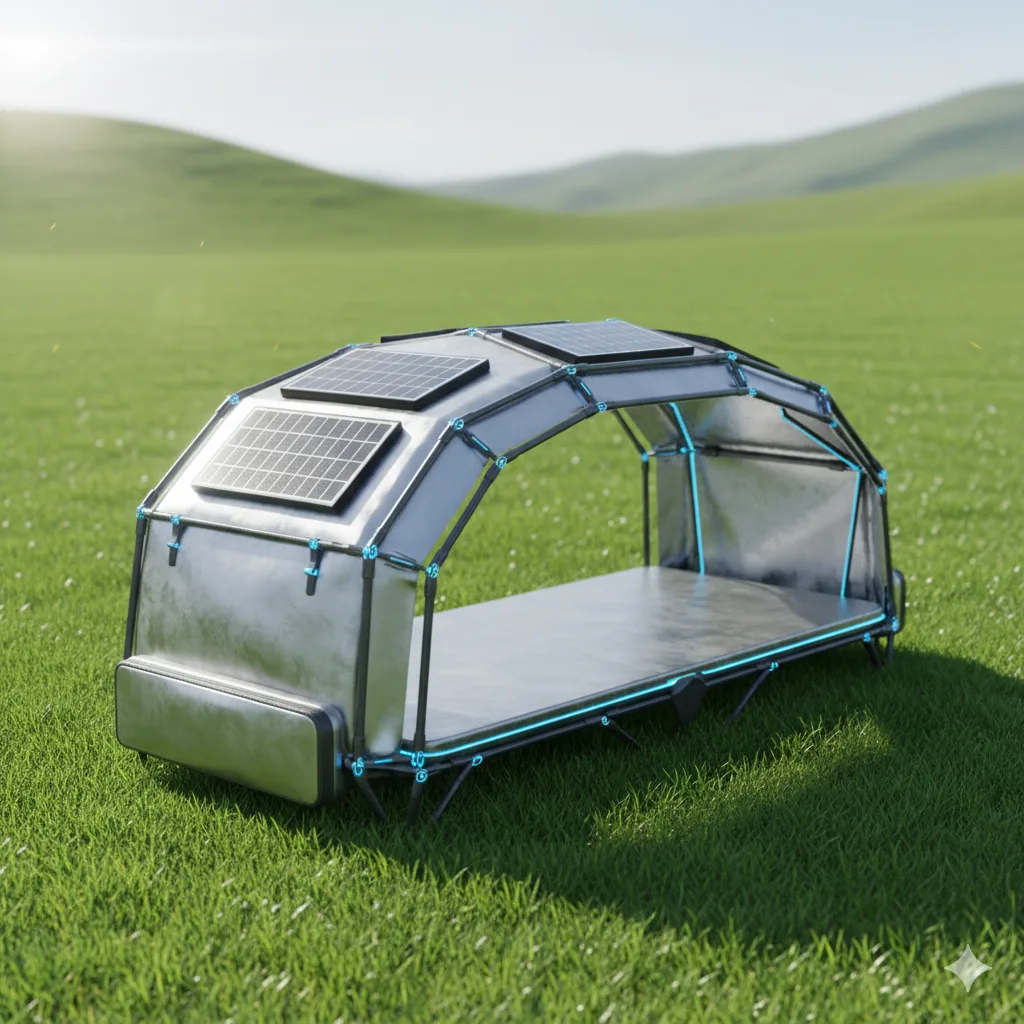
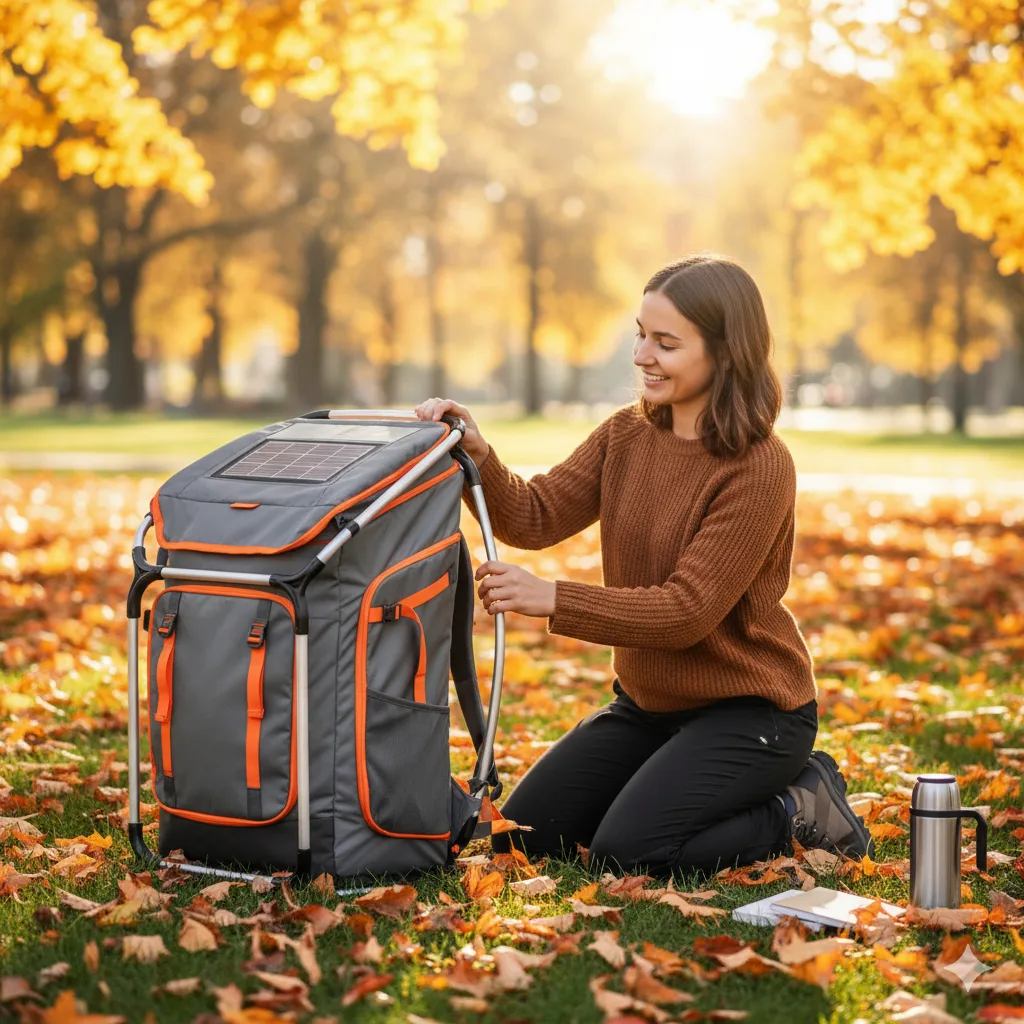
A backpack bed is transforming how adventurers, students, and travelers approach sleep on the go. Compact, versatile, and innovative, the backpack bed seamlessly combines the convenience of a backpack with the coziness of a bed, making it an essential gear for those on the move. Whether you’re camping in the wilderness, attending festivals, or need a quick rest during long commutes, this clever design offers unmatched portability and comfort. In this article, we’ll explore how to effectively use a backpack bed, compare different models, and provide valuable tips to maximize its benefits. Dive into the world of portable sleep technology and discover how a backpack bed can simplify your life.
Understanding What a Backpack Bed Is and Its Unique Features
A backpack bed is essentially a specially designed backpack that transforms into a comfortable sleeping surface. It usually features a fold-out mattress, integrated sleeping bag, or a cushioned mat, all packed neatly into a portable carrier. Its primary appeal lies in its ability to serve as both a storage unit and a restful haven, making it perfect for spontaneous naps, overnight camping, or emergency situations.
Before jumping into usage tips or comparisons, it’s important to understand what makes a backpack bed distinct. These products are engineered with the modern explorer in mind, blending practicality with comfort in a lightweight design. Most models incorporate durable materials suitable for outdoor conditions, and some even include additional features like waterproof covers, built-in pillows, or storage compartments for essentials.
When selecting a backpack bed, consider your specific needs—whether it’s weight, size, ease of setup, or additional functionalities. For travelers, a compact model with quick deployment is ideal, while outdoor enthusiasts might prefer a rugged, weather-resistant version. The versatility of the backpack bed makes it an indispensable item for anyone who values convenience without compromising on rest quality.
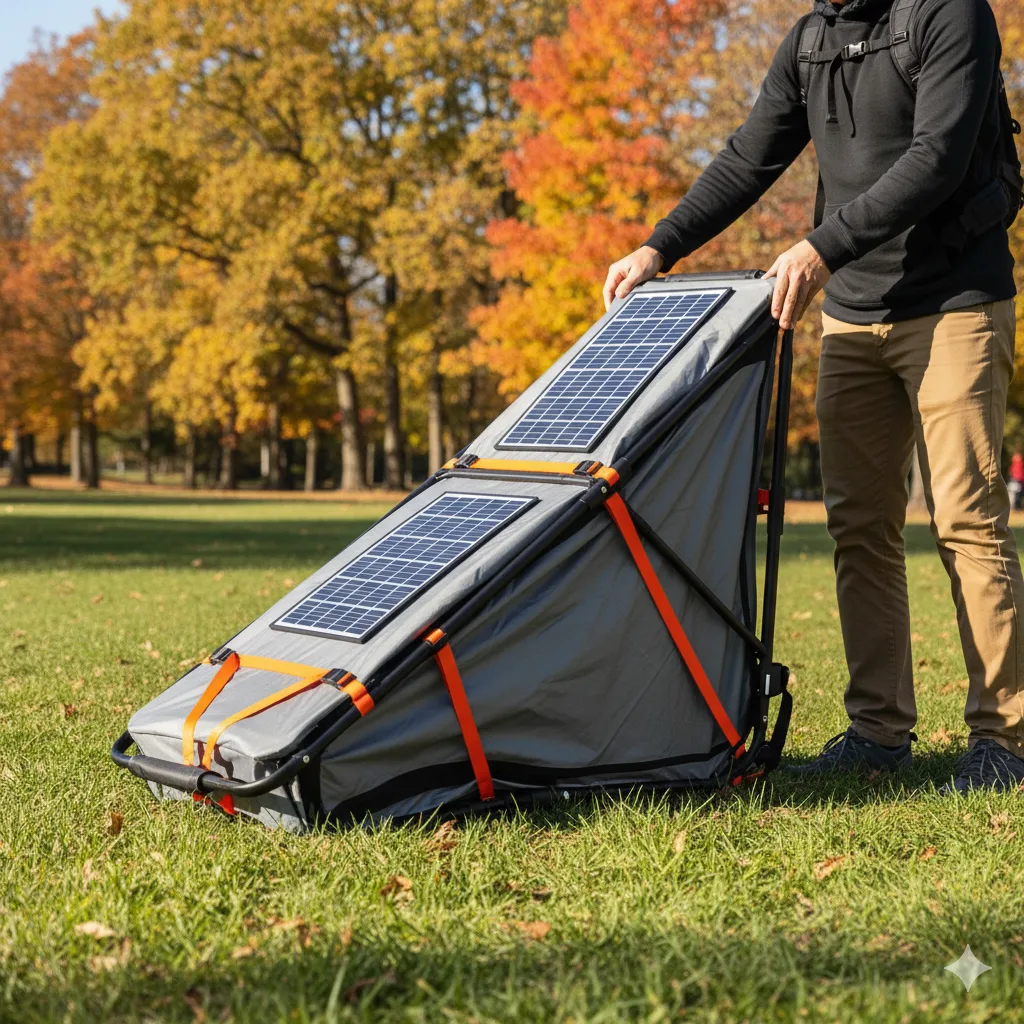
How to Choose the Right Backpack Bed for Your Needs
Choosing the perfect backpack bed involves assessing your typical use cases. For backpackers and hikers, weight and packability are critical. Look for models that balance comfort with minimal bulk, ensuring they won’t weigh you down during long treks. For urban travelers or students, bigger models with more padding and storage capacity might suit better.
Another essential factor is durability. Outdoor environments demand materials that withstand rain, dirt, and rough handling. High-denier nylon or polyester fabrics, along with reinforced stitching, are indicative of quality in a backpack bed. Comfort should never be sacrificed, so inspect the cushioning or sleeping surface—memory foam layers or inflatable mattresses can significantly enhance sleep quality.
Lastly, evaluate ease of use. A backpack bed that’s complicated to set up or pack away can diminish its value. Modular designs that unfold quickly or collapse into a compact form are preferable. Reading reviews and user feedback can provide insights into real-world functionality, helping you make a choice that aligns with your lifestyle and travel habits.
How to Use a Backpack Bed for Maximum Comfort and Convenience
Using a backpack bed might seem straightforward, but optimizing its setup and maintenance can significantly enhance your resting experience. The goal is to create a cozy, stable sleeping environment wherever you are—in the woods, at a campsite, or even in your dorm room.
To start, unpack the backpack bed carefully, spreading out the mattress or padding on a flat, clean surface. Ensure the fabric is free from debris or moisture before laying on it. Adjust straps or fastenings that secure the bed in backpack form, so the setup remains stable during use. Many models include adjustable components to customize the firmness or height, so experiment with these features to find your ideal sleeping position.
When it’s time to pack away, fold or roll the backpack bed according to the manufacturer’s instructions, making sure all parts are clean and dry. Proper storage prolongs the product’s lifespan and maintains hygiene standards. For outdoor use, consider adding an extra waterproof cover or sheet to protect against weather elements, especially if the backpack bed doesn’t already include weatherproof materials.
For added comfort, combine the backpack bed with portable accessories like a compact pillow, hydration system, or a sleep mask. These small adjustments turn a basic setup into a personal oasis, whether you’re camping under the stars or taking a quick power nap between activities. Learning to efficiently use your backpack bed is key—it’s about making sleep portable without sacrificing rest quality.
Tips for Maintaining and Extending the Life of Your Backpack Bed
Proper maintenance is crucial for ensuring your backpack bed remains functional and comfortable over time. Always clean the fabric regularly, following the manufacturer’s guidelines. Use gentle detergents and avoid harsh bleach or abrasive scrubbers, which can degrade waterproof or breathable membranes.
Store your backpack bed in a dry, cool place, ideally inside a dedicated storage bag or box to prevent dust and pests. During long-term storage, periodically air out the bed to prevent mold or mildew buildup, especially after outdoor use in humid conditions. If your model includes inflatable components, check for leaks and patch them promptly to maintain comfort and safety.
Inspect the straps, fasteners, and seams for wear and tear. Reinforce or repair any weak points before they become major issues. This proactive approach ensures the backpack bed remains reliable, especially when you rely on it for crucial rest during adventures. Investing in quality maintenance tools, like waterproof sprays or patch kits, can prolong the lifespan and maintain the aesthetic appeal of your device.
Comparing Different Types of Backpack Beds – Which Model Is Best for You?
The market offers a wide array of backpack beds, each tailored to specific needs—from ultra-lightweight models designed for backpackers to rugged, all-weather options for outdoor enthusiasts. Understanding the differences can help you pick the perfect fit for your lifestyle.
Lightweight and compact models prioritize portability, often featuring inflatable pads or minimalist foam layers. These are ideal for minimalist travelers who need quick setup and packability. On the other side, bulkier, more padded backpack beds provide enhanced comfort and insulation, suitable for camping in colder climates or for those who prefer a more luxurious sleep experience.
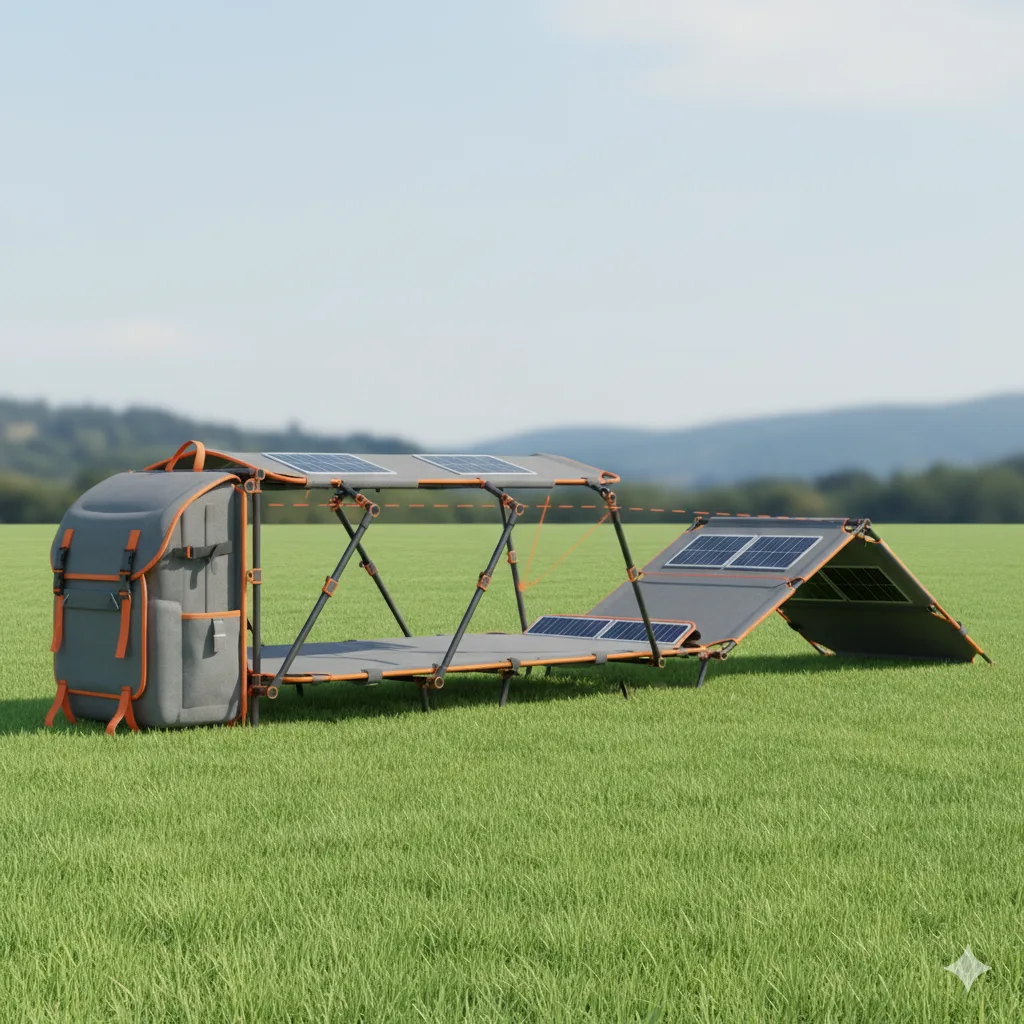
Some backpack beds incorporate innovative features, such as integrated storage compartments, built-in pillows, or modular designs that can transform into chairs or loungers. These multifunctional models serve dual purposes and maximize utility, especially when space and weight are limited.
When comparing, consider your priority—whether it’s weight, comfort, durability, or multi-functionality. Although more feature-rich models tend to cost more, they can significantly improve your outdoor experience. Ultimately, selecting the right backpack bed involves balancing your needs, budget, and the environments you frequent most.
Comparing Cost-Effective Options to Premium Backpack Beds
Budget-friendly backpack beds often provide basic functionality but may lack the advanced features of their premium counterparts. These models typically use simpler materials and fewer design innovations but can still offer adequate comfort and portability for casual outings or weekend trips.
Premium options, however, incorporate high-quality fabrics, thicker padding, and additional accessories, such as integrated storage or weatherproof covers. These models often boast better durability, longer lifespan, and superior comfort, making them a worthwhile investment for frequent travelers and outdoor enthusiasts.
Price differences also reflect the level of innovation, brand reputation, and materials used. While extra features may appeal to some, a basic backpack bed can suffice for occasional use, provided it meets your comfort and durability standards. Carefully evaluate your specific needs before investing in a high-end model, ensuring it provides the value and convenience you desire in your portable sleeping system.
Conclusion
A backpack bed embodies a perfect blend of convenience, comfort, and practicality, making it an indispensable gear for modern travelers, campers, and urban explorers. Understanding its features, proper usage, maintenance, and market options empowers users to select and maximize their backpack bed effectively. Whether you’re seeking a lightweight solution for backpacking or a durable, weather-resistant model for outdoor adventures, there’s a backpack bed designed to elevate your sleeping experience on the go. Embracing this innovative approach ensures your rest is never compromised—regardless of where your journey takes you.
Understanding the Design and Features of Backpack Beds
A well-designed backpack bed merges comfort, functionality, and portability, catering to individuals who require a reliable resting solution while on the move. With various models available, each comes equipped with essential features suited for different environments, whether it’s a serene camping trip, a rugged hiking expedition, or even a quick nap at a travel stop.
Backpack beds often feature lightweight, durable materials that enhance their portability. Many models use ripstop nylon or high-denier fabrics, which are both lightweight and resistant to abrasion. These materials ensure that the bed can withstand the rigors of travel while maintaining structural integrity. Moreover, waterproofing is increasingly common, allowing the user to rest without concern for morning dew or unexpected rain, thus elevating the outdoor sleeping experience.
Within the design, attention to user comfort plays a critical role. Many backpack beds come with padded or inflatable mattresses, offering varying degrees of firmness to suit individual preferences. Some beds even include built-in sleeping bags or blankets, leveraging insulation properties to enhance warmth during colder nights. Additional features might involve pockets for storage, allowing travelers to keep their essentials close without the need for a bulky bag.
Versatility and Adaptability Features
The versatility of a backpack bed can drastically improve the experience of users in various situations. For instance, many designs allow users to swiftly transition from a sleeping position to a seated configuration, making them practical for relaxation during day hikes or casual outings in nature. This adaptability leads to multifunctional use—users can lounge while cooking, chatting, or enjoying the surrounding scenery.
Moreover, some models incorporate reflective materials or bright colors for increased visibility, which enhances safety during nighttime or in low-light conditions. These thoughtful innovations can be lifesavers for adventurous souls, ensuring they remain seen when setting up camp or sleeping outdoors.
Another significant enhancement is the integration with portable accessories. Some backpack beds are designed with attachments or compatible sections for hammocks or tents, providing a customizable experience that suits the changing needs of the user. Such flexibility enhances the overall camping or traveling experience, particularly where different types of setups are required based on location.
Best Practices for Using a Backpack Bed
Using a backpack bed effectively is not just about deploying it but also involves understanding the nuances that lead to better sleep quality and overall functionality. Each situation might demand slight adjustments in how one approaches their setup and use.
First and foremost, choosing the right location is paramount. Look for a flat, dry area free from sharp objects or stones that could compromise comfort. Depending on the season, positioning the bed in a location with natural wind blocks—such as trees or rock formations—can mitigate exposure to cold winds and dampness. In addition, ensure adequate insulation from the ground to retain body heat. This attention to detail can significantly enhance rest quality during outdoor adventures.
When setting up a backpack bed, consider adding personal touches like a sleeping bag, an inflatable pillow, or even a sleeping pad for extra cushioning. Experimentation with these components can lead to finding the right balance between what’s portable and what provides restful sleep. It’s sometimes those added comforts that make spending a night in the wilderness more enjoyable and restorative.
Cleaning and care also play critical roles in optimal use. No one wants to rest on a dirty or damp surface, especially when on an outdoor trip. After each excursion, thoroughly clean and dry your backpack bed according to the manufacturer’s instructions. This ensures hygiene, prevents mold build-up, and maintains the integrity of the material, ultimately extending the bed’s lifespan.
Tips for Optimal Comfort While Using the Backpack Bed
Achieving maximum comfort while using a backpack bed can sometimes require additional simple enhancements to make your camping or travel experience exceptional. Even small adjustments can make a world of difference in achieving quality rest.
Consider investing in a packable mattress topper or a lightweight sleeping quilt. These additions can offer enhanced insulation and comfort, transforming a basic backpack bed into a cozy sleeping environment. Furthermore, utilizing a lightweight sheet can help maintain a hygienic barrier between your body and the surface—crucial when camping in less-than-pristine settings.
Additionally, for higher comfort levels during long rests, try using a sleep mask and earplugs to block out light and sound, respectively. This can significantly improve the quality of sleep, even in unfamiliar places filled with sounds and distractions.
To create a more personalized sleep environment, establish a bedtime routine that includes winding down or engaging in relaxing activities before sleep. Whether it’s reading a book, listening to calming music, or practicing mindfulness, these small rituals can help signal your body that it’s time to rest, even when surrounded by nature.
Understanding the multifaceted utility of a backpack bed significantly enhances the experience for campers, adventurers, and urban explorers alike. By recognizing its design features, versatility, and maintenance needs, users can make informed decisions that contribute to their comfort and convenience while using it. Through careful selection, practical usage, and proper care, this innovative product guarantees that rest remains accessible and enjoyable no matter where your adventures take you. The backpack bed exemplifies how portable sleep solutions can revolutionize the way we experience the outdoors and beyond, ensuring your journey is filled with both excitement and comfort.