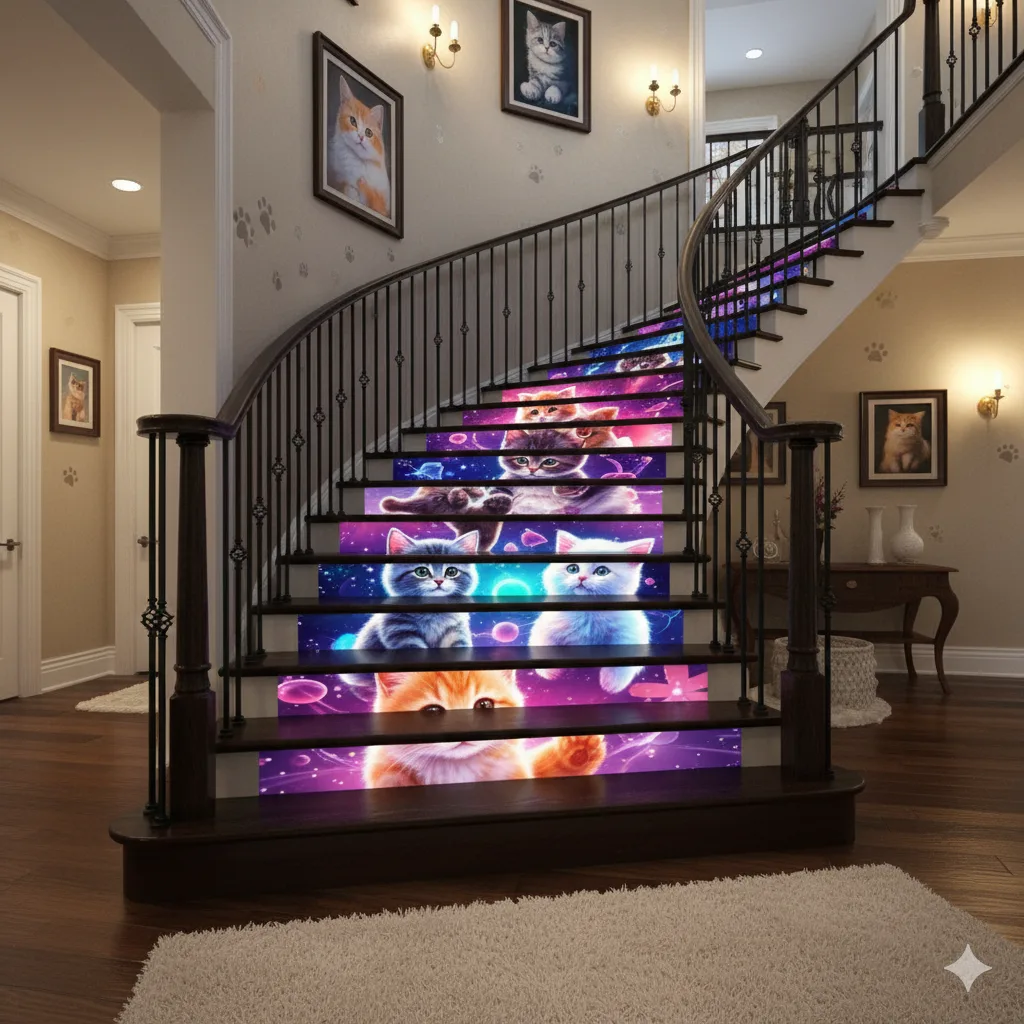
Cats are known for their agility, curiosity, and love for high vantage points. But as they age or if they have mobility issues, climbing to their favorite spots becomes a challenge. That’s where Cat Stairs come into play—a perfect solution to enhance your feline friend’s comfort and safety while enriching their environment. In this article, we will explore how to use Cat Stairs, compare different types, and offer expert advice to make the best choice for your pet.
Understanding the Importance of Cat Stairs in Modern Homes
Providing a safe and accessible way for cats to reach their favorite lounging spots is essential in promoting activity and independence. Cat Stairs are designed to bridge the height gaps in your home—be it a cozy bed, a windowsill, or a lofty cat tree.
Cats naturally love to observe from above, and having a designated set of stairs encourages them to do so without risk of injury. Moreover, for older or disabled cats, stairs offer essential support, preventing strain or falls that could lead to injury.
In today’s pet-centric households, implementing Cat Stairs isn’t just about convenience—it’s about improving the overall well-being of your furry companion. From injury prevention to mental stimulation, these steps serve multiple purposes that benefit both the pet and the owner.
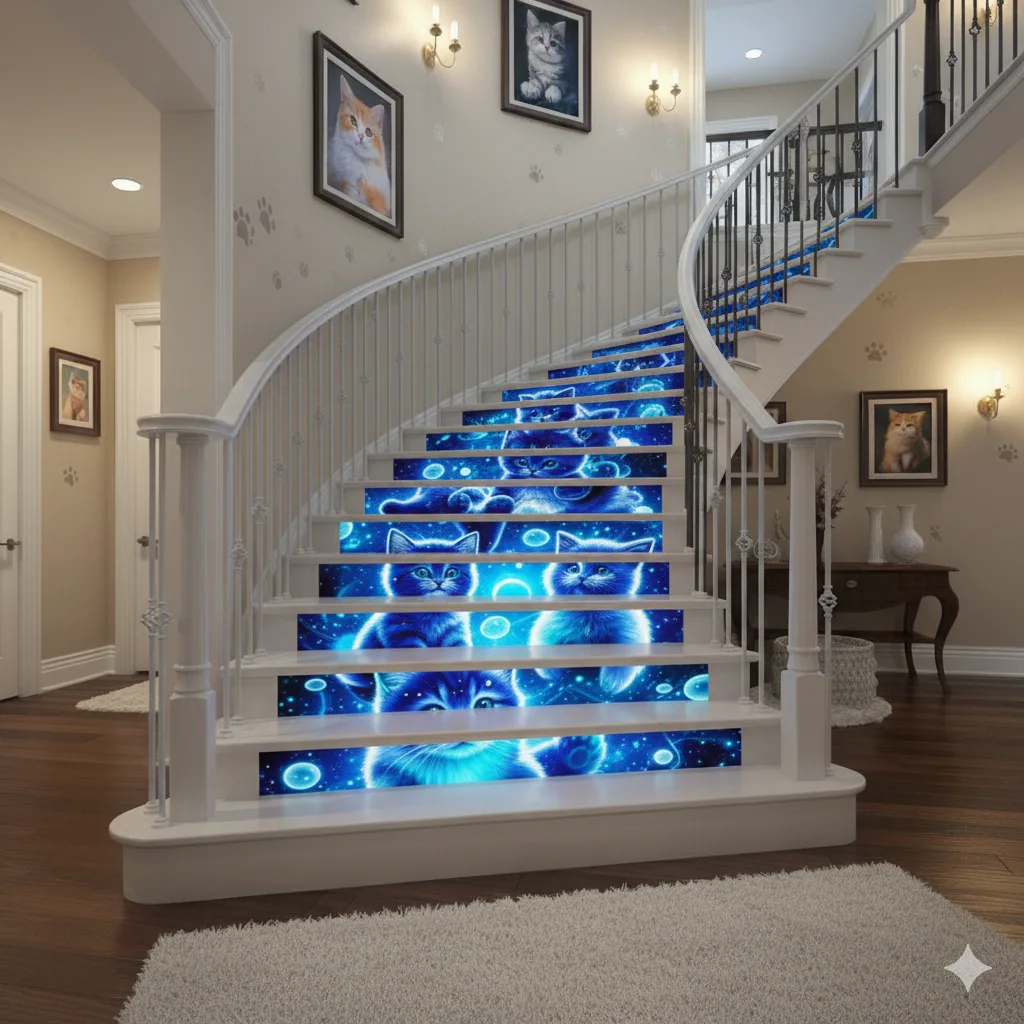
Different Types of Cat Stairs: Which One Fits Your Home?
The market offers a variety of Cat Stairs tailored to different needs and styles, making the selection process both exciting and complex. Whether you seek something that blends seamlessly with your décor or a sturdy, functional structure, understanding the options is crucial to making the best choice.
Material and Design Variations
The most common types of Cat Stairs come in wood, carpeted, plastic, or fabric-covered versions. Each material offers distinct advantages depending on your cat’s preferences and your home environment.
Wooden stairs are durable and often stylish, fitting well in modern or rustic décors. Carpeted stairs provide traction, preventing slips, and make climbing easier for older or arthritic cats. Plastic options are lightweight and easy to clean, ideal for apartments or temporary setups, while fabric-covered stairs offer cushioned comfort and a cozy feel for your pet.
Functional Versus Aesthetic-Centric Choices
Choosing between functional and aesthetically pleasing Cat Stairs depends on your priorities. Functionally, stairs should be sturdy, slip-resistant, and of appropriate height to ensure safety.
While aesthetics can enhance your home décor, do not compromise on safety and comfort. Some designs combine both, such as stylish wooden steps with carpeted treads. Remember, your cat’s safety and ease of use should always come first when selecting the right stairs.
How to Use Cat Stairs Effectively for Your Feline Friend
Incorporating Cat Stairs into your home requires strategic placement and a little bit of training. Proper use will ensure your cat benefits fully from this addition while avoiding potential accidents.
Begin by placing the stairs close to the target location—be it a window perch, bed, or sofa—so your cat perceives it as a natural extension. Ensure the stairs are on a stable, non-slip surface, and gradually encourage your cat to use them with treats or toys.
Patience is key; some cats may take time to adjust to new structures. Reward-based encouragement, combined with consistent placement, helps in creating a positive association with the stairs. Keep an eye on their behavior and make adjustments accordingly, like adding more traction or lowering the height if needed.
Training Your Cat to Use the Stairs
Training is essential, especially if your cat is hesitant or unfamiliar with the stairs. Use treats or favorite toys to motivate and guide them onto the steps, rewarding them once they ascend or descend successfully.
Repeated, gentle encouragement helps build confidence. For older cats or kittens, start with shorter distances and gradually increase the height to avoid discouragement or fatigue. Consistency and patience turn stairs into an enjoyable part of their routine, promoting physical activity and independence.
Maintenance and Safety Tips for Longevity
To ensure Cat Stairs serve your pet well over time, regular maintenance is necessary. Check for loose parts, worn-out padding, or any damage that might pose risks. Cleaning the stairs with pet-safe disinfectants maintains hygiene, especially if multiple cats use the structure.
It’s also advisable to position the stairs away from crowded or unstable areas for safety. If your cat is prone to jumping or knocking over simpler structures, opt for more heavy-duty and weighted options. Properly maintained stairs not only extend their lifespan but also keep your feline safe and comfortable.
Comparing Popular Materials and Styles of Cat Stairs
Choosing the right materials and styles can be daunting given the vast array of options. Each type offers unique advantages that cater to different needs, behaviors, and interiors.
Carpeted vs. Wooden Cat Stairs: Durability and Comfort
Carpeted stairs are universally loved for their traction and comfort. They mimic natural surfaces cats prefer for scratching and climbing, reducing slips and encouraging use. The plush surface also cushions their paws, making it easier for elderly cats to navigate.
Wooden stairs, on the other hand, are sleek and stylish. They often fit seamlessly into modern or minimalist décor, providing a more durable structure that can be customized with different finishes. However, they may lack the traction that carpeted steps provide, so adding a non-slip layer is often recommended.
Portable vs. Permanently Installed Stairs
Portability is an important factor when space or layout changes frequently. Lightweight plastic or fabric-covered Cat Stairs are easy to move and reposition, perfect for renters or dynamic households. Fixed structures like wooden stairs or built-in steps may require installation but offer greater stability and integration into your home design.
Permanently installed stairs tend to be safer for high-use scenarios, especially if multiple cats or older cats are involved. Conversely, portable stairs offer flexibility and convenience, which is beneficial in homes with diverse needs or temporary arrangements.
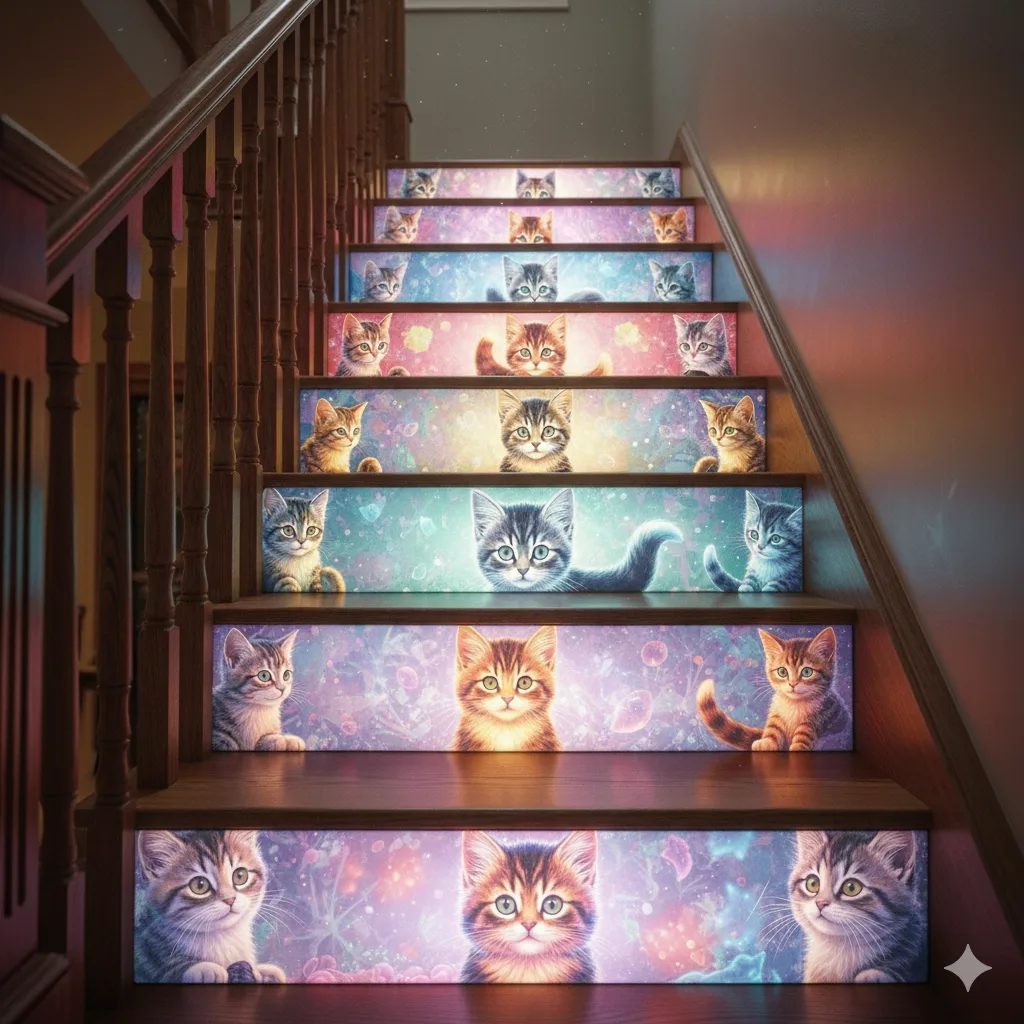
Comparing Cost-Effectiveness and Longevity
Budget considerations always influence purchase decisions. While budget-friendly plastic stairs are attractive, they might wear out more quickly under constant use. On the opposite end, high-quality wooden or carpeted stairs tend to last longer but come with higher initial costs.
Investing in durable materials, especially for homes with multiple or active cats, results in better long-term savings. Regular maintenance and choosing the most suitable material based on your cat’s preferences are key to maximizing the investment.
Expert Advice for Selecting and Using Cat Stairs
Choosing the perfect Cat Stairs involves understanding your cat’s unique needs, your living space, and your aesthetic preferences. Here are some tips from professionals to optimize their use.
Assessing Your Cat’s Size and Mobility Needs
Start by measuring your cat’s height from the floor to the top spot they need to reach. Pair this with their weight and mobility level to select stairs with appropriate step height and stability.
For larger or heavier cats, opt for sturdier, wider steps with reinforced structures. For older or arthritic cats, look for stairs with softer, textured surfaces and gentle inclines. Tailoring the stairs to your pet’s physical condition encourages use and prevents injuries.
Considering Your Home’s Design and Environment
Ensure that the Cat Stairs complement your home’s décor and fit seamlessly within the environment. Stylish wooden or fabric-covered stairs can serve as functional décor, adding charm without cluttering your space.
Pay attention to placement, avoiding high-traffic or unstable areas. Near windows for sunbathing and observation, or adjacent to beds and sofas, will make the stairs more inviting and natural for your cat.
Making the Transition Smooth and Safe
Introduce the stairs gradually to avoid stressing your cat. Use treats and positive reinforcement to build confidence so it regards the stairs as a safe, enjoyable feature. Always supervise initial use, especially with high or complex structures.
Ensuring that your Cat Stairs are clean, stable, and appropriately positioned minimizes accidents and encourages consistent use, helping your feline enjoy a safer, more stimulating environment.
Investing in quality Cat Stairs significantly enhances your cat’s quality of life by providing safer access to elevated spaces, promoting physical activity, and preventing injuries. By understanding the different types, materials, and usage tips, you can select the perfect stairs tailored to your pet’s needs and your home décor. Regular maintenance, patient training, and strategic placement are imperative for maximizing their benefits. With the right set of stairs, your feline friend will enjoy a more active, independent, and comfortable lifestyle, enriching both their day-to-day experiences and their overall health.
Benefits of Cat Stairs for Your Feline Friends
Having Cat Stairs in your home can greatly benefit your pet’s lifestyle and well-being. They provide not only functional assistance for climbing up and down elevated surfaces but also offer several other advantages that can improve your cat’s quality of life.
Promoting Physical Health and Activity
Cats often need physical stimulation to maintain their weight and overall health. Cat Stairs encourage them to exercise as they move between different levels. Climbing stairs helps strengthen their muscles and promotes good cardiovascular health, which is especially important as they age.
Moreover, by having access to high spaces, such as shelves or windowsills, cats can engage their natural behaviors of climbing, jumping, and observing their surroundings. This added activity helps reduce the risk of obesity, lethargy, and related health problems.
Enhancing Mental Stimulation and Independence
Stairs provide more than just physical exercise; they stimulate your cat’s mind. By navigating Cat Stairs, cats explore their environment in a new way, discovering new vantage points and sensory experiences. Such engagement can alleviate boredom and keep your feline friend active and curious.
In addition, having stairs allows cats, particularly those with limited mobility or aging cats who may struggle with jumping, to maintain their independence. They can access their favorite spots without constant assistance, promoting their comfort and confidence as they navigate their home.
Addressing Behavioral Issues
Understanding that cats are creatures of habit, the introduction of Cat Stairs can help curb undesirable behaviors. Cats may attempt to climb on furniture or counters out of a desire to look out the window or reach high spaces. By providing them a safer and designated route to their desired vantage points, stairs can divert them from engaging in unwanted behaviors.
Moreover, a structured pathway can contribute to reducing stress for both the cat and the owner, making homes more harmonious. When cats have their own spaces that they can readily access, they are less likely to feel anxious or frustrated.
How to Train Your Cat to Use Stairs
Introducing your feline friend to Cat Stairs may take some time, but with consistent training and a positive approach, you can help make the process enjoyable and stress-free for them.
Creating a Positive Association
Start by placing treats or a favorite toy on the steps to encourage exploration. Allow your cat to approach the stairs at their own pace. The key is to create a positive association, ensuring they feel secure rather than forced.
Once they show interest, praise them enthusiastically. Positive reinforcement plays a crucial role in establishing comfort around the stairs. Offer rewards not only when they reach the top but whenever they show even slight engagement with the stairs.
Gradual Introduction and Encouragement
It’s vital to introduce Cat Stairs gradually. Begin with short sessions, allowing your cat to familiarize itself with the structure before you encourage them to navigate it. As they grow more confident, gradually increase their exposure to the stairs until they can comfortably climb all the stairs.
If your cat struggles, adjust the spacing between stairs or choose a model with lower steps that cater specifically to their ability. Patience is crucial; some cats may take longer than others to adapt.
Monitoring Progress and Safety
Always supervise your cat during the training process, especially when they are first trying out the Cat Stairs. Check that the stairs are stable and free from obstructions to prevent accidents. If your cat appears anxious or hesitant, take a step back and revisit gentler methods of encouragement until they feel comfortable.
Once your cat is successfully using the stairs, continue monitoring their progress and reinforcement, ensuring they continue to associate the structure with positive experiences.
The Importance of Choosing the Right Cat Stairs
Selecting the right Cat Stairs for your pet is vital to ensure they derive maximum benefit from the experience. Different features and styles can make a significant difference in usability and overall satisfaction.
Evaluating Size and Height
Size and height should be carefully assessed based on your cat’s needs. For larger cats, wider platforms with higher weight capacities provide better stability. Smaller or lightweight cats may require shorter steps that match their physical reach.
In general, aim for proportions that allow for easy access to preferred spots. Climbing should feel effortless rather than hindered by overwhelming distances between steps, which can lead to frustration or avoidance.
Assessing Stability and Safety Features
The stability of Cat Stairs is crucial to prevent falls and accidents. Look for stairs made from durable, solid materials that can withstand your cat’s weight and energy.
Features such as non-slip surfaces or rubber grips can make stairs more secure, particularly for kittens or senior cats who may have limited mobility. Furthermore, corner reinforcement in staircase design increases safety and prevents wobbling. Ensuring stability means fewer worries about potential injuries.
Considering the Aesthetic Appeal
While functionality is key, the aesthetic appeal must not be overlooked. Many pet owners desire Cat Stairs that blend seamlessly with their home environment. Options range from basic to ornate, allowing customization to reflect personal style.
Whether tufted fabric, natural wood, or modern minimalist designs, choosing stairs that complement your home can turn a functional object into a stylish addition to your living space, showcasing love for your pet and enhancing your home decor.
Investing in quality Cat Stairs significantly enhances your cat’s quality of life by providing safer access to elevated spaces, promoting physical activity, and preventing injuries. By understanding the different types, materials, and usage tips, you can select the perfect stairs tailored to your pet’s needs and your home décor. Regular maintenance, patient training, and strategic placement are imperative for maximizing their benefits. With the right set of stairs, your feline friend will enjoy a more active, independent, and comfortable lifestyle, enriching both their day-to-day experiences and their overall health.